Many people try to lower humidity by overcooling their homes, thinking that cooler air holds less moisture. While this can cause condensation on surfaces and temporarily reduce humidity, it often backfires by promoting mold growth, dampness, and structural damage. Plus, excessive cooling wastes energy and makes you uncomfortable. If you want a healthier, more efficient solution, you’ll find smarter strategies that target moisture directly—keep going to discover what really works.

Get backup power and energy gear delivered free — and shop member deals
- Fast, free delivery on millions of items
- Access to Prime Big Deal Days deals on October 6–7
- Prime Video, Amazon Music and more included
Key Takeaways
- Overcooling reduces air’s humidity capacity but can cause condensation on cold surfaces, leading to mold and structural damage.
- Relying solely on cooling for humidity control increases energy costs and can worsen indoor moisture issues.
- Overcooling often results in discomfort and inconsistent indoor temperatures, compromising overall comfort.
- Effective humidity management involves dehumidifiers and ventilation, rather than just lowering temperature.
- Overcooling backfires when it traps moisture, promotes mold growth, and ignores more sustainable moisture control methods.
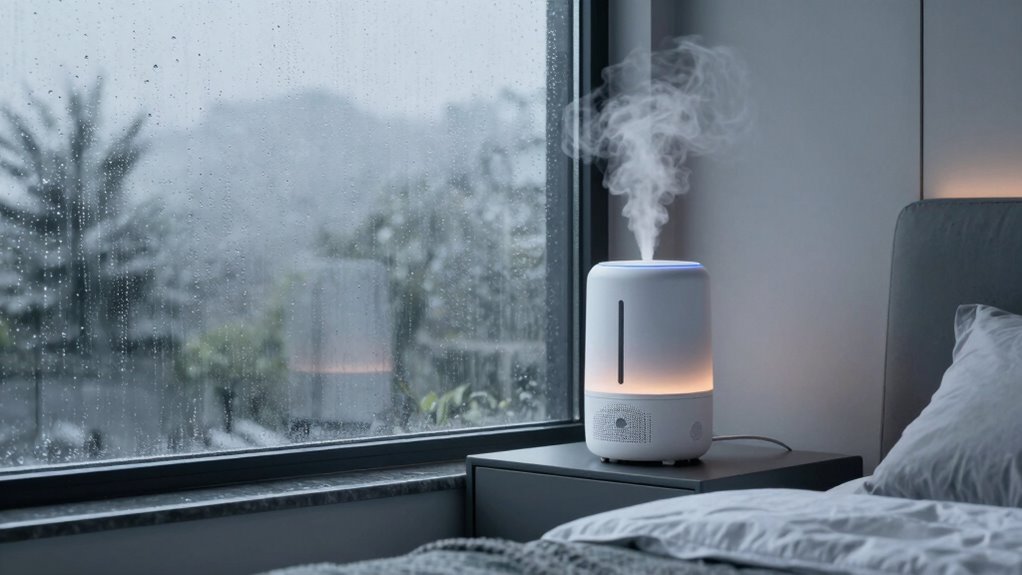
Have you ever wondered how to reduce indoor humidity quickly and effectively? Many people turn to overcooling as a quick fix, trusting that lowering the temperature will also cut down on moisture. This approach is rooted in simple humidity control principles: as air cools, its capacity to hold water decreases, so moisture condenses out of the air. You might crank up your air conditioner or set your thermostat lower, thinking that the cooler air will naturally absorb less humidity, or that the moisture will simply condense on cold surfaces and be removed from the space. These cooling strategies can seem straightforward and effective at first glance, especially during humid summer months when comfort is a concern.
Overcooling may reduce humidity temporarily but can cause condensation, mold, and higher energy bills.
However, overcooling for humidity control often backfires. When you lower the temperature too much, you risk creating a space that feels uncomfortable and damp rather than dry and cozy. Cold surfaces, including walls and windows, become perfect spots for condensation, which can lead to mold growth and structural damage over time. Instead of solving humidity problems, overcooling can exacerbate them, especially if your home isn’t well-ventilated or lacks proper insulation. This creates a cycle where you keep cooling in an attempt to dry out the air, but the moisture keeps coming back, making humidity control frustrating and ineffective. Proper humidity management involves understanding that controlling moisture levels directly is more effective than relying solely on temperature adjustments.
Furthermore, overcooling can cause you to waste energy and increase utility bills unnecessarily. Running your air conditioner at a lower temperature than needed consumes more power without delivering a proportional reduction in humidity. This is because humidity reduction isn’t solely about lowering temperature; it’s about controlling moisture levels directly. Relying only on cooling strategies ignores other effective methods like using dehumidifiers or improving ventilation, which are often more efficient and less energy-intensive. In fact, energy efficiency should be a key consideration when managing indoor humidity, as it helps reduce environmental impact and costs.
In addition, overcooling can make your indoor environment feel less comfortable overall. You might experience chills or discomfort, especially if the cooling isn’t well-managed. This discomfort can tempt you to keep adjusting the thermostat repeatedly, leading to inconsistent humidity levels and temperature fluctuations. It’s essential to understand that while cooling strategies are part of humidity control, they shouldn’t be the only method you rely on. Proper humidity management involves balancing cooling with dehumidification and good airflow, which together help create a healthier, more comfortable indoor environment. Additionally, using humidity control devices like dehumidifiers can target moisture directly, preventing the cycle of overcooling and humidity buildup. In the end, overcooling might seem like a quick solution, but it often results in more problems than it solves, making it a strategy best avoided or used carefully with other humidity control measures in place.
As an affiliate, we earn on qualifying purchases.
Frequently Asked Questions
Can Overcooling Harm My HVAC System?
Yes, overcooling can harm your HVAC system. When you keep your system at very low temperatures, it forces the unit to work harder, which can cause wear and tear over time. This can lead to increased energy bills and potential breakdowns. Proper HVAC maintenance helps prevent this. Additionally, overcooling can negatively impact indoor air quality, making your environment less healthy and comfortable.
How Much Should I Lower the Temperature?
Think of your HVAC like Goldilocks—find the temperature that’s just right. For humidity control and comfort, lower your thermostat gradually, aiming for around 78°F during the day and 68°F at night. Avoid overcooling, as it can strain your system and cause discomfort. Adjust the temperature in small increments, monitoring humidity and comfort levels, so you don’t make it too cold or inefficient—balance is key.
Does Overcooling Increase Energy Bills?
Yes, overcooling can increase your energy bills. When you set your thermostat too low, your HVAC system works harder to maintain that temperature, reducing energy efficiency. This also affects comfort optimization, as overcooling can lead to uneven temperatures and discomfort. To save money and improve comfort, aim for a moderate, consistent temperature that balances energy use with your preferred comfort level.
Is Overcooling Safe for Allergy Sufferers?
Overcooling can worsen allergy symptoms by decreasing air quality and increasing dust accumulation. For example, a person with allergies noticed more sneezing when their home was overly cooled, as cold air traps dust and allergens. Overcooling dries out nasal passages, making them more sensitive. If you’re allergy-prone, keep your thermostat moderate; this helps maintain better air quality and reduces dust buildup, easing your allergy symptoms.
How Quickly Does Overcooling Affect Humidity Levels?
Overcooling can rapidly lower humidity levels, often within an hour or two, causing noticeable fluctuations. As you cool the air, temperature moderation becomes tricky, and humidity drops quickly, leading to dryness. This swift change can make your environment uncomfortable and affect allergies. Keep in mind, consistent overcooling creates unstable humidity levels, so monitor your thermostat and humidifier to maintain a comfortable, balanced atmosphere.
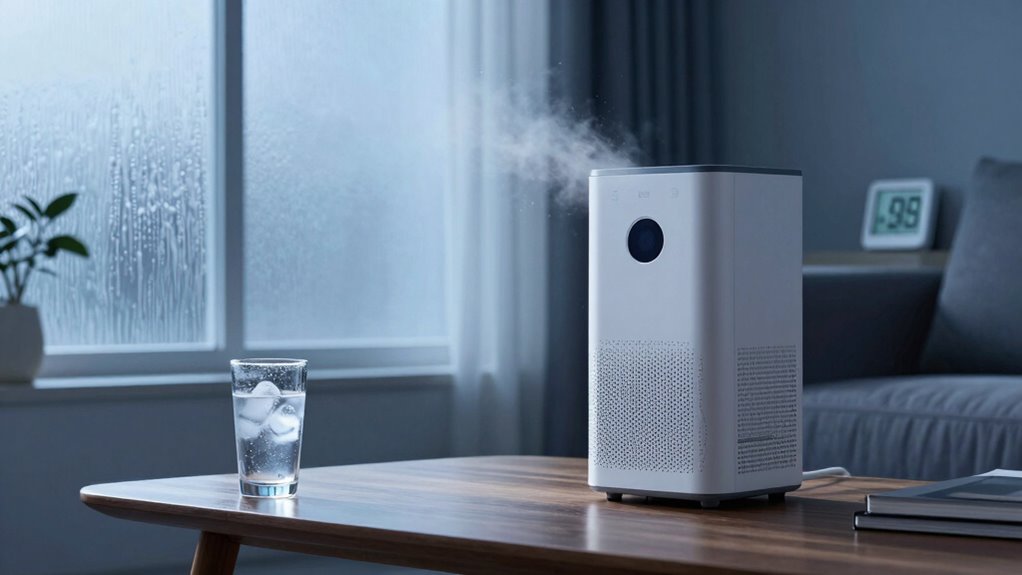
portable air purifier with humidity control
As an affiliate, we earn on qualifying purchases.
As an affiliate, we earn on qualifying purchases.
Conclusion
So, next time you think about overcooling to tame humidity, remember it’s a double-edged sword. While it might seem like a quick fix, it’s more like playing with fire—it can backfire and leave you with damp, uncomfortable spaces. Instead, try balancing your approach with proper ventilation and moisture control. Don’t let the overcooling trick turn your comfort into a lesson learned the hard way—stay vigilant, and keep your home in harmony.
ventilation fan for moisture reduction
As an affiliate, we earn on qualifying purchases.
As an affiliate, we earn on qualifying purchases.
As an affiliate, we earn on qualifying purchases.
Fall Picks
fall essentials
As an affiliate, we earn on qualifying purchases.