Upgrading your electrical panel can save you thousands by boosting efficiency and reducing energy bills over time. Modern panels handle more appliances without costly rewiring, lowering long-term expenses. They also improve safety, preventing costly repairs caused by outdated systems. Plus, staying compliant with current codes avoids penalties. If you want to see how these upgrades add up and protect your investments, there’s more to discover about the true savings you can achieve.
Key Takeaways
- Upgrading your panel increases electrical capacity, avoiding costly rewiring during future renovations or appliance additions.
- Modern panels reduce energy waste, lowering utility bills and delivering long-term savings.
- Safety upgrades prevent fire risks and costly repairs from outdated or faulty electrical systems.
- Complying with current codes avoids fines and expenses associated with code violations.
- Enhanced efficiency and safety features extend system lifespan, saving money on repairs and replacements over time.

Are you aware of how much you could save by upgrading your electrical panel? If your home still relies on an outdated or undersized panel, you might be missing out on significant savings and safety benefits. A proper panel upgrade can seem costly upfront, but when you perform a thorough cost benefit analysis, the long-term savings become clear. Upgrading your panel not only enhances your home’s electrical capacity but also reduces the risk of electrical failures, fires, or damage to your appliances. These safety improvements are essential, especially as homes become more electrified with new technology and appliances that demand higher power levels.
When contemplating an upgrade, you should weigh the initial expense against the potential savings. Modern panels are more efficient, reducing energy waste and lowering your utility bills over time. Additionally, a larger or more advanced panel allows you to add new circuits or appliances without the need for costly rewiring later. This flexibility can save you thousands down the line. A comprehensive cost benefit analysis helps you understand that while the upfront cost might seem high, the lifetime savings—through increased efficiency, fewer repairs, and enhanced safety—are well worth it. Upgrading your panel also aligns with electrical safety standards**, helping you stay compliant and protected. Understanding how electrical codes evolve can ensure your system remains safe and up to date. Furthermore, upgrading your panel can be part of a broader effort to incorporate sustainable and energy-efficient practices**, which can lead to additional long-term savings and environmental benefits.
Safety improvements are a key reason to consider upgrading your electrical panel. Older panels may not meet current safety standards or handle the electrical load required by today’s technology. This can lead to overheating, tripped breakers, or even dangerous fires. Upgrading reduces these risks, giving you peace of mind and protecting your family. Many older homes have panels with outdated safety features, such as insufficient grounding or inadequate circuit protection, which become even more dangerous as electrical demands grow. An upgraded panel improves safety by incorporating modern circuit breakers that detect faults faster, preventing potential disasters. Properly handling electrical faults is crucial for maintaining safety and preventing costly damage. Additionally, panel safety standards have evolved to better protect homeowners from electrical hazards.

Ultimate 48 Circuit Electrical Panel Labels Kit with Cleaning Cloth, Waterproof Vinyl Breaker Labels & Directory Sheet, Tear Resistant Strong Adhesive, Easy Read Icons (Colors*48 Circuits (15 Sheets))
Complete Kit for up to 48 Circuits – Directory sheet, numbered tabs (1–48) with extra blanks, round number…
As an affiliate, we earn on qualifying purchases.
As an affiliate, we earn on qualifying purchases.
Frequently Asked Questions
How Long Does a Panel Upgrade Typically Take?
A panel upgrade typically takes about 2 to 4 hours, depending on your home’s setup. During the process, the electrician assesses your current panel, obtains permits, and replaces the old unit with a new one. The upgrade process steps include turning off power, disconnecting the old panel, installing the new one, and testing. While panel upgrade costs vary, efficient planning can minimize downtime and guarantee a smooth, quick upgrade.
Are Panel Upgrades Covered by Home Insurance?
Insurance coverage for panel upgrades varies; some policies may cover upgrade costs if they’re necessary for safety or compliance reasons, but many don’t automatically include this expense. You should check with your home insurance provider to understand your coverage options. Keep in mind, if an upgrade is deemed a home improvement rather than a repair, you might need to pay out of pocket. Always confirm what’s included before scheduling the upgrade.
Can I Upgrade My Panel Myself?
You shouldn’t upgrade your panel yourself due to DIY safety risks and the importance of panel compatibility. Electrical work can be dangerous and requires specialized knowledge to prevent hazards. If your panel isn’t compatible with your home’s electrical system or code standards, an improper upgrade could cause serious issues. It’s best to hire a licensed electrician who understands proper procedures, guarantees safety, and assures your panel upgrade complies with local codes.
What Are Signs My Panel Needs an Upgrade?
You might notice flickering lights or frequent breaker trips—these signs your panel needs an upgrade. Coincidentally, ignoring these issues can compromise panel safety and lead to costly repairs. Upgrading your panel enhances safety, prevents electrical hazards, and supports future expansions. If your panel is outdated or overloaded, it’s time to think about an upgrade. Taking action now ensures peace of mind and long-term benefits for your home’s electrical system.
How Often Should Electrical Panels Be Inspected?
You should have your electrical panel inspected every 3 to 5 years to guarantee electrical code compliance and panel durability. Regular inspections help identify potential issues early, preventing hazards and costly repairs. If you notice frequent breaker trips or flickering lights, schedule an inspection sooner. Staying proactive keeps your electrical system safe, reliable, and compliant with current standards, saving you money and ensuring peace of mind.

MHS1-30T Fuse Protection 3P Non Fusing Heavy Safety Switch 250V/30A General Easy to Install Circuit Breaker Panel Safety Switch
Miniature Circuit Breakers
As an affiliate, we earn on qualifying purchases.
As an affiliate, we earn on qualifying purchases.
Conclusion
Upgrading your panel isn’t just a smart move for your home’s safety—it’s a surprising savings opportunity. When you realize that a simple upgrade could prevent costly repairs down the line, it feels like fate stepping in. This coincidence shows that taking action now can truly pay off later, saving you thousands and giving you peace of mind. Sometimes, the best decisions are the ones that seem to happen right when you need them most.

Square D – HOM1632L125PC Homeline 125-Amp 16-Space 32-Circuit Indoor Main Lugs Load Center with Cover, Plug-on Neutral Ready
Includes a fully distributed neutral bar, allowing for the installation of Homeline Plug-on Neutral combination arc fault breakers…
As an affiliate, we earn on qualifying purchases.
As an affiliate, we earn on qualifying purchases.
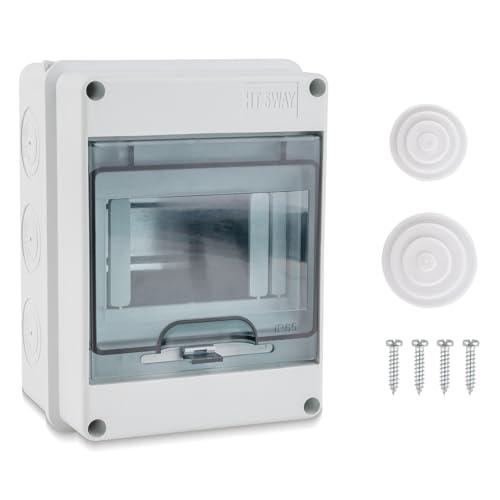
SYIZYEN 5 Way Circuit Breaker Box, IP65 Distribution Protection Box with Din Rail Abs Plastic Breaker Box Cover Miniature Electrical Breaker Box Enclosure for Indoor Outdoor Wall
CIRCUIT BREAKERS PROTECTION: IP65 rated din rail box can effectively block splash water, rain, dust, snow, oil, etc….
As an affiliate, we earn on qualifying purchases.
As an affiliate, we earn on qualifying purchases.