
If you’re considering a heat pump in a propane-heavy area, expect surprises beyond the initial price. Costs can skyrocket due to installation challenges, like upgrading ductwork or electrical systems, especially in colder climates. Your home’s insulation and air quality also impact efficiency and expenses. Often, folks overlook these factors, leading to higher long-term costs. Want to uncover what really influences your investment? Keep exploring to discover how to plan smarter and save more.
Listen free for 30 days with Audible
Thousands of audiobooks and originals — cancel anytime.
As an affiliate, we earn on qualifying purchases.
Key Takeaways
- Installation costs can be higher due to ductwork modifications and home preparation, especially in colder climates.
- Energy savings with heat pumps depend heavily on home insulation and climate suitability.
- Poor initial assessments may lead to unexpected expenses and reduced system efficiency.
- Indoor air quality and humidity management are crucial for system longevity and comfort.
- Long-term costs include maintenance, repairs, and potential upgrades driven by home-specific factors.
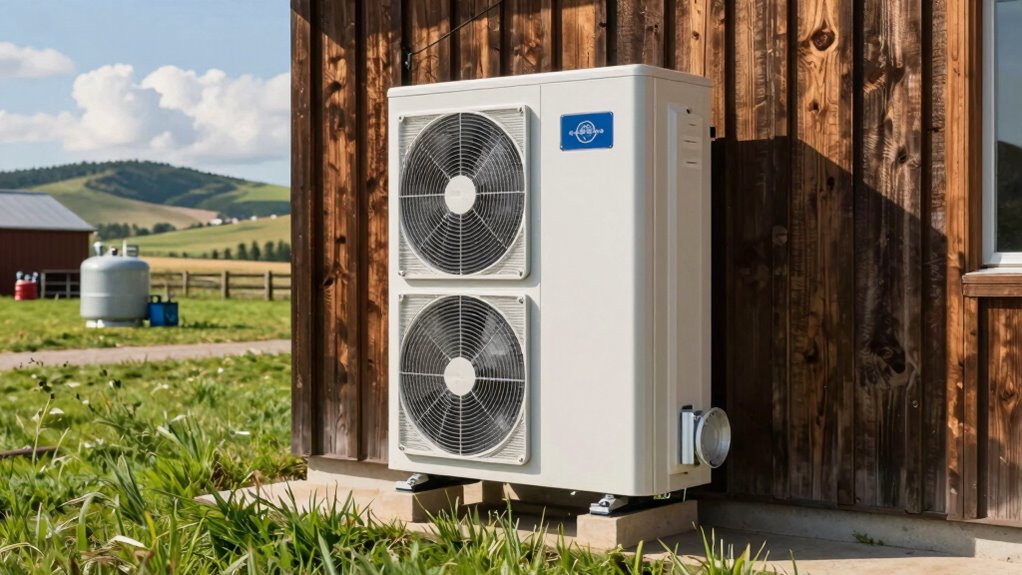
In propane country, heating costs can vary widely, making it crucial to understand the true expenses of installing a heat pump. Many people assume that switching to a heat pump always means lower bills, but that’s not entirely true. You need to take into account energy efficiency and the specific installation challenges that come with your location. While heat pumps are generally energy-efficient, their performance can be affected by your climate, the size of your home, and how well your existing ductwork is suited for this technology. If your home isn’t properly prepared, you might end up spending more on installation and repairs than you save on energy costs.
One thing nobody tells you upfront is that installation challenges can greatly influence your overall expenses. For example, in colder climates, standard heat pumps may struggle to provide enough heat, requiring you to opt for more advanced, expensive models. Additionally, if your home’s ductwork isn’t up to par or needs modifications, those costs can add up quickly. Sometimes, you’ll need to upgrade your electrical system or invest in additional insulation, which can be unexpected expenses that push the total cost higher than initially estimated. These challenges mean you should prepare for a potentially longer and more complex installation process, especially if your home isn’t already optimized for a heat pump.
Understanding the climate considerations that influence heat pump efficiency can help you better anticipate potential costs and performance issues. Climate plays a significant role in determining how well a heat pump will perform and how much it will cost to operate in your area. Energy efficiency is another critical factor that influences your decision. While heat pumps generally consume less energy than traditional propane or electric heating systems, their efficiency depends heavily on proper sizing and installation. A poorly matched system can lead to higher energy bills and increased wear and tear on the unit. If your home is very insulated and well-suited for heat pumps, you’ll likely see the benefits sooner. But if your home isn’t optimized, you might experience inconsistent heating, which can cause you to use your backup propane system more often, negating the cost savings.
Another often overlooked aspect is understanding indoor air quality and humidity, which can influence how well your heating system performs and how comfortable your home feels during colder months. Proper air quality management can also help extend the lifespan of your heat pump and reduce maintenance costs. Ultimately, understanding these hidden costs and challenges helps you make a smarter investment. It’s tempting to focus solely on the sticker price of a heat pump, but the true cost involves installation complexities, your home’s energy efficiency, and ongoing maintenance. Before making a decision, get detailed assessments from professionals who can evaluate your home’s unique needs. Doing so can save you from unexpected expenses and ensure you maximize your savings in the long run.
As an affiliate, we earn on qualifying purchases.
Frequently Asked Questions
Are There Tax Incentives for Installing Heat Pumps in Propane Regions?
Yes, there are tax incentives for installing heat pumps in propane regions, which can boost energy efficiency and reduce your overall costs. These incentives help offset installation challenges by making the upgrade more affordable. You should check local, state, or federal programs, as they often provide rebates or tax credits for energy-efficient upgrades. Act now to take advantage of these benefits and enjoy lower utility bills and improved comfort.
How Do Maintenance Costs Compare to Traditional Heating Systems?
Maintenance expenses for heat pumps are generally lower than traditional systems because they have fewer moving parts, reducing breakdown risks. You’ll find system reliability is quite high with proper upkeep, meaning fewer repairs and less downtime. Regular filter changes and annual check-ups keep the system running efficiently, saving you money over time. Overall, heat pumps tend to be more cost-effective regarding maintenance, providing consistent comfort without the hefty upkeep bills of conventional heating systems.
Can Heat Pumps Operate Efficiently During Propane Shortages?
Yes, heat pumps can operate efficiently during propane shortages, especially when paired with alternative energy sources like solar power. Their efficiency improves with technological advancements, making them a reliable option even in propane-restricted areas. You’ll benefit from lower energy costs and increased sustainability, as heat pumps use less electricity than traditional systems. This resilience makes them a smart choice for maintaining comfort and efficiency during propane supply disruptions.
What Is the Lifespan of a Typical Heat Pump in Propane Areas?
In propane areas, a typical heat pump lasts about 10 to 15 years, but heat pump longevity can be affected by propane climate effects. Extreme temperatures, humidity, and the need for frequent heating or cooling can wear down components faster. To maximize lifespan, regular maintenance and proper installation are essential. In propane climates, choosing a model designed for such conditions can help guarantee your heat pump performs efficiently for years.
Are There Financing Options Available for Heat Pump Purchases?
Think of financing options for your heat pump as a bridge to better comfort. You can find various financing plans tailored to make the switch easier, often through your utility provider or local lenders. These options cover the installation process and promote alternative energy use, making it more affordable to upgrade your system. Check with your installer or energy provider to explore plans that match your budget and help you enjoy energy savings sooner.
home ductwork upgrade for heat pump
As an affiliate, we earn on qualifying purchases.
As an affiliate, we earn on qualifying purchases.
Conclusion
While the upfront costs of installing a heat pump in propane country might seem intimidating, remember that the energy savings and environmental benefits can outweigh the initial expense over time. Don’t let the misconception that heat pumps aren’t suitable for propane-heavy areas hold you back—you’ll still enjoy efficient heating and cooling. Investing now means fewer worries about rising fuel costs and a greener home, making it a smart choice for long-term comfort and savings.
energy-efficient heat pump for cold climates
As an affiliate, we earn on qualifying purchases.
As an affiliate, we earn on qualifying purchases.
As an affiliate, we earn on qualifying purchases.
Flea & tick season Picks
flea and tick prevention
As an affiliate, we earn on qualifying purchases.