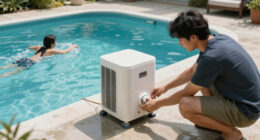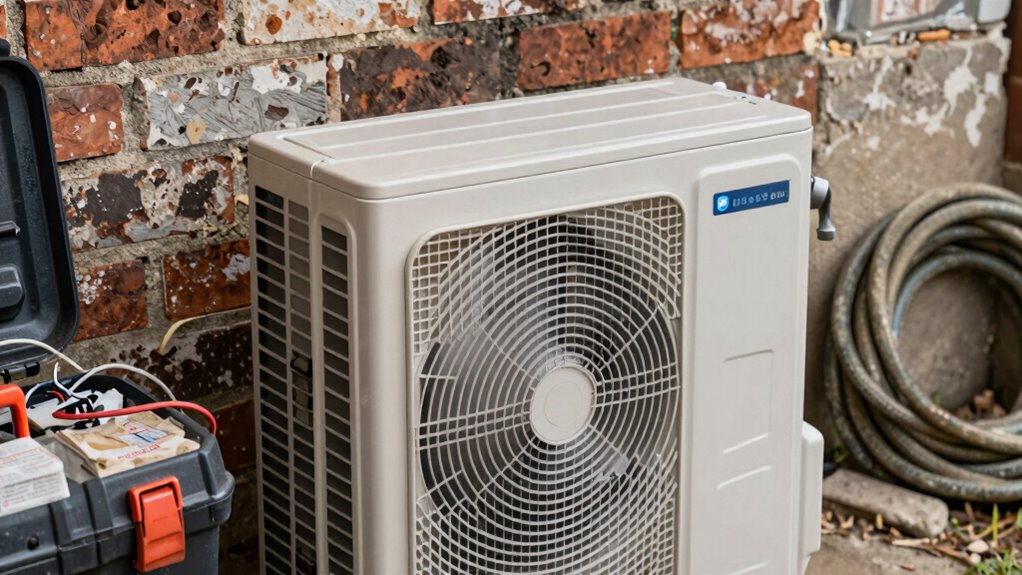

Choosing the cheapest heat pump installation may save you money upfront, but it can cost more in the long run. Lower-quality units or hasty installations often lead to higher energy bills, system inefficiencies, and potential repairs. Spending a bit more on a high-efficiency model and professional installation can save you money over time. Focusing on value rather than price guarantees better performance and durability—if you want to discover how to make smarter choices, keep exploring.

Get backup power and energy gear delivered free — and shop member deals
- Fast, free delivery on millions of items
- Access to Prime Big Deal Days deals on October 6–7
- Prime Video, Amazon Music and more included
Key Takeaways
- Initial low-cost installations may lead to higher energy bills and maintenance costs over time.
- Higher upfront prices for efficient units can save money through lower utility bills long-term.
- Professional installation with warranties ensures system performance and prevents costly future repairs.
- Properly installed, high-quality systems last longer and operate more efficiently than cheaper, hastily done setups.
- Balancing purchase price, energy savings, and warranty coverage offers better overall value than choosing the cheapest option.
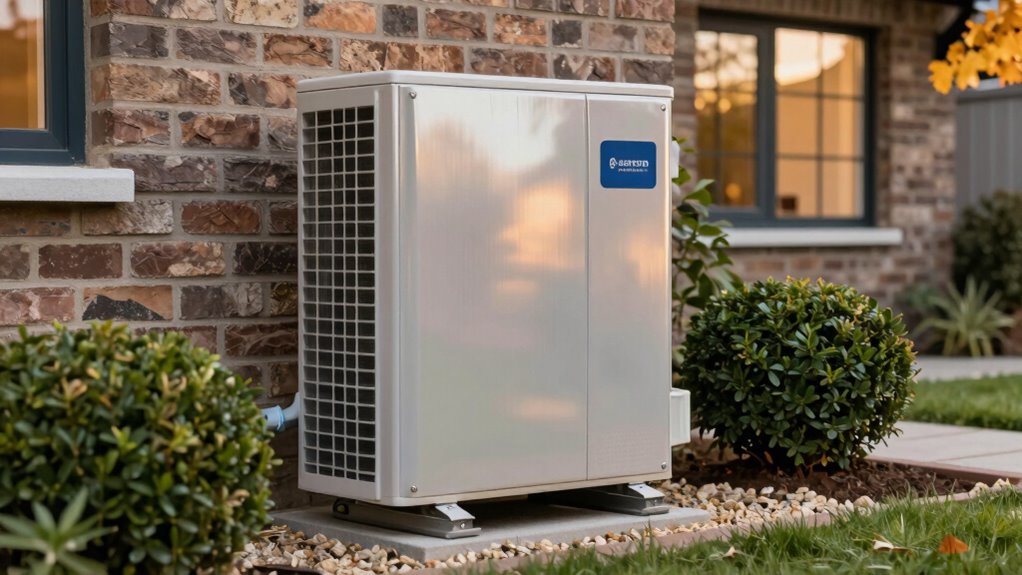
Are you looking for the most affordable way to heat and cool your home? If so, you might assume that the cheapest heat pump installation is always the best choice. But that’s not necessarily true. While initial costs matter, other factors like energy efficiency and installation warranties play a vital role in making a smart investment. A lower upfront price may seem appealing, but it can lead to higher energy bills down the line or costly repairs if the installation isn’t done properly.
Energy efficiency is a key consideration when choosing a heat pump. A more efficient model might cost more initially, but it can save you significant money over its lifespan by reducing energy consumption. When evaluating options, look beyond just the sticker price and consider the SEER (Seasonal Energy Efficiency Ratio) and HSPF (Heating Seasonal Performance Factor) ratings. Higher ratings mean the system uses less energy to heat or cool your home, translating into lower utility bills and a smaller environmental impact. Sometimes, a slightly more expensive unit can pay for itself quickly through these savings, making it a smarter overall choice.
Installation warranties are just as important as the product itself. A reputable installer will offer warranties that protect you against unexpected issues that might arise after installation. These warranties can cover parts, labor, or both, giving you peace of mind and saving you money if repairs are needed later. Opting for the lowest-cost installer without considering their warranty coverage could leave you vulnerable to costly repairs or replacements that aren’t covered. It’s worth investing in a professional with a solid reputation, proper licensing, and thorough warranty options.
You should also factor in the quality of the installation. A cheap, hurried job can cause issues like improper system performance, higher energy bills, or even early system failure. Proper installation ensures your heat pump operates at peak efficiency and longevity, which ultimately saves you money. Additionally, professional installation can prevent costly mistakes and ensure the system is correctly integrated with your home’s existing infrastructure. Recognizing the importance of system performance can help you avoid the pitfalls of a subpar setup. It’s not just about finding the lowest price but about choosing a balanced solution that considers long-term savings, reliability, and quality. Moreover, understanding the nail biology and how nails grow and change with age can serve as an analogy for appreciating the importance of quality and proper care in your home systems. A well-installed system also benefits from proper maintenance, which can extend its lifespan and efficiency over time.
In the end, the cheapest heat pump install isn’t always the lowest-cost option when you factor in energy efficiency and warranties. Sometimes, spending a little more upfront on a high-quality, efficient unit with a reliable installation can pay off in savings, comfort, and peace of mind for years to come.
As an affiliate, we earn on qualifying purchases.
Frequently Asked Questions
How Long Does a Typical Heat Pump Installation Take?
A typical heat pump installation usually takes about one to three days, depending on your home’s setup. You might face installation challenges like limited space or existing ductwork, which can extend the timeline. It’s crucial to plan for these potential issues, as they can impact the overall installation time. Being prepared and choosing experienced installers helps guarantee a smoother process and a quicker shift to efficient heating and cooling.
Are There Any Government Incentives for Heat Pump Installations?
Yes, you can get government rebates and tax credits for heat pump installations. Many local, state,, and federal programs aim to promote energy efficiency, reducing your upfront costs. You should check if your area offers incentives like rebates or tax credits, which can markedly lower your expenses. Applying for these benefits typically involves submitting proof of purchase and installation, so be sure to keep all receipts and documentation handy.
What Maintenance Is Required After Installing a Heat Pump?
Think of your heat pump as a well-tuned instrument that needs regular care. You should change filters monthly, check for ice buildup, and guarantee the outdoor unit stays clear of debris. Scheduled professional inspections help prevent issues, maximize energy savings, and extend system longevity. Keeping your system in top shape ensures it runs smoothly, saving you money in the long run, and keeps your home comfortable year-round.
Can a Heat Pump Effectively Heat My Entire Home?
Yes, a heat pump can effectively heat your entire home if it’s properly installed with adequate heat distribution and zoning considerations. You’ll want to guarantee the system is appropriately sized and that your home’s layout allows for even heat spread. Zoning helps target specific areas, improving efficiency and comfort. Proper installation and planning are key to maximizing the heat pump’s ability to warm your whole home efficiently.
How Does Insulation Impact Heat Pump Efficiency?
Insulation effectiveness and air sealing considerably impact your heat pump’s efficiency. When your home is well-insulated, it retains heat better, reducing the workload on your heat pump. Proper air sealing prevents drafts and heat loss, ensuring consistent indoor temperatures. Together, these improvements help your heat pump operate more efficiently, lowering energy bills and extending its lifespan. Investing in insulation and air sealing offers better long-term savings than just choosing the cheapest installation.
As an affiliate, we earn on qualifying purchases.
Conclusion
Remember, the cheapest heat pump install might save you money upfront, but it may not save you in the long run. Don’t just choose based on initial costs—consider efficiency, longevity, and installation quality. Weigh the upfront price against the ongoing savings and maintenance. Because, in the end, a well-chosen heat pump offers comfort, durability, and value—more than just a low price. Choose wisely, invest smartly, and enjoy the warmth for years to come.
As an affiliate, we earn on qualifying purchases.
professional heat pump installation
As an affiliate, we earn on qualifying purchases.
As an affiliate, we earn on qualifying purchases.
Halloween Picks
halloween
As an affiliate, we earn on qualifying purchases.