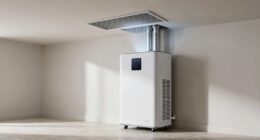
Your heat pump’s energy use in multi-family buildings depends on proper sizing, regular maintenance, and smart controls. Ensuring your system isn’t over- or under-sized avoids unnecessary energy waste, while routine upkeep keeps it running efficiently. Using smart thermostats and monitoring tools helps you track and optimize your energy consumption. Taking these steps can appreciably lower costs and extend the lifespan of your system. Keep going to discover more ways to maximize your heat pump’s efficiency.
Key Takeaways
- Proper system sizing and zoning optimize heat pump efficiency, reducing energy consumption in multi-family buildings.
- Regular maintenance, including filter cleaning and duct inspection, ensures optimal performance and minimizes energy waste.
- Smart controls and energy monitoring help detect inefficiencies early and allow adjustments to reduce overall power use.
- Correct installation by professionals guarantees appropriate sizing, preventing excessive cycling or insufficient heating/cooling.
- Long-term benefits include lower energy bills and extended system lifespan through high-quality equipment and proactive maintenance.
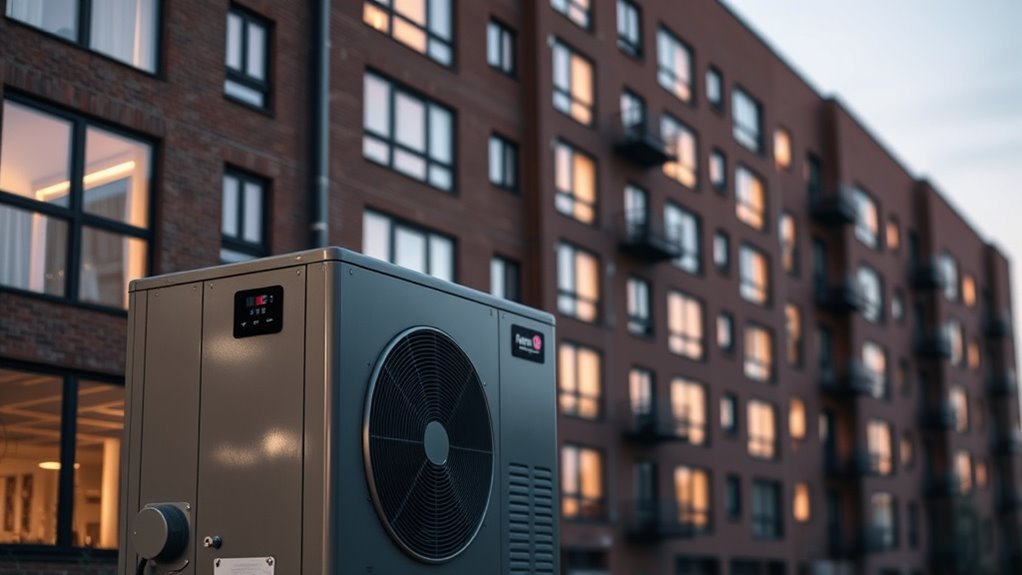
Have you ever wondered how much energy a heat pump uses to keep your home comfortable? If you’re managing a multi-family building, understanding this can help you make smarter decisions about energy efficiency and costs. Heat pumps are known for their efficiency, but their energy consumption can still add up, especially if you’re not paying attention to certain factors. To keep your building energy use in check, it’s important to implement cost-saving strategies that maximize your heat pump’s performance. These include proper sizing, zoning, and setting appropriate thermostats. Over-sizing or under-sizing units can lead to unnecessary energy consumption, so consulting with professionals during installation is essential. Additionally, zoning allows you to control heating and cooling in different parts of the building based on occupancy and needs, reducing waste. Setting thermostats to ideal temperatures—not too high in winter or too low in summer—also helps you save on energy bills.
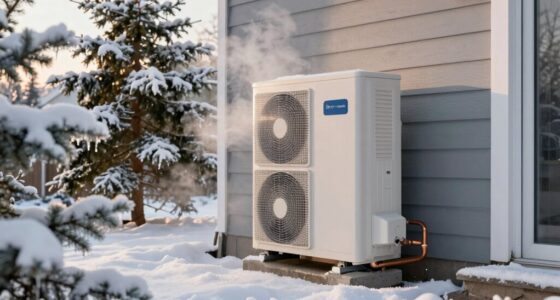
Maintenance considerations are equally critical in managing heat pump energy consumption. Regular upkeep ensures your system runs efficiently and uses less power. Simple tasks like cleaning or replacing filters, inspecting ducts, and clearing debris around outdoor units can greatly improve performance. Neglecting routine maintenance can cause your heat pump to work harder, consuming more energy and increasing your costs over time. It’s also wise to schedule annual professional check-ups to catch potential issues early, such as refrigerant leaks or coil fouling, which can hinder efficiency. When your system operates smoothly, it uses less energy, reducing your overall costs. Moreover, understanding the importance of correct system sizing can prevent overworking your heat pump and ensure optimal efficiency proper sizing.
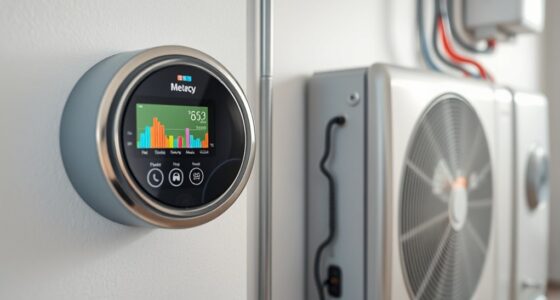
Another key maintenance consideration is monitoring your system’s performance. Many modern heat pumps come with smart controls or energy monitoring tools that allow you to track consumption and identify inefficiencies. Using these resources helps you adjust settings proactively and spot problems before they escalate into costly repairs or higher energy bills. Combining these maintenance practices with cost-saving strategies ensures your heat pump operates at peak efficiency, which benefits your bottom line. Furthermore, investing in high-quality, energy-efficient models can pay off in the long run by lowering your energy consumption and maintenance needs.

PelPro PP150 Pellet Stove for Home Heating - 150 lb Hopper, 49,200 BTU Heats up to 2,500 Sq. Ft., Easy-Dial Temp Control, Built-in Thermostat with Auto-Ignition, Powerful & Quiet 265CFM Blower
PP150 pellet stoves for fireplaces are efficient for home heating up to 2,500 sq. ft. at almost 50,000...
As an affiliate, we earn on qualifying purchases.
Frequently Asked Questions
How Does Building Size Affect Heat Pump Energy Efficiency?
Building size impacts heat pump efficiency because larger buildings often need better insulation and thermal zoning to maintain energy savings. When your building is well insulated, it reduces heat loss, making the heat pump work less. Thermal zoning allows you to control temperatures in different areas, saving energy. So, if your building is bigger, focus on improving insulation and zoning to guarantee ideal heat pump performance and efficiency.
What Maintenance Reduces Heat Pump Energy Consumption in Multi-Family Buildings?
To reduce heat pump energy consumption, you should regularly check and clean filters to maintain high filtering efficiencies, which guarantees ideal airflow and efficiency. Additionally, refrigerant management is vital; make sure there are no leaks and the refrigerant levels are appropriate. Proper maintenance keeps the system running smoothly, reduces energy use, and extends the lifespan of your heat pump. Regular professional inspections can catch issues early, saving you energy and money.
How Do Climate Variations Impact Heat Pump Performance?
Oh, climate variations love to keep you on your toes! In different climate zones, temperature fluctuations force your heat pump to work harder or easier. When it’s colder, your system strains more, increasing energy use. In milder zones, it runs smoothly. So, knowing your climate zone helps optimize performance, saving energy. Embrace the weather, and your heat pump will thank you with efficiency—most of the time.
Are There Government Incentives for Installing Energy-Efficient Heat Pumps?
Yes, you can access government incentives for installing energy-efficient heat pumps. Many programs offer financial incentives such as rebate programs that lower your upfront costs. These rebates make it more affordable to upgrade to a heat pump, helping you save on energy bills long-term. Check your local and federal government websites to find the latest rebate programs and incentives tailored to multi-family buildings, so you can take advantage of these savings.
How Does Occupant Behavior Influence Heat Pump Energy Use?
Your occupant habits and thermostat settings directly impact heat pump energy use. When you set the thermostat too high or too low, it causes the system to work harder, increasing energy consumption. Frequent thermostat adjustments or leaving it at a constant temperature can also affect efficiency. By adopting consistent, moderate settings and minimizing unnecessary changes, you help reduce energy use and improve overall heat pump performance in your building.

ALORAIR Whole House Dehumidifier, 90 PPD Commercial Grade Whole Home Dehumidifiers for Garages, Water Damage Restoration, 2300 Sq.Ft dehumidifiers for Crawl Space
Energy Efficient Whole House Dehumidifier: 90 pints per day at AHAM condition, 70 Pint at DOE, up to...
As an affiliate, we earn on qualifying purchases.
Conclusion
In summary, heat pumps markedly reduce energy use in multi-family buildings, offering an eco-friendly alternative. Did you know that heat pumps can cut energy consumption by up to 50% compared to traditional systems? This impressive statistic shows just how much you can save while also lowering your carbon footprint. Embracing heat pumps not only benefits the environment but can also lead to substantial cost savings for your building’s residents. It’s a smart choice for a sustainable future.

Canyon Lodge Large Pellet Stove
Heats up to 2,000-3,000 sq. ft.
As an affiliate, we earn on qualifying purchases.

30 Pint Dehumidifier for Basement, 2500 Sq. Ft Dehumidifiers for Home with Drain Hose, 3 Modes, Smart Humidity Control, 24H Timer, 0.52 Gal Water Tank, for Whole House, Bedroom, Bathroom, Garage, Rv
Powerful 30-Pint Moisture Removal for Spaces up to 2500 Sq. Ft: High humidity can make rooms feel damp,...
As an affiliate, we earn on qualifying purchases.