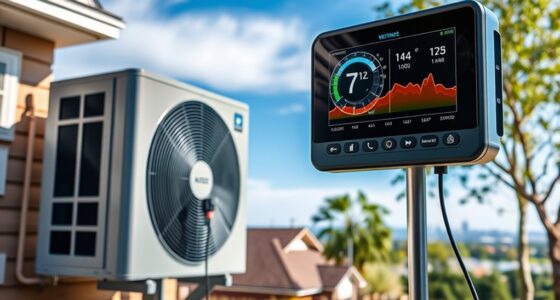
In cold climates, installing a heat pump can reduce your energy bills by over 30%, thanks to its ability to extract heat even below freezing and operate efficiently year-round. Proper installation and sizing are key to maximizing savings and ensuring reliable performance during winter months. With advanced technology, modern heat pumps offer better defrosting and cold-weather capabilities, helping you save money while staying warm. Keep exploring to discover how to get the most out of your system.

Get backup power and energy gear delivered free with Prime
- Fast, free delivery on millions of items
- Prime Video, Amazon Music and more included
- Member-only deals all year
Key Takeaways
- Properly installed heat pumps can significantly lower heating energy costs in cold climates.
- They extract heat effectively below freezing, maintaining indoor warmth with less energy consumption.
- Advanced cold-weather features improve efficiency, reducing reliance on fossil fuels and lowering utility bills.
- Correct sizing and insulation are crucial for maximizing energy savings and system performance.
- Long-term savings depend on system maintenance and technological improvements in cold climate heat pump design.
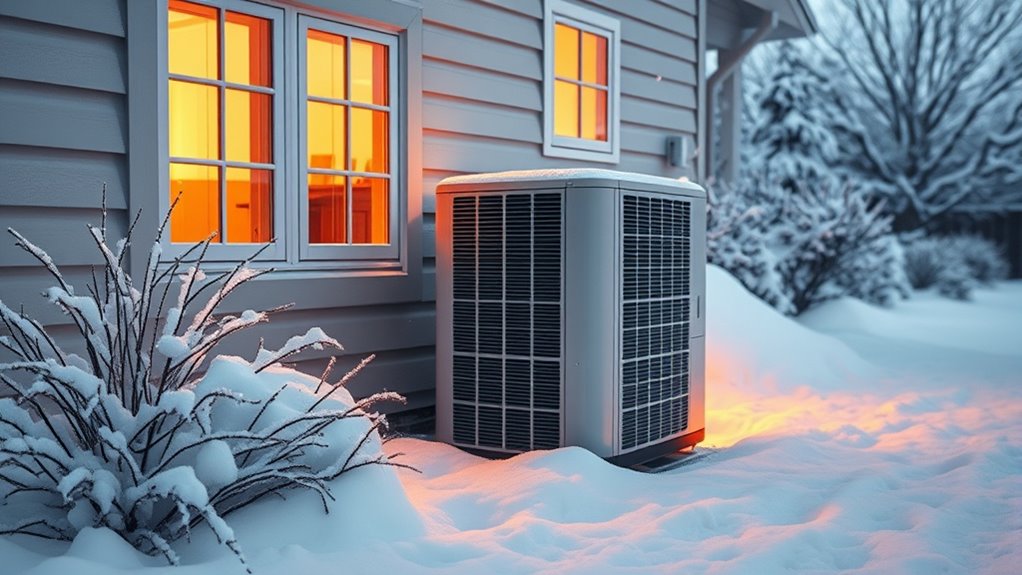
Have you ever wondered how heat pumps are transforming the way we heat and cool our homes? In cold climates, their impact on energy bills can be significant, but understanding how they work is key. Heat pumps have come a long way, offering notable efficiency improvements that help you save money during harsh winters. Unlike traditional heating systems that rely solely on electric resistance or fossil fuels, modern heat pumps extract heat from the outside air—even when temperatures dip below freezing. This process allows them to provide consistent warmth while consuming less energy, which translates into lower utility bills over time. Their ability to operate efficiently in colder weather is one of the main reasons homeowners in chilly regions are increasingly adopting this technology.
However, achieving those efficiency improvements isn’t always straightforward. Installation challenges can pose hurdles, especially in cold climates. For example, selecting the right size and type of heat pump is vital. If the system isn’t properly matched to your home’s heating needs, it may struggle to maintain comfort or operate efficiently. Proper installation also involves ensuring the outdoor unit is placed in a location that avoids excessive snow buildup or shading, which can impede performance. Additionally, the refrigerant lines must be correctly insulated to prevent energy loss, and the indoor components need careful setup to optimize airflow and heat distribution. These installation challenges require skilled technicians who understand the specific demands of cold climates. Skimping on professional installation can lead to reduced efficiency, higher energy bills, and even damage to the system over time.
Despite these hurdles, the long-term benefits often outweigh the initial difficulties. Once installed correctly, a heat pump can drastically cut your heating costs, especially if you upgrade from an older, less efficient system. You’ll notice a more stable indoor temperature and reduced reliance on fossil fuels, which is better for the environment too. As technology advances, manufacturers are addressing installation challenges by designing more adaptable and user-friendly systems. Some models now feature enhanced defrosting capabilities and improved cold-weather performance, making them more reliable in winter months. Proper sizing and installation are critical factors that can maximize a heat pump’s efficiency and longevity, especially in cold climates. Overall, the combination of efficiency improvements and evolving installation techniques means you can enjoy significant savings and comfort, even in the coldest parts of the year. While the upfront effort may require some planning and investment, the payoff is a more energy-efficient home that costs less to maintain.
As an affiliate, we earn on qualifying purchases.
Frequently Asked Questions
How Long Does It Typically Take for a Heat Pump to Recoup Installation Costs?
You can typically expect a heat pump to recoup its installation investment within 3 to 7 years. The cost recovery period depends on factors like energy savings, local climate, and energy prices. If your energy bills are high, you’ll see quicker savings. Regular maintenance and choosing an efficient model can shorten this payback time. Overall, investing in a heat pump is often a smart move for long-term savings.
Are There Specific Brands or Models Best Suited for Cold Climates?
Best brands for cold climates blend brand compatibility with model longevity. Look for models from trusted brands like Mitsubishi, Fujitsu, or Daikin, which are designed to operate efficiently in low temperatures. These brands boast reliable performance and durability, ensuring your heat pump withstands harsh winters. By choosing a reputable brand with proven cold climate compatibility, you’ll enjoy sustained comfort and consistent savings, even during the chilliest days.
How Does a Heat Pump’s Efficiency Change During Extreme Winter Conditions?
In extreme winter conditions, a heat pump’s cold weather efficiency can decrease because it works harder to extract heat from frigid air. However, modern cold climate heat pumps are designed to perform well even in low temperatures, maintaining higher efficiency than older models. You’ll notice that during the coldest days, the heat pump may rely more on supplementary heating, but overall, it stays effective in providing warmth efficiently throughout winter.
Can a Heat Pump Be Integrated With Existing Heating Systems?
Think of your home’s heating system as a musical ensemble; a heat pump can be your lead instrument, harmonizing with existing systems. You can integrate it seamlessly through hybrid systems or retrofit options, allowing smooth collaboration. This setup enhances efficiency, reduces energy costs, and extends your system’s life. You’ll enjoy the symphony of comfort and savings, all while preserving your current infrastructure and adapting to your evolving heating needs.
What Maintenance Is Required to Ensure Optimal Performance in Cold Weather?
To keep your heat pump running efficiently in cold weather, you should regularly check for frost buildup and use frost prevention measures, like defrost cycles. Additionally, clean or replace filters every few months to ensure proper airflow. These simple steps help prevent performance issues, reduce energy consumption, and extend your heat pump’s lifespan, maintaining your home warm and energy bills lower during colder months.
energy efficient heat pump for cold weather
As an affiliate, we earn on qualifying purchases.
As an affiliate, we earn on qualifying purchases.
Conclusion
Ultimately, investing in a heat pump can considerably lower your energy bills even in cold climates. While upfront costs might seem intimidating, the long-term savings make it worthwhile. Remember, “A penny saved is a penny earned,” and with a heat pump, you’re not just saving money—you’re also reducing your carbon footprint. Embrace this modern solution and enjoy warmth and savings all winter long.
As an affiliate, we earn on qualifying purchases.
best heat pump for freezing temperatures
As an affiliate, we earn on qualifying purchases.
As an affiliate, we earn on qualifying purchases.
Fall Picks
fall essentials
As an affiliate, we earn on qualifying purchases.