
TL;DR

Get backup power and energy gear delivered free with Prime
- Fast, free delivery on millions of items
- Prime Video, Amazon Music and more included
- Member-only deals all year
A Green Building Advisor article published Oct. 23, 2026, argues that healthy-home planning should include the health and safety of the people who build the home. It calls on designers to consider workers’ exposure to dust and vapors, as well as the practical conditions of installation, when choosing materials and assemblies.
A Green Building Advisor article published Oct. 23, 2026, argues that healthy-home design should account for the health and safety of construction workers, not only the people who will live in the finished building. Author Emily Mottram says designers should consider how materials are handled and installed, including potential exposure to dust and vapors and the physical demands of the work.
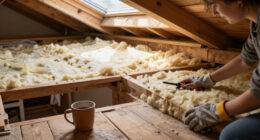
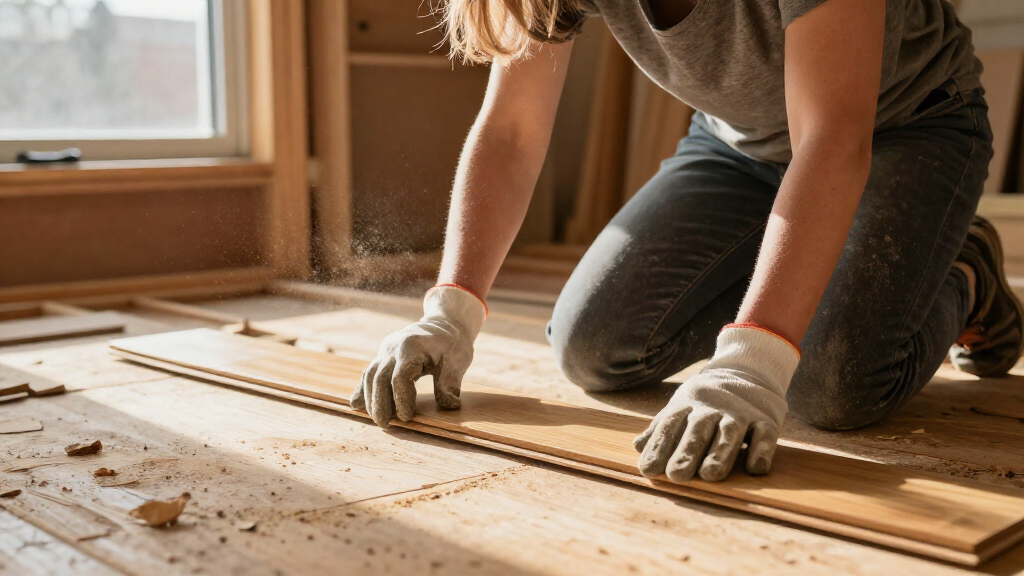
Mottram’s article, part of the Pretty Good House Blog, says conversations about healthy homes often focus on conditions after construction: ventilation, moisture control, low-emission finishes and durable assemblies. She argues that the same health-minded approach should reach the job site, because workers cut, mix, spray and sand materials before those products become part of a home.
The article raises practical questions about installation as well as material selection. For example, Mottram asks whether a design accounts for how a worker will move through a confined space, install a product and leave without damaging a vapor barrier. She also points out that dust or vapors from a task may affect more than the person directly handling a material.
Mottram presents worker health as part of the broader Pretty Good House approach: evaluating how a building system performs as a whole, rather than judging it by isolated measures. Alongside performance, durability, cost and indoor air quality, she says, designers should consider what it takes for workers to install the specified materials.
Construction Risks Belong in Design
The argument matters because choices made during design can shape the conditions workers encounter during construction. A material may be selected for its performance in the completed home, but its installation can involve handling, cutting, mixing, spraying or sanding. Mottram’s point is that those stages belong in a discussion of what makes a house healthy, rather than being treated as separate from the design.
For homeowners and building professionals, this broadens the meaning of a healthy building. A home’s indoor conditions after move-in are one part of the picture; the process used to create it affects the people doing the work. Considering installation requirements early may help designers and clients ask better questions about product selection, work methods and site conditions. The article does not report a particular injury, project or policy change; it makes a case for considering worker health before a problem occurs.
Products Worth Considering

Levoit Core 400S-P Smart Air Purifier for Large Rooms

Shark NV752 Rotator Powered Lift-Away TruePet Upright Vacuum, Bordeaux

Coway Airmega AP-1512HHS Smart Air Purifier, Black
As an affiliate, we earn on qualifying purchases.
The Pretty Good House Approach
The Pretty Good House concept, as described in the article, encourages people to question what high performance means and to consider how a building’s different parts work together. Mottram applies that idea to the construction process, linking the choice of materials to the conditions required to install them.
The article contrasts preventive consideration with relying on a bad experience to prompt change. Mottram says reports of illness or reactions matter, but argues that workers should not have to be harmed before designers begin asking about health risks. The supplied article page also says the piece is available to GBA Prime members, with access offered through a free trial; it does not provide additional reporting, data or technical guidance on specific products.
“But first, somebody must build it.”
— Emily Mottram, author of the Green Building Advisor article
Specific Risks Are Not Detailed
The article raises concerns about dust, vapors and installation conditions, but the supplied material does not identify particular products, exposure levels, illnesses, incidents or construction sites. It offers no quantitative evidence about the frequency or severity of work-related health effects, and it does not prescribe specific protective measures or compare materials.
It is also unclear whether the article will lead to changes in product specifications, design standards or building practices. Its central points are framed as questions and recommendations for broader consideration, not as findings from a study or an announcement of new rules.
Questions for Project Teams
The next step suggested by the article is for designers and project teams to include worker health and installation realities when reviewing materials and assemblies. That can mean asking how a product is applied, what conditions the work requires and whether the design allows workers to complete tasks safely and without damaging building components.
The source does not announce a formal follow-up, deadline or change to Pretty Good House criteria. Further details about product-specific risks, recommended practices or wider adoption would be needed to assess how the argument might affect building projects. For now, Mottram’s article calls for the conversation to begin during design rather than after a worker has been harmed.
Key Questions
What is the article’s main point?
Emily Mottram argues that healthy-home planning should consider the health and safety of construction workers who handle and install materials, as well as the eventual occupants.
Who published the article, and when?
The article appeared in Green Building Advisor’s Pretty Good House Blog on Oct. 23, 2026.
What construction concerns does it mention?
Mottram refers to workers cutting, mixing, spraying and sanding materials, and raises concerns about dust, vapors and difficult installation conditions. The supplied article does not identify specific products or quantify risks.
Does the article report a specific injury or new safety rule?
No. The supplied material describes a general argument for considering worker health earlier in design. It does not report a specific injury, announce a regulation or establish that a new standard has been adopted.
Source: rss