
By improving your distribution network design, you can quietly boost efficiency and cut costs without drastic changes. Fine-tuning inventory placement, optimizing transportation routes, and strategically locating warehouses help you deliver faster and more reliably. These small adjustments enhance responsiveness and resource use while reducing unnecessary expenses. If you’re interested, you’ll discover how these subtle shifts can transform your supply chain’s performance and elevate your customer satisfaction.

Get backup power and energy gear delivered free — and shop member deals
- Fast, free delivery on millions of items
- Access to Prime Big Deal Days deals on October 6–7
- Prime Video, Amazon Music and more included
Key Takeaways
- Optimized distribution networks streamline inventory placement, reducing storage costs and safety stock requirements.
- Strategic warehouse locations cut transit times, lowering transportation costs and enhancing delivery speed.
- Improved route planning and carrier selection minimize fuel consumption and delivery delays.
- Real-time inventory monitoring enables quick responses to demand fluctuations, boosting responsiveness.
- Small adjustments in network design significantly increase supply chain resilience and customer satisfaction.
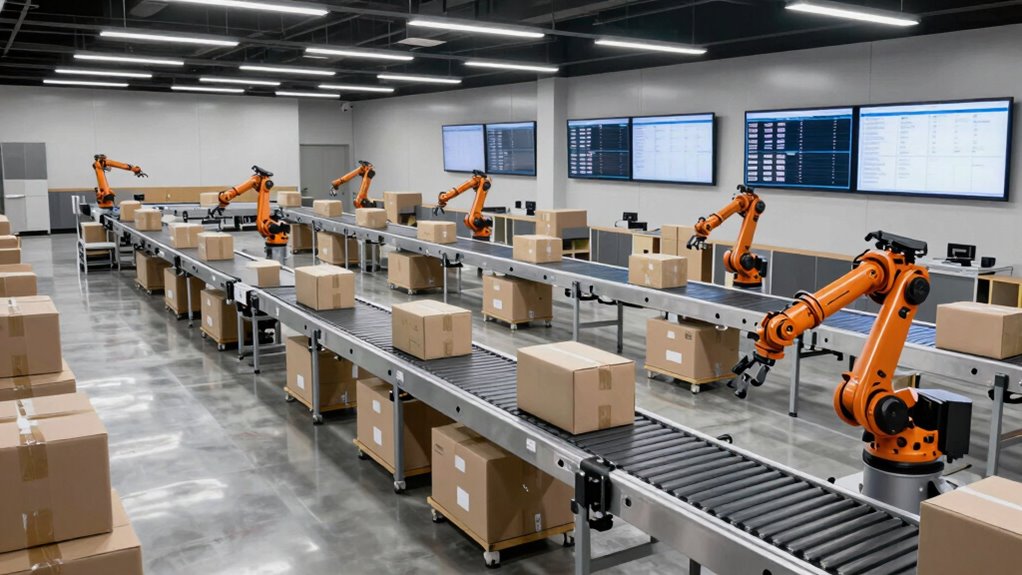
Have you ever wondered how businesses guarantee their products reach customers quickly and cost-effectively? The answer often lies in the quiet, behind-the-scenes improvements in distribution design. When you focus on optimizing your distribution network, you can markedly boost efficiency without making loud, disruptive changes. This involves fine-tuning elements like inventory optimization and transportation planning to create a seamless flow of goods from warehouse to doorstep. By doing so, you reduce unnecessary costs, improve delivery times, and enhance customer satisfaction—all without drawing attention to the process itself.
Optimizing distribution quietly boosts efficiency, cuts costs, and delivers faster, enhancing customer satisfaction without disrupting operations.
Inventory optimization plays an essential role in this efficiency. When you manage stock levels intelligently, you avoid overstocking or stockouts, which can tie up capital or cause delays. Using data-driven insights, you can position inventory closer to demand points, minimizing the need for excess safety stock and reducing storage costs. This strategic placement allows your business to respond faster to customer orders, especially during peak seasons, while keeping your overall inventory lean. Additionally, understanding distribution network strategies helps ensure your inventory is optimally located. Recognizing the importance of supply chain resilience can further strengthen your distribution approach, especially in volatile markets. Incorporating technology solutions like inventory management software can also greatly enhance your ability to monitor and adjust stock levels in real time. Improving distribution design in this way can lead to long-term savings and operational stability. A well-designed distribution network also often involves considering warehouse location to minimize transit times and costs.
Transportation planning is equally critical in creating a streamlined distribution system. When you plan routes carefully, you maximize delivery efficiency and reduce fuel consumption. Optimizing transportation involves consolidating shipments, choosing the best carriers, and planning routes that avoid unnecessary detours. This not only cuts costs but also shortens delivery times, which is essential in today’s fast-paced market. By leveraging technology like route optimization software, you gain real-time visibility and flexibility, allowing you to adapt quickly to unforeseen challenges or demand fluctuations.
Together, inventory optimization and transportation planning form the backbone of a well-designed distribution network. When these elements work harmoniously, your supply chain becomes more resilient, responsive, and cost-effective. The beauty of this approach is that the improvements often go unnoticed by your customers—they simply experience faster, more reliable deliveries. Meanwhile, your business benefits from lower logistics costs, better resource utilization, and improved service levels.
Ultimately, the quiet efficiency gains from better distribution design aren’t flashy but are incredibly impactful. You’ll find that small adjustments in inventory strategies combined with smarter transportation planning can transform your entire supply chain. It’s about working smarter, not harder—creating a distribution system that’s both robust and agile, ensuring your products reach customers swiftly and economically every time.
As an affiliate, we earn on qualifying purchases.
Frequently Asked Questions
How Does Distribution Design Impact Overall Supply Chain Resilience?
Your distribution design directly impacts supply chain resilience by enabling better inventory optimization and risk mitigation. When you design your distribution network thoughtfully, you can respond more quickly to disruptions, maintain ideal stock levels, and avoid shortages. This proactive approach reduces vulnerability, guarantees steady delivery, and keeps your supply chain flexible. Ultimately, a well-planned distribution system strengthens your ability to withstand shocks and adapt swiftly to changing market conditions.
What Are Common Pitfalls in Distribution Network Planning?
You often stumble into pitfalls like neglecting inventory optimization, which leads to excess or shortages, and poor transportation routing, causing delays and higher costs. Overlooking these areas results in inefficient distribution networks that struggle to adapt to demand changes. To avoid these issues, prioritize strategic inventory management and optimize transportation routes. This keeps your distribution streamlined, reduces expenses, and boosts overall supply chain resilience.
How Can Technology Improve Distribution Efficiency?
Did you know that implementing technology can boost distribution efficiency by up to 20%? You can achieve this with automated routing, which optimizes delivery paths, reducing fuel costs and delivery times. Real-time tracking keeps you informed of vehicle locations and delays, allowing quick adjustments. Together, these tools streamline operations, cut costs, and improve customer satisfaction—making your distribution network smarter and more responsive.
What Cost Savings Are Typically Achieved With Better Distribution Design?
With better distribution design, you typically achieve significant cost savings through inventory reduction and transportation optimization. You reduce excess stock, lowering storage costs, and streamline routes, which cuts transportation expenses. These improvements also lead to faster deliveries and better resource utilization. Overall, you’ll notice increased efficiency, lower operational costs, and a stronger ability to respond to market demands, making your distribution system more cost-effective and competitive.
How Does Distribution Design Influence Customer Satisfaction?
Imagine your customers’ satisfaction as a delicate balance, easily tipped by distribution choices. When you optimize inventory and improve delivery accuracy through thoughtful distribution design, you guarantee products arrive on time and in perfect condition. This reliability builds trust and loyalty, turning satisfied customers into repeat buyers. By streamlining your distribution, you not only meet expectations but exceed them, creating a seamless experience that keeps your customers coming back for more.
As an affiliate, we earn on qualifying purchases.
Conclusion
By optimizing your distribution design, you reveal a hidden well of efficiency waiting to be tapped. It’s like tuning a finely crafted instrument—every part working in harmony to produce a clearer, stronger sound. When you invest in smarter layout choices, you’re not just saving time and costs; you’re orchestrating a smoother operation that sings. Embrace the power of better design, and watch your efficiency grow like a well-watered garden, lush and thriving.
warehouse location planning tools
As an affiliate, we earn on qualifying purchases.
As an affiliate, we earn on qualifying purchases.
real-time inventory monitoring system
As an affiliate, we earn on qualifying purchases.
As an affiliate, we earn on qualifying purchases.
Fall Picks
fall essentials
As an affiliate, we earn on qualifying purchases.