Proper air sealing and insulation before installing a heat pump are crucial to maximizing its efficiency and your home’s comfort. By sealing gaps around windows, doors, and electrical outlets, you prevent drafts and outside air from infiltrating. Insulation helps maintain consistent indoor temperatures, reducing how hard the heat pump needs to work. Together, these steps lower energy bills, extend the system’s lifespan, and improve overall indoor quality. Keep going to discover how these upgrades can make a real difference.
Key Takeaways
- Proper air sealing and insulation maximize heat pump efficiency and indoor comfort.
- They reduce energy consumption and lower utility bills by preventing heat loss or gain.
- Sealing gaps and insulating help maintain consistent indoor temperatures and eliminate drafts.
- Combining both extends the lifespan of the heat pump by decreasing system strain.
- A well-insulated, airtight home creates a more effective building envelope for long-term savings.
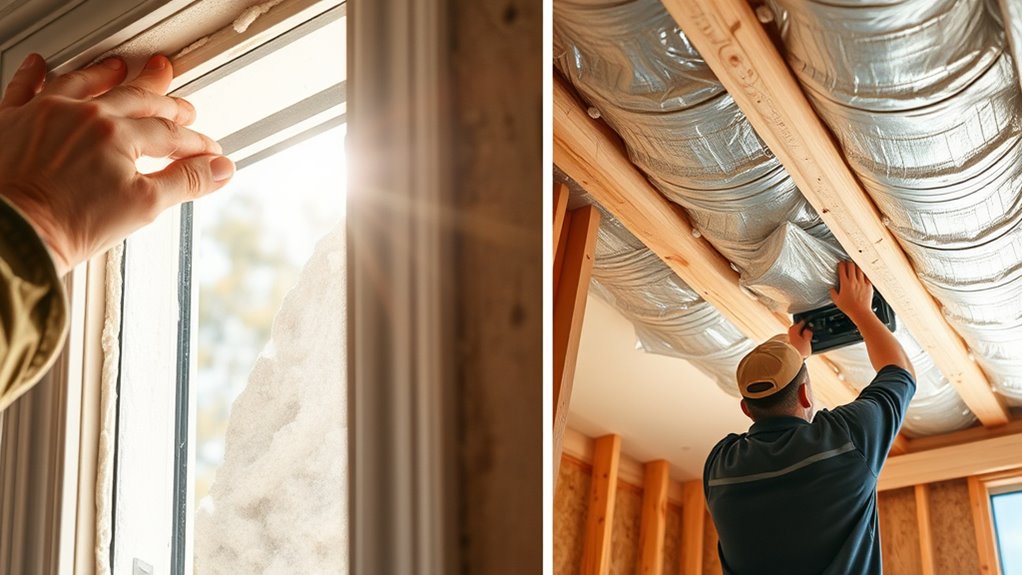
Before installing a heat pump, guaranteeing your home is properly air sealed and insulated is essential for maximizing efficiency and comfort. When your home is airtight and well-insulated, your heat pump can perform at its best, providing reliable heating and cooling while using less energy. This not only helps you save on utility bills but also enhances your indoor comfort by maintaining consistent temperatures throughout your living space. Without proper air sealing and insulation, your heat pump has to work harder to compensate for drafts and heat loss, which can lead to increased energy consumption and uneven temperatures.
Proper air sealing and insulation ensure your heat pump operates efficiently and maintains consistent indoor comfort.
Air leaks around windows, doors, electrical outlets, and ductwork create pathways for outside air to infiltrate your home. These leaks cause your heating and cooling system to run more frequently, trying to maintain the desired temperature. By sealing these gaps with weatherstripping, caulking, and foam sealants, you reduce unwanted air exchange. This process creates a tighter building envelope, allowing your heat pump to operate more efficiently and effectively. Proper air sealing also minimizes drafts, which can cause cold spots or hot spots, disrupting indoor comfort and making you feel uncomfortable even when the system is running.
Insulation plays a critical role in maintaining indoor temperatures by reducing heat transfer through walls, ceilings, and floors. When your home is adequately insulated, it retains heat during winter and keeps out excess heat during summer. This means your heat pump doesn’t have to work as hard to maintain a stable indoor climate. Adding insulation to attics, walls, and floors can notably improve energy efficiency because less energy is wasted overcoming heat loss or gain. Well-insulated homes also experience fewer temperature swings, ensuring a more consistent and comfortable environment.
Combining air sealing with proper insulation creates an ideal environment for your heat pump to operate efficiently. It ensures that the conditioned air stays inside, reducing the workload on your system. This not only improves energy efficiency but also prolongs the lifespan of your heat pump, since it doesn’t have to run as frequently under strain. Plus, a sealed and insulated home minimizes noise from outside and reduces drafts, enhancing overall indoor comfort. In short, investing in air sealing and insulation before installing a heat pump sets the foundation for a more energy-efficient, comfortable, and cost-effective heating and cooling solution. Proper building envelope improvements are a crucial step in optimizing your heat pump’s performance and ensuring long-term savings.

30 Pint Dehumidifier for Basement, 2500 Sq. Ft Dehumidifiers for Home with Drain Hose, 3 Modes, Smart Humidity Control, 24H Timer, 0.52 Gal Water Tank, for Whole House, Bedroom, Bathroom, Garage, Rv
Powerful 30-Pint Moisture Removal for Spaces up to 2500 Sq. Ft: High humidity can make rooms feel damp,...
As an affiliate, we earn on qualifying purchases.
Frequently Asked Questions
How Much Can I Save on Energy Bills With Proper Air Sealing?
With proper air sealing, you can save up to 20-30% on your energy bills, markedly boosting your home’s energy efficiency. By reducing drafts and air leaks, your heat pump works more efficiently, minimizing energy waste. These improvements lead to substantial cost savings over time, making your investment in air sealing worthwhile. You’ll enjoy a more comfortable home while cutting costs and reducing your environmental impact.
What Are the Best Materials for Insulation Before Heat Pump Installation?
Did you know that proper insulation can cut your energy bills by up to 20%? For your heat pump, the best insulation types include spray foam, fiberglass batts, and rigid foam boards. Use sealing techniques like caulking and weatherstripping to enhance efficiency. These materials and methods create a tight barrier, ensuring your heat pump works effectively and keeps your home warm while saving you money.
How Long Does Air Sealing and Insulation Process Typically Take?
The air sealing and insulation process usually takes anywhere from a day to a few days, depending on the home’s size and complexity. You should consider timing estimates when planning your project, ensuring there’s enough time to thoroughly seal and insulate before installing the heat pump. Proper planning helps avoid delays, ensuring your system operates efficiently once installed. Be prepared for some variability based on your home’s specific needs.
Can Improper Sealing Affect the Heat Pump’s Lifespan?
Improper sealing can considerably shorten your heat pump’s lifespan by increasing air leakage and causing insulation deterioration. When gaps and leaks exist, your system works harder to heat or cool, leading to extra wear and tear. Over time, this strain can break down components and reduce efficiency. To keep your heat pump running smoothly and last longer, make sure your home’s air sealing is thorough and insulation is in good condition.
Are There Specific Codes or Standards for Insulation and Sealing?
You might think codes are just paperwork, but building codes and insulation standards are essential for your heat pump’s efficiency and longevity. They specify how well your home needs to be sealed and insulated before installation, ensuring safety and performance. Ignoring these standards can lead to poor energy efficiency and potential issues down the line. Always check local building codes to meet or exceed insulation standards for ideal results.

Waykar 158 Pints Crawl Space Dehumidifier with Remote Control and Pump, Dual Duct HVAC Commercial Whole-House Dehumidifier for Basement, Industry Water Damage Unit - 5-Year Quality Coverage
【158 Pint Crawl Space Dehumidifier】The Waykar whole-house dehumidifier extracts up to 158 pints of water per day (under...
As an affiliate, we earn on qualifying purchases.
Conclusion
Now that you understand how essential air sealing and insulation are, imagine what could happen if you skip these steps. The efficiency of your new heat pump might suffer, costing you more in the long run. Don’t let small gaps and poor insulation sabotage your comfort and savings. Take action now—seal and insulate thoroughly before installation. The difference it makes could surprise you, and your future self will thank you for it.
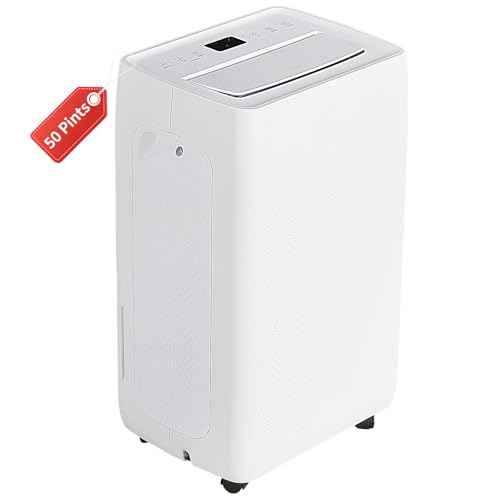
OLIXIS 3,500 Sq. Ft Dehumidifier, 50 Pints Dehumidifier for Basement with Drain Hose, 4.5L/1.19 Gallon Water Tank Quiet with Airflow Swing, Ideal Whole House Dehumidifiers for Home, Bedroom Bathroom
3,500 Sq. Ft Dehumidification Area & 50 Pints/Day with Under 41dB Operation: OLIXIS dehumidifier efficiently removes up to...
As an affiliate, we earn on qualifying purchases.

Airzentti 155 Pints Commercial Dehumidifier for Basement with Pump and Drain Hose, Large Space Dehumidifier for Crawl Space, Attic, Garage, Home, Industrial, Water Damage, Auto Defrost, Energy Star
[Commercial Grade Dehumidifier] This Airzentti crawl space dehumidifier with large capacity removes moisture from basement, attic, large room...
As an affiliate, we earn on qualifying purchases.