Welcome to our carefully selected guide on energy-efficient heat pumps for environmentally friendly homes. We have compiled valuable information and suggestions to assist you in making informed choices regarding your heating system.
Discover the benefits of heat pumps in sustainable home design, factors to consider when choosing an efficient heat pump, and energy-saving tips to optimize its performance.
Join us as we explore best practices for installation and maintenance, along with inspiring case studies of successful heat pump systems in eco-friendly homes.
Let’s embark on this journey towards a greener future together.

Key Takeaways
- Heat pump systems in homes and buildings offer numerous benefits, including decreased energy consumption by up to 30%, lower monthly utility bills, and reduced carbon emissions by 50%.
- Choosing an efficient heat pump involves considering factors such as heat pump efficiency, size, cost considerations, climate compatibility, and noise level.
- Optimizing heat pump performance can be achieved through setting a comfortable thermostat temperature, regularly cleaning or replacing air filters, ensuring proper insulation, and implementing energy-saving measures.
- Installing and maintaining heat pumps require following best practices such as choosing a suitable location, correct sizing, inspecting and sealing ductwork, verifying proper installation and secure electrical connections, and scheduling professional maintenance at least once a year.

DIY Heat Pump Installation 2026: Save $2,500 Yearly on HVAC
As an affiliate, we earn on qualifying purchases.
As an affiliate, we earn on qualifying purchases.
Benefits of Heat Pumps in Sustainable Home Design
We have identified five key benefits of heat pumps in sustainable home design.
The first benefit is energy efficiency. Heat pumps are incredibly efficient in converting energy into heat, making them a cost-effective option for heating and cooling homes. They can achieve high levels of energy efficiency by extracting heat from the air or ground and transferring it into the home.
The second benefit is carbon footprint reduction. Heat pumps produce fewer greenhouse gas emissions compared to traditional heating systems, helping to reduce the carbon footprint of the home. By choosing a heat pump, homeowners can contribute to environmental sustainability while enjoying a comfortable indoor climate.

As an affiliate, we earn on qualifying purchases.
Factors to Consider When Choosing an Efficient Heat Pump
When selecting a heat pump for your eco-friendly home, it’s crucial to consider both heat pump efficiency and cost considerations. Heat pump efficiency refers to how effectively the heat pump can convert energy into heat or cool air. Look for a heat pump with a high Seasonal Energy Efficiency Ratio (SEER) and Heating Seasonal Performance Factor (HSPF) ratings, as these indicate greater efficiency.

Additionally, consider the size of the heat pump in relation to your home’s heating and cooling needs. Choosing the right size will ensure optimal performance and energy efficiency.
Cost considerations include the initial purchase price, installation costs, and long-term operating expenses. It’s important to weigh these factors against the potential energy savings and environmental benefits of an efficient heat pump.

VARMINPOOL 40000BTU Smart Electric Pool Heat Pump for 10,500 Gals in and Above Ground Pools, Electric Pool Heater with Timer and Control Function via Smart APP, Heat & Cool Mode, 240V
- Suitable for Pools Up to 10,000 Gallons: Powerful 40,000 BTU heating capacity
- Stable 220–240V Power Supply: Supports consistent, long-term heating
- Energy-Efficient Heat Transfer: Uses air-source heat pump technology
As an affiliate, we earn on qualifying purchases.
As an affiliate, we earn on qualifying purchases.
Energy-Saving Tips for Optimizing Heat Pump Performance
To maximize heat pump performance and save energy, it’s important to follow these tips:
- Set your thermostat at a comfortable temperature and avoid drastic fluctuations.
- Keep your heat pump well-maintained by regularly cleaning or replacing air filters.
- Ensure that your home is well-insulated to prevent heat loss and improve energy efficiency.
- Use a programmable thermostat to schedule temperature adjustments based on your daily routine.
By implementing these energy-saving techniques, you can significantly improve heat pump efficiency and reduce your energy consumption. Not only will this help you save money on your utility bills, but it will also contribute to a more eco-friendly lifestyle.

Now that we’ve covered ways to optimize heat pump performance, let’s move on to discussing the best practices for installing and maintaining heat pumps.
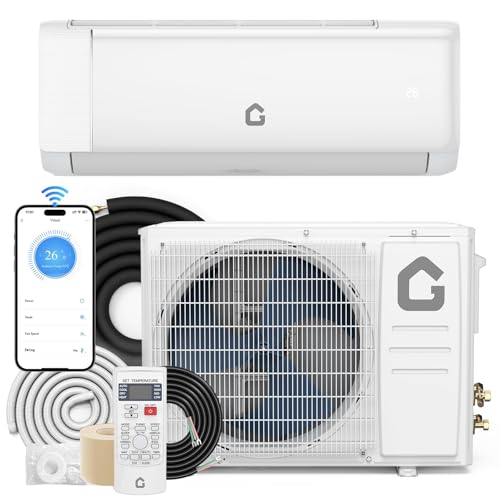
12,000 BTU Mini Split AC & Heat Pump | 115v, Inverter, Smart WiFi, Remote | Ultra-Quiet, Energy Efficient for 750 Sq.Ft Space
- Cooling and Heating Capacity: Cools and heats up to 750 sq. ft.
- Energy Efficiency: SEER 22 rating saves up to 30%
- Eco-Friendly Refrigerant: Uses R32 refrigerant for eco-friendliness
As an affiliate, we earn on qualifying purchases.
As an affiliate, we earn on qualifying purchases.
Best Practices for Installing and Maintaining Heat Pumps
When installing and maintaining heat pumps, it’s crucial to follow best practices for optimal performance and longevity. Proper heat pump installation ensures efficient operation and reduces the likelihood of future issues. Here are some essential steps to consider during installation:
-
Location: Choose a suitable location for the heat pump, considering factors like noise, accessibility for maintenance, and airflow.
-
Sizing: Ensure the heat pump is correctly sized for your home’s heating and cooling needs. A professional can help determine the appropriate size.

-
Ductwork: Inspect and seal the ductwork to prevent air leaks, ensuring efficient airflow and reducing energy loss.
-
Electrical Connections: Ensure all electrical connections are properly installed and secure. Faulty connections can lead to malfunctions or safety hazards.
-
Refrigerant Charge: Verify the correct refrigerant charge during installation to ensure optimal heat pump performance.
To maintain your heat pump, regular maintenance is essential. Here are a few maintenance tips:

-
Filter Cleaning: Clean or replace filters regularly to maintain proper airflow and prevent dust accumulation.
-
Coil Cleaning: Clean the outdoor and indoor coils to remove dirt and debris, ensuring efficient heat transfer.
-
Inspect for Damage: Regularly inspect the heat pump for any signs of damage or wear and tear. Address any issues promptly to prevent further damage.
-
Professional Maintenance: Schedule professional maintenance at least once a year to ensure the system is running efficiently and address any potential issues.

Following these best practices can help maximize the performance and lifespan of your heat pump, ensuring a comfortable and energy-efficient home.
Case Studies: Successful Implementation of Heat Pump Systems in Eco-Friendly Homes
We have observed significant energy savings and reduced carbon emissions through the successful implementation of heat pump systems in eco-friendly homes. These case studies demonstrate the effectiveness of heat pumps in promoting sustainability and reducing environmental impact.
In one case study, a family in a suburban home installed a heat pump system and saw a 30% decrease in their energy consumption, resulting in lower monthly utility bills.
Another case study focused on a commercial building that implemented heat pumps for both heating and cooling. This led to a 50% reduction in carbon emissions, aligning with the building owner’s commitment to sustainability.

A third case study highlighted the use of heat pumps in an apartment complex. By installing heat pump systems in each unit, the complex was able to achieve a 40% reduction in energy consumption, benefitting both the residents and the environment.
Lastly, a rural farmhouse successfully integrated a ground source heat pump, resulting in year-round comfort and a 60% decrease in carbon emissions.
These case studies illustrate the positive impact of heat pump systems in eco-friendly homes, showcasing their potential for energy savings and environmental sustainability.
Frequently Asked Questions
What Are the Potential Drawbacks or Limitations of Using Heat Pumps in Eco-Friendly Homes?
Potential drawbacks and limitations of heat pumps in eco-friendly homes include higher cost and noise. However, these can be mitigated by choosing energy-efficient models and proper installation.

Are There Any Government Incentives or Rebates Available for Installing Heat Pumps in Sustainable Home Designs?
Yes, there are government incentives and rebates available for installing heat pumps in sustainable home designs. These incentives can help make the upfront cost more affordable and encourage eco-friendly choices.
How Does the Efficiency of a Heat Pump Vary in Different Climates or Regions?
Heat pump efficiency can vary in different climates or regions due to factors like temperature, humidity, and insulation. These factors affect the heat pump’s ability to transfer heat effectively, making it important to consider local conditions when choosing a heat pump for your eco-friendly home.
Can Heat Pumps Be Used as a Standalone Heating and Cooling Solution, or Do They Need to Be Supplemented With Other Systems?
Heat pumps can be a standalone heating and cooling solution, but their efficiency might vary. Supplementing them with other systems can optimize their performance, ensuring comfort and energy savings for eco-friendly homes.
What Are Some Common Maintenance Tasks or Issues That Homeowners Should Be Aware of When It Comes to Heat Pumps?
When it comes to heat pump maintenance, there are some common issues that homeowners should be aware of. Regular filter cleaning, checking for refrigerant leaks, and ensuring proper airflow are essential tasks for optimal performance and efficiency.

Conclusion
In conclusion, heat pumps are a crucial component in creating eco-friendly homes. By efficiently converting energy, they not only reduce carbon emissions but also save on energy costs.
However, it’s important to carefully consider factors such as size and efficiency when choosing a heat pump. Regular maintenance and following energy-saving tips can further optimize their performance.
Through successful case studies, it’s evident that heat pump systems have proven to be a sustainable and effective choice for a greener future.