TL;DR

Get backup power and energy gear delivered free — and shop member deals
- Fast, free delivery on millions of items
- Access to Prime Big Deal Days deals on October 6–7
- Prime Video, Amazon Music and more included
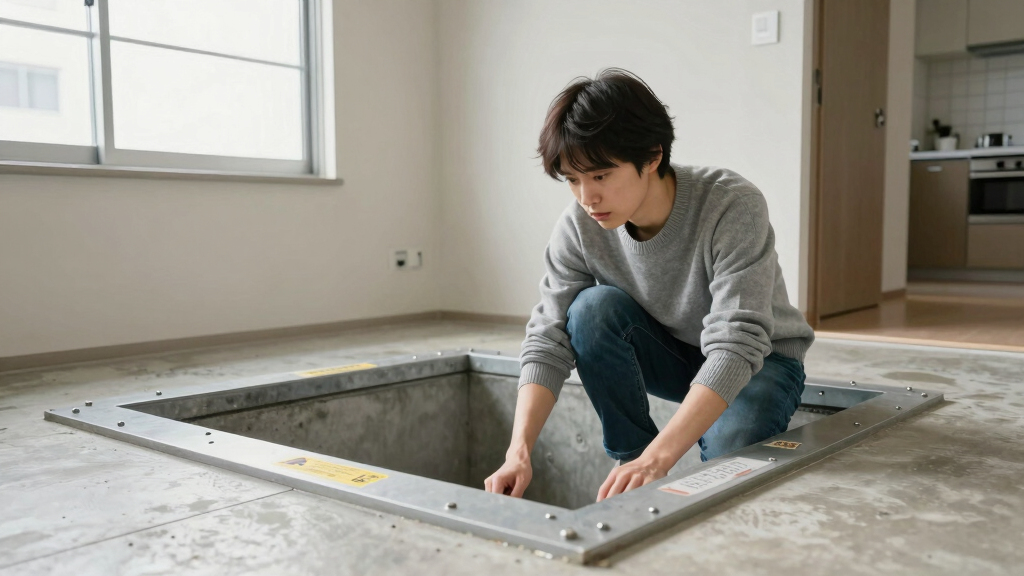
Japan’s local authorities currently cover only 5% of the population with underground missile shelters. This shortage raises concerns about civilian protection amid regional security tensions. The situation remains urgent and unresolved.
Japan’s local governments currently provide underground missile shelters for only 5% of the population, highlighting a significant gap in civil defense infrastructure amid rising regional security threats.
According to reports from Nikkei Asia, local authorities across Japan are struggling to establish sufficient underground shelters capable of protecting residents from missile attacks. Despite increased regional tensions and the deployment of long-range missiles to defense bases such as in Kumamoto, the coverage remains minimal. Authorities have identified that the majority of the population lacks access to underground shelters designed to withstand missile strikes, with only a small fraction—approximately 5%—being covered nationwide. This shortfall is attributed to the high costs, logistical challenges, and limited land availability in urban areas. The government has acknowledged the need to improve civil defense measures but has yet to implement a comprehensive nationwide plan.
Why It Matters
This situation is significant because it exposes a critical vulnerability in Japan’s civil defense preparedness amid rising regional security threats, especially from North Korea and China. The limited shelter coverage could impact civilian safety in the event of missile attacks, potentially leading to increased casualties and chaos. It also raises questions about Japan’s ability to effectively protect its population and may influence future defense policy and infrastructure investments.
As an affiliate, we earn on qualifying purchases.
Background
Japan has faced increasing security concerns in recent years, with North Korea conducting missile tests and China expanding its military presence in the region. In late March 2026, long-range missiles were deployed to a Ground Self-Defense Force base in Kumamoto, underscoring the growing threat environment. Despite these developments, civil defense infrastructure has not kept pace, with only 5% of residents covered by underground shelters, according to official reports. Historically, Japan has prioritized civil defense, but recent budget constraints and land limitations have hampered expansion efforts. The issue has gained attention amid discussions on national security and disaster preparedness, especially as Japan lacks enough underground shelters to withstand missile attacks.
“The coverage of underground shelters remains insufficient to ensure the safety of all residents in the event of missile attacks.”
— Defense Ministry official
“We are actively seeking solutions, but logistical and financial challenges have slowed progress.”
— Local government spokesperson
As an affiliate, we earn on qualifying purchases.
What Remains Unclear
It is not yet clear how quickly the government plans to address the shelter shortage or what specific measures will be implemented to increase coverage. Details on funding, timeline, and regional priorities remain under discussion.
As an affiliate, we earn on qualifying purchases.
What’s Next
The government is expected to review civil defense strategies in the coming months, potentially announcing new funding and infrastructure projects aimed at increasing underground shelter coverage. Monitoring policy updates and regional initiatives will be key to understanding progress.
As an affiliate, we earn on qualifying purchases.
Key Questions
Why does Japan have such limited underground missile shelters?
High costs, land scarcity, and logistical challenges have limited the expansion of underground shelters despite rising security threats, similar to how Japan can’t make robot wolves fast enough to counter the rise in bear attacks that have killed 13 humans this year — $4,000+ animatronic Monster Wolf features intense LEDs and makes loud noises.
How many people are currently covered by underground shelters in Japan?
Approximately 5% of Japan’s population is covered by underground missile shelters nationwide.
What threats are prompting Japan to improve its civil defense infrastructure?
Regional security tensions, including missile tests by North Korea and military activities by China, are increasing the perceived threat to civilian safety.
What are the next steps for Japan in addressing this issue?
The government is expected to review and potentially expand civil defense measures, including increasing shelter infrastructure, in the coming months.
Source: Nikkei Asia
Halloween Picks
halloween
As an affiliate, we earn on qualifying purchases.