We acknowledge that there may be concerns regarding the initial costs of investing in energy-efficient heat pumps. However, our analysis demonstrates the clear economic benefits of these advanced systems.

Get backup power and energy gear delivered free — and shop member deals
- Fast, free delivery on millions of items
- Access to Prime Big Deal Days deals on October 6–7
- Prime Video, Amazon Music and more included
By reducing energy consumption, heat pumps offer substantial cost savings in the long run. With a shorter payback period and government incentives available, the financial benefits are significant.
Additionally, taking into account the positive environmental impact and extended lifespan, it becomes clear that energy-efficient heat pumps are a wise choice for the forward-thinking consumer.
Key Takeaways
- Energy-efficient heat pumps can lead to significant cost savings on utility bills.
- Installing energy-efficient heat pumps can have a positive impact on the payback period.
- Government incentives are available to further reduce the costs of purchasing and installing heat pumps.
- Energy-efficient heat pumps have lower maintenance costs and a longer lifespan compared to conventional heating systems.
Energy Savings: Understanding the Potential Cost Reductions
We can achieve significant cost reductions by understanding the potential energy savings of energy-efficient heat pumps. Energy consumption is a critical factor in determining the overall cost of heating and cooling systems.

By adopting energy-efficient heat pumps, businesses and households can lower their energy consumption, resulting in substantial savings on utility bills. These cost reductions can have a significant impact on the payback period for installing energy-efficient heat pumps.
Return on Investment: Calculating the Financial Benefits
By accurately calculating the financial benefits, businesses and households can determine the return on investment for installing energy-efficient heat pumps. One of the key factors to consider is energy consumption.
Energy-efficient heat pumps have the potential to significantly reduce energy consumption compared to traditional heating systems. This reduction in energy usage directly translates into cost savings, as businesses and households can expect lower utility bills.
In addition to energy consumption, another important consideration is energy efficiency. Energy-efficient heat pumps are designed to maximize the amount of heat generated from a given amount of energy input. This increased efficiency leads to further cost savings, as less energy is required to achieve the same heating output.
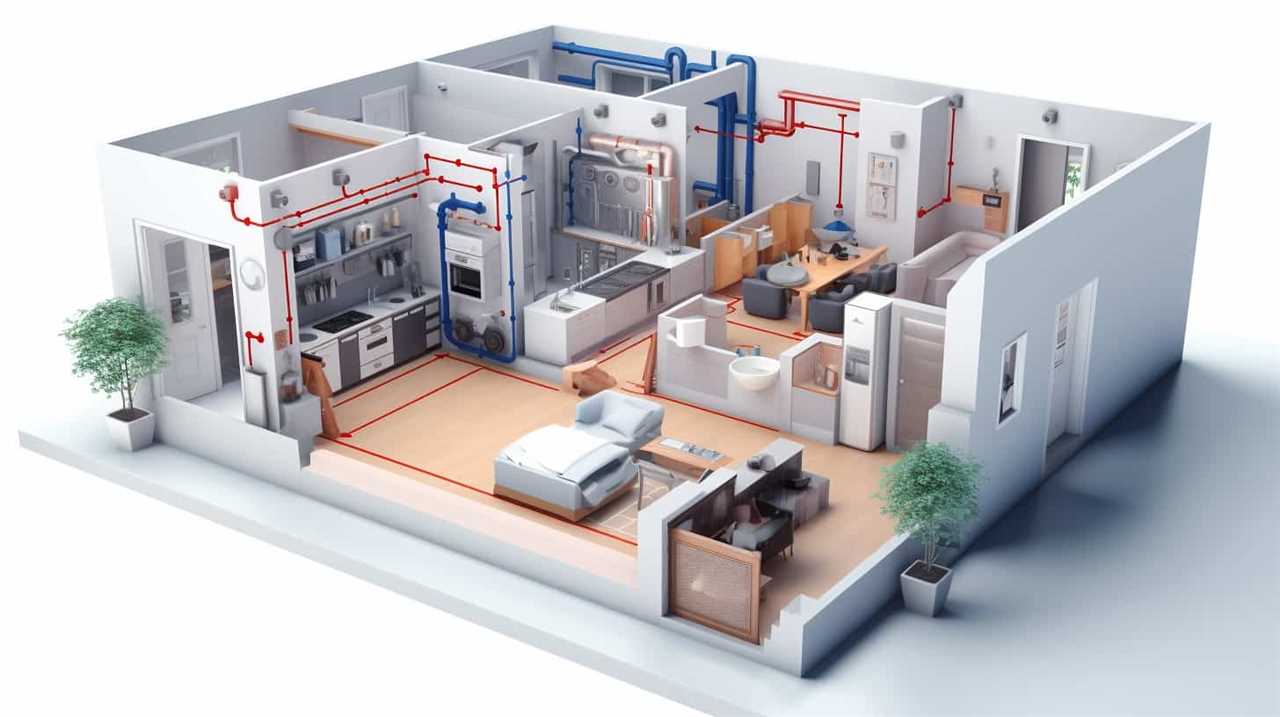
Environmental Impact: Evaluating the Green Advantages
Evaluating the green advantages includes assessing the reduction of carbon emissions and the promotion of sustainable energy practices.
Energy-efficient heat pumps have the potential to significantly reduce the carbon footprint of buildings and homes. By utilizing renewable energy sources such as air, ground, or water, heat pumps can effectively reduce greenhouse gas emissions compared to traditional heating systems. The integration of renewable energy sources further enhances the environmental benefits of heat pumps.
Government Incentives: Exploring Financial Support Options
To fully understand the financial benefits of energy-efficient heat pumps, it’s important to explore the various government incentives available.
One such incentive is tax credits, which provide a direct reduction in the amount of tax owed by individuals or businesses. These credits can significantly lower the cost of purchasing and installing energy-efficient heat pumps.
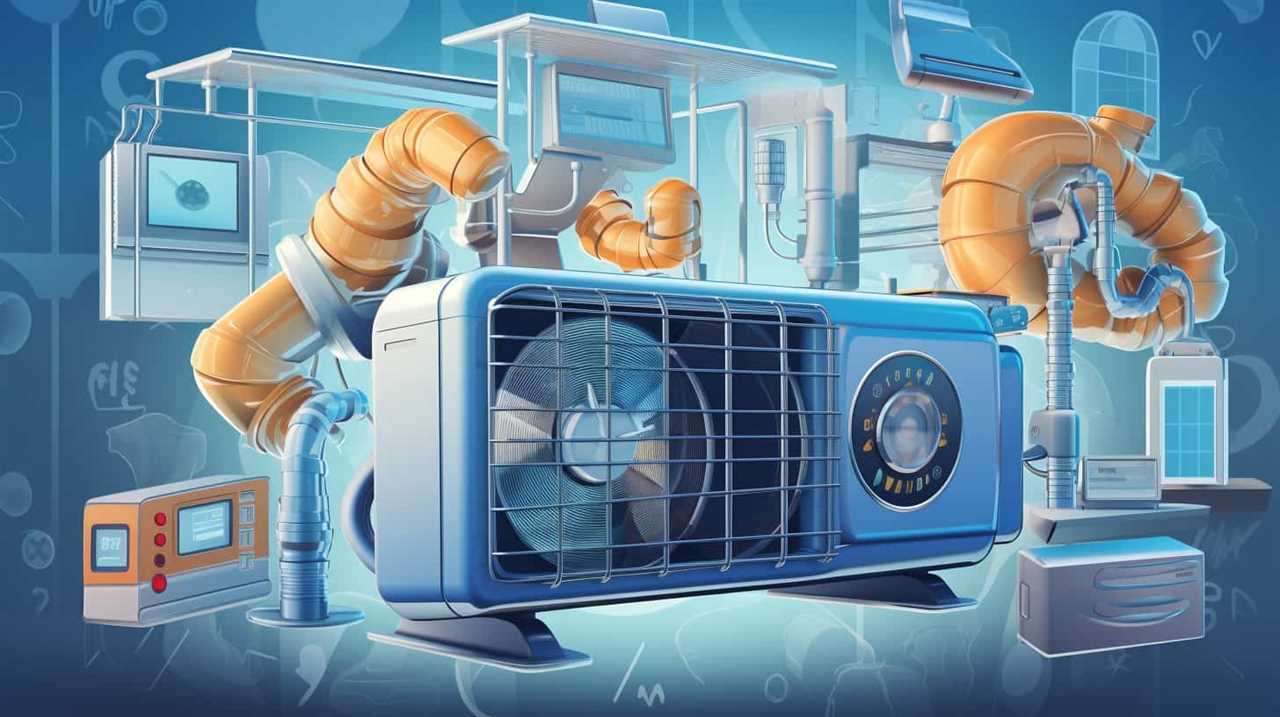
Another option is rebate programs, where individuals or businesses receive a refund or cash back for purchasing qualifying energy-efficient equipment. These programs help to offset the initial investment in energy-efficient heat pumps, making them more financially accessible.
Maintenance and Lifespan: Assessing Long-term Cost Considerations
Our analysis of maintenance and lifespan reveals the significance of long-term cost considerations when considering energy-efficient heat pumps.
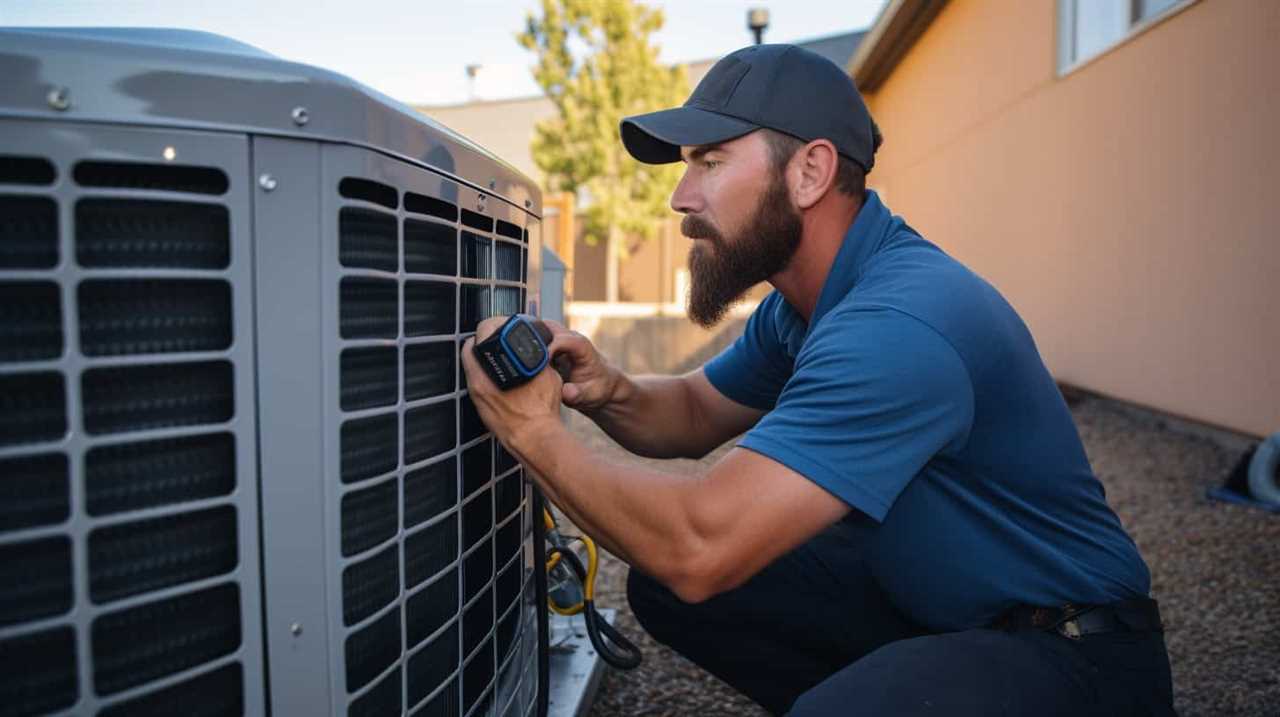
When it comes to maintenance costs, energy-efficient heat pumps have an advantage over traditional heating systems. These pumps require regular maintenance to ensure optimal performance, but the overall costs are significantly lower compared to other heating options.
In terms of equipment longevity, energy-efficient heat pumps have a longer lifespan than conventional heating systems. This means that the initial investment in an energy-efficient heat pump can yield long-term savings by avoiding the need for premature replacement.
Frequently Asked Questions
How Do Heat Pumps Compare to Other Energy-Efficient Heating and Cooling Systems in Terms of Cost Savings?
Compared to other energy-efficient systems, heat pumps offer significant cost savings. By analyzing the long-term benefits, we can determine the economical merits of energy-efficient heat pumps and their superiority over traditional HVAC systems.
Are There Any Potential Drawbacks or Limitations to Using Energy-Efficient Heat Pumps?
Potential disadvantages of energy-efficient heat pumps include higher upfront costs, lower performance in extreme temperatures, and the need for regular maintenance. However, when compared to other systems, heat pumps offer significant cost savings and are environmentally friendly.
What Are the Key Factors That Can Affect the Return on Investment for Installing an Energy-Efficient Heat Pump?
When considering the ROI for energy-efficient heat pumps, factors such as cost savings, drawbacks, and limitations must be compared. Additionally, building requirements and additional benefits play a role in analyzing the economical merits.
Can Energy-Efficient Heat Pumps Be Used in All Types of Buildings or Are There Specific Requirements?
Energy-efficient heat pumps can be used in a variety of buildings, but specific requirements must be met. These requirements are related to building size, insulation, and energy consumption. By meeting these standards, buildings can maximize the benefits of energy-efficient heat pumps.

Are There Any Additional Benefits to Using Energy-Efficient Heat Pumps Beyond Cost Savings and Environmental Impact?
There are indeed additional benefits to using energy-efficient heat pumps beyond cost savings and environmental impact. These include improved indoor air quality and increased comfort levels compared to traditional heating and cooling systems.
Conclusion
After analyzing the economical merits of energy-efficient heat pumps, it’s clear that they offer significant cost reductions, provide a favorable return on investment, and have a positive environmental impact.
Additionally, government incentives and long-term cost considerations make them even more attractive.
In conclusion, investing in energy-efficient heat pumps isn’t only a smart financial decision but also a responsible choice that benefits both our wallets and the planet.

Fall Picks
fall essentials
As an affiliate, we earn on qualifying purchases.