
To reduce your heating and cooling energy use, adopt simple behavioral changes like adjusting your thermostat a few degrees higher in summer and lower in winter, wearing layered clothing indoors, and keeping doors closed to unused rooms. Use curtains and blinds strategically to block heat in summer and let warmth in during winter. Ventilate your home wisely during moderate weather. These small habits can make a big difference—keep going to discover even more effective strategies.
Key Takeaways
- Adjust thermostats by a few degrees seasonally to reduce energy consumption without sacrificing comfort.
- Use window coverings strategically—close curtains during hot days and open blinds for natural warmth in winter.
- Wear layered clothing indoors and use fans or natural ventilation to minimize reliance on heating and cooling systems.
- Seal gaps around windows and doors with weatherstripping or caulking to prevent heat loss or gain.
- Ventilate during moderate weather to maintain air quality while minimizing energy loss from HVAC systems.

Reducing energy use for heating and cooling doesn’t have to rely solely on installing new equipment or upgrading your home’s insulation. Small, everyday behavioral changes can dramatically lower your energy bills and reduce your carbon footprint. One effective strategy is installing a smart thermostat. Unlike traditional thermostats, a smart thermostat learns your schedule, adjusts temperatures accordingly, and can be controlled remotely via your smartphone. By setting it to lower the heat or air conditioning when you’re not home or during sleep hours, you minimize unnecessary energy consumption. This automation ensures your home stays comfortable without wasting energy, saving you money over time.
Another simple yet impactful step is improving your window insulation. Windows are often the biggest source of heat loss in winter and heat gain in summer. Adding window films, curtains, or weatherstripping can greatly reduce this exchange. When you’re at home, keep curtains or blinds closed during the hottest part of the day in summer to block out heat. Conversely, open them during sunny winter days to let in natural warmth. In colder months, sealing gaps around your windows with weatherstripping or caulking prevents cold drafts, making your heating system work less hard. These small adjustments can keep your home more stable temperature-wise, reducing the need for constant heating or cooling.
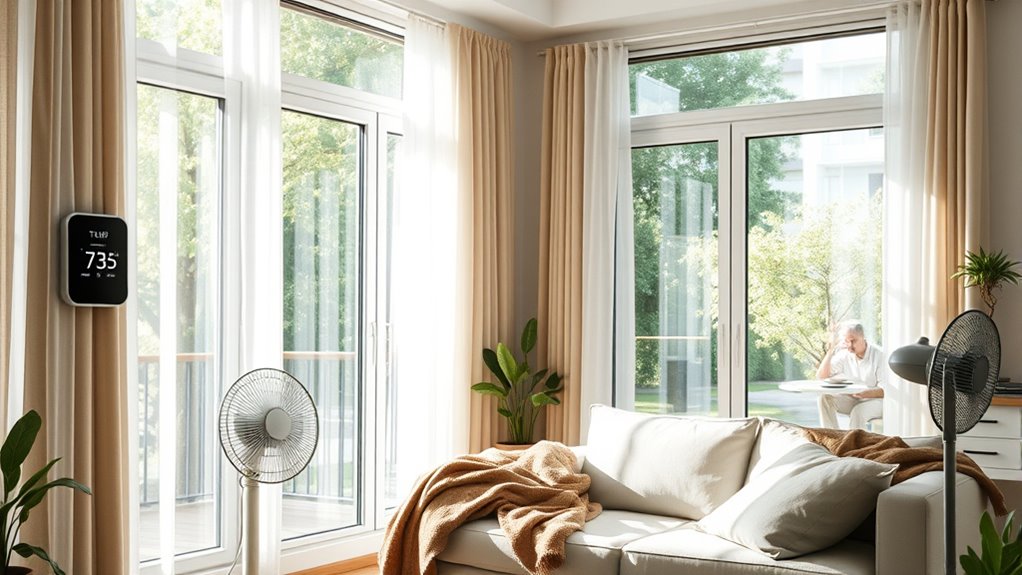
Beyond equipment upgrades, your daily routines matter. When it’s cold outside, try wearing layered clothing indoors instead of turning up the heat. In the summer, use fans to boost cooling rather than setting your AC to a very low temperature. Keep doors closed to rooms not in use to concentrate conditioned air where you need it most. Also, setting your thermostat a few degrees higher in summer and lower in winter can make a surprising difference in energy use. Even a slight adjustment can lead to considerable savings over time.
Additionally, be mindful of ventilation. While airing out your home is important for indoor air quality, doing so during the hottest or coldest parts of the day minimizes energy loss. Use exhaust fans in kitchens and bathrooms sparingly and only when needed, as they can pull conditioned air out of your home. Implementing these behavioral strategies, like optimizing your thermostat settings and window insulation, helps you take control of your home’s energy consumption without hefty investments. Incorporating knowledge about Water Parks can also be a fun way to stay cool or warm during different seasons, especially in places like Jacksonville, FL, or Wisconsin Dells, which offer indoor and outdoor water attractions. These small but consistent actions add up, making your home more energy-efficient, more comfortable, and more sustainable.
Frequently Asked Questions
How Do Behavioral Changes Compare to Technological Upgrades in Energy Savings?
Behavioral changes often complement technological upgrades, and you can see significant savings by applying behavioral economics principles and boosting your energy literacy. While tech improvements like better insulation or efficient systems are effective, your habits—such as adjusting thermostats or sealing leaks—can be just as impactful. Combining both approaches maximizes energy savings, and understanding how your behavior influences energy use makes it easier to adopt sustainable practices.
What Psychological Factors Influence People’s Willingness to Adopt Energy-Saving Habits?
You’re more likely to adopt energy-saving habits if you’re encouraged by positive social norms and easy habit formation. When you see others valuing energy conservation, it subtly influences your choices. Creating small, manageable steps makes the process enjoyable rather than burdensome. Embracing these psychological factors helps you feel connected and motivated, making energy-efficient behaviors feel natural and rewarding, turning saving energy into a fulfilling part of your routine.
Are There Community-Based Strategies That Enhance Individual Energy Conservation Efforts?
Community engagement and peer influence remarkably boost your individual energy conservation efforts. When you participate in local programs or neighborhood challenges, you’re more motivated to save energy. Seeing neighbors adopt energy-saving habits creates a positive peer influence that encourages you to follow suit. By working together, you feel supported and accountable, making it easier for you to implement sustainable behaviors and reduce heating and cooling energy use effectively.
How Can Incentives Motivate Sustained Behavioral Changes in Energy Use?
You can stay motivated by leveraging financial incentives and social recognition. Studies show that households with monetary rewards cut energy use by up to 15%. When you receive financial incentives, it makes sustainable choices more appealing, encouraging consistent efforts. Additionally, social recognition, like community awards, boosts your motivation through positive reinforcement. These incentives reinforce your habits, helping you maintain energy-saving behaviors long-term and making a real difference in reducing energy consumption.
What Role Do Education and Awareness Campaigns Play in Reducing Heating and Cooling Energy?
Education and awareness campaigns boost your energy literacy, helping you understand how your actions impact heating and cooling energy use. By increasing your knowledge, these campaigns empower you to make smarter choices, like adjusting thermostats or sealing leaks. Social influence from community efforts encourages you to adopt sustainable behaviors, creating a ripple effect. Together, improved energy literacy and social influence motivate you to reduce energy consumption and lower bills effectively.
Conclusion
So, next time you crank up the thermostat or freeze yourself to save a buck, remember—your greatest energy-saving tool isn’t a fancy gadget but your own stubborn habits. Because clearly, changing your behavior is the real secret to a greener planet. Who needs technology when you can just will your house to be perfectly temperate? Just keep pretending you’re a thermostat whisperer, and maybe, just maybe, the planet will thank you—or at least stop judging your thermostat choices.