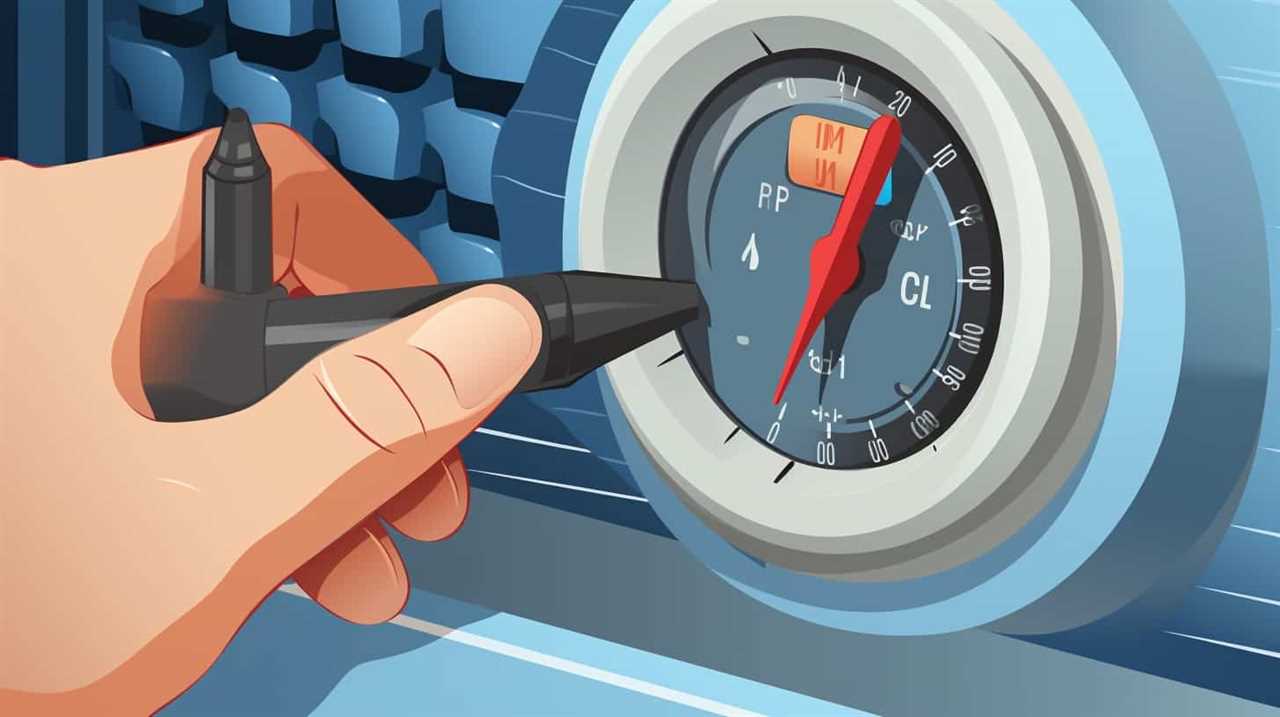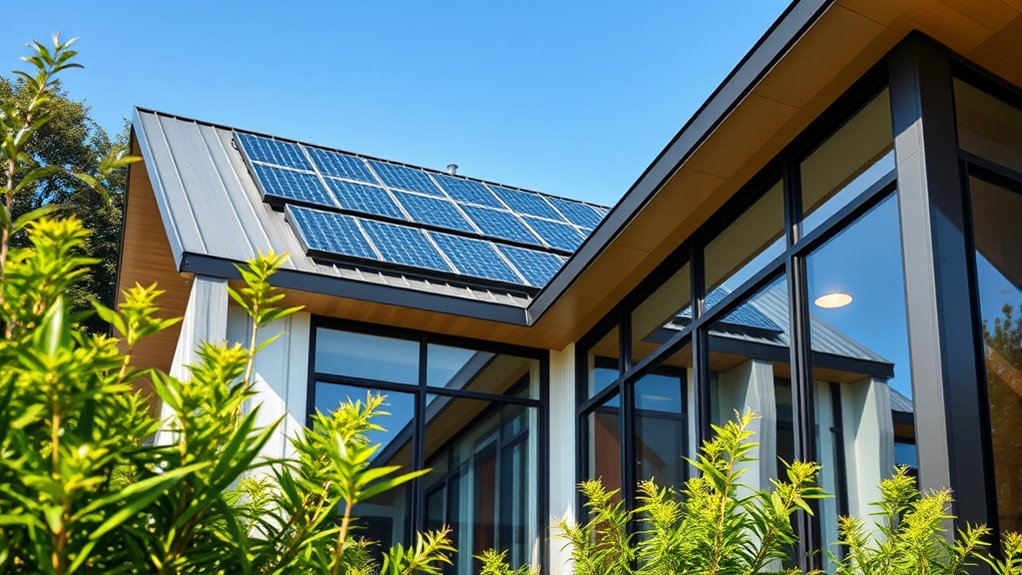

Building codes considerably impact your building’s energy efficiency by setting standards that promote sustainable construction, renewable energy use, and upgrades to existing structures. They encourage you to incorporate solar panels, improve insulation, and modernize HVAC systems, which lower energy costs and carbon emissions. By following these standards, you can enjoy safer, more efficient buildings. If you want to discover how these codes influence broader environmental efforts and ongoing improvements, there’s more to explore ahead.
Key Takeaways
- Building codes establish standards that improve construction practices, resulting in more energy-efficient and sustainable buildings.
- They mandate the inclusion of renewable energy systems, reducing reliance on fossil fuels and decreasing greenhouse gas emissions.
- Codes incentivize upgrades to existing buildings through rebates and grants, enhancing energy performance and occupant comfort.
- Continuous updates to building standards promote industry innovation and widespread adoption of renewable technologies.
- Implementing energy-efficient building codes lowers operational costs, reduces environmental impact, and supports the transition to cleaner energy.

Have you ever wondered how building codes influence the energy efficiency of your home or workplace? These regulations set the standards for construction practices, ensuring that buildings are safer, more sustainable, and less costly to operate over time. One key way they do this is by incorporating renewable standards—requirements that push builders and owners to include renewable energy systems like solar panels or wind turbines, reducing reliance on fossil fuels. When building codes emphasize renewable standards, they help create structures that generate their own clean energy, lowering greenhouse gas emissions and decreasing energy bills for occupants. This shift not only benefits the environment but also makes your property more resilient and future-proof as renewable technologies become more affordable and widespread.
In addition to promoting renewable standards, building codes often include provisions for retrofit incentives. These incentives encourage property owners to upgrade existing buildings to meet higher energy efficiency standards. For example, if your workplace was built decades ago, it might lack proper insulation, efficient windows, or modern HVAC systems. Building codes now often provide incentives, such as reduced permit fees, tax credits, or grants, to motivate you to undertake these improvements. Retrofit incentives make it financially easier for you to enhance your building’s energy performance without bearing the full cost upfront. Upgrading your building can considerably cut energy consumption, improve comfort, and increase property value. Furthermore, these incentives help bridge the gap between outdated infrastructure and contemporary efficiency standards, ensuring that older buildings don’t lag behind in sustainability efforts.
By aligning building codes with renewable standards and retrofit incentives, authorities aim to foster a culture of continuous improvement in energy efficiency. When you follow these regulations, you’re not just complying with legal requirements; you’re actively participating in a broader movement towards greener, more sustainable living and working environments. These standards push the industry to innovate, integrating renewable energy solutions into new constructions and encouraging upgrades to existing buildings. As a result, you benefit from lower energy costs, increased comfort, and a reduced carbon footprint. Building codes serve as a powerful tool to guide the transition to cleaner energy, ensuring that your property is part of a smarter, more sustainable future.
Ultimately, understanding how building codes influence energy efficiency helps you see the importance of these regulations beyond mere compliance. They’re designed to promote cleaner energy use, support retrofit incentives, and encourage renewable standards—creating a built environment that’s better for you and the planet. Embracing these standards can lead to tangible savings and a more environmentally responsible lifestyle, making your home or workplace a model of sustainability. Recognizing the role of building code standards can help you better advocate for energy-efficient policies in your community.

ECO-WORTHY 200 Watts 12 Volt/24 Volt Solar Panel Kit with High Efficiency Monocrystalline Solar Panel and 30A PWM Charge Controller for RV, Camper, Vehicle, Caravan and Other Off Grid Applications
[Wide Application]: Daily Output 800wh/day under 4 hours full sunshine condition. Perfect for RV, Caravan, Marine, Camper, Electric…
As an affiliate, we earn on qualifying purchases.
As an affiliate, we earn on qualifying purchases.
Frequently Asked Questions
How Do Building Codes Vary Between Different Regions?
You’ll notice regional variations in building codes based on climate, local resources, and energy priorities. In colder regions, codes emphasize insulation and heating efficiency, while warmer areas focus on cooling and ventilation. Code enforcement also varies, with some regions strictly monitoring compliance, and others more lenient. These differences ensure buildings are optimized for local conditions, helping you save energy and reduce costs in your area.
Are Older Buildings Required to Meet New Energy Standards?
Older buildings aren’t typically required to meet new energy standards unless you’re doing significant renovations or upgrades. Historical compliance often allows for exceptions, but as codes evolve, many jurisdictions encourage or incentivize upgrades to improve energy efficiency. You should check local regulations, as some areas mandate certain updates during major renovations to align with current code evolution, helping to boost energy performance even in older structures.
What Incentives Exist for Complying With Energy-Efficient Building Codes?
Did you know that over 60% of states offer financial incentives to encourage policy compliance? These incentives include tax credits, rebates, and grants, making it easier for you to adopt energy-efficient building codes. By taking advantage of these programs, you not only reduce your energy costs but also contribute to sustainability efforts. Ensuring policy compliance becomes more appealing when financial benefits are clearly in reach, motivating you to upgrade your building practices.
How Do Building Codes Influence Renewable Energy Integration?
Building codes influence renewable energy integration by requiring features like solar integration and building automation systems. You’re encouraged to install solar panels to meet code standards, which promotes renewable energy use. Building automation helps optimize energy consumption, supporting sustainability goals. By adhering to these codes, you ensure your building efficiently incorporates renewable energy solutions, reducing costs and environmental impact while complying with regulations.
What Training Is Available for Builders on New Code Requirements?
You can access a variety of training resources and certification programs to stay updated on new code requirements. Many industry organizations, such as the ICC and local trade associations, offer workshops, online courses, and certification options. These programs help you understand changes, improve your skills, and guarantee compliance. By participating, you’ll stay current with evolving standards and confidently incorporate new building code requirements into your projects.
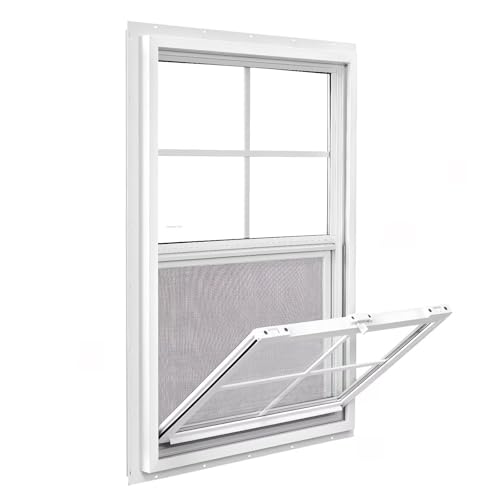
COLORPAPA Vinyl Single Hung Window, 24" x 36" Household Sliding Window with Double-Pane Insulated Tempered Glass, Lower Tilt Sash Screen Included Window for House, Mobile Home (White)
Energy-Efficient Double-Pane Design: Constructed with high-quality vinyl and clear double-pane insulated glass, our single hung windows provide excellent…
As an affiliate, we earn on qualifying purchases.
As an affiliate, we earn on qualifying purchases.
Conclusion
By adhering to building codes, you can markedly boost energy efficiency. For example, buildings that meet modern standards use up to 30% less energy, cutting costs and emissions. This shows that strong codes aren’t just rules—they’re powerful tools for sustainability. When you prioritize these standards, you’re not only saving money but also helping protect the environment for future generations. Embracing building codes is a smart move toward a greener, more efficient future.

VTG VOGTEN 4.5 CFM AC Vacuum Pump and Gauge Set,for Mini Split/HVAC/Auto Systems,Manifold Gauge Kit Fits R134a R22 R410a R404a,with Leak Detector,Upgraded Trifold Storage Case,3 Hoses,R134a Can Tap
HVAC Vacuum Pump Kit: This AC vacuum pump and gauge set includes a 1/3 HP 4.5 CFM Single…
As an affiliate, we earn on qualifying purchases.
As an affiliate, we earn on qualifying purchases.

AGHITG Reflective Insulation Foam,48" x 10 Ft Window Insulation for Summer Heat,Aluminum Foil Bubble Insulation Roll for Keep Heat,Window Insulation Kit for RV, Thermal Insulation Cover for Window.
AlUMINUM REFLECTIVE INSULATION ROLL SIZE: 48''(W) x 10Ft (L), Easy to cut that can cater to all your…
As an affiliate, we earn on qualifying purchases.
As an affiliate, we earn on qualifying purchases.