
TL;DR

Get backup power and energy gear delivered free — and shop member deals
- Fast, free delivery on millions of items
- Access to Prime Big Deal Days deals on October 6–7
- Prime Video, Amazon Music and more included
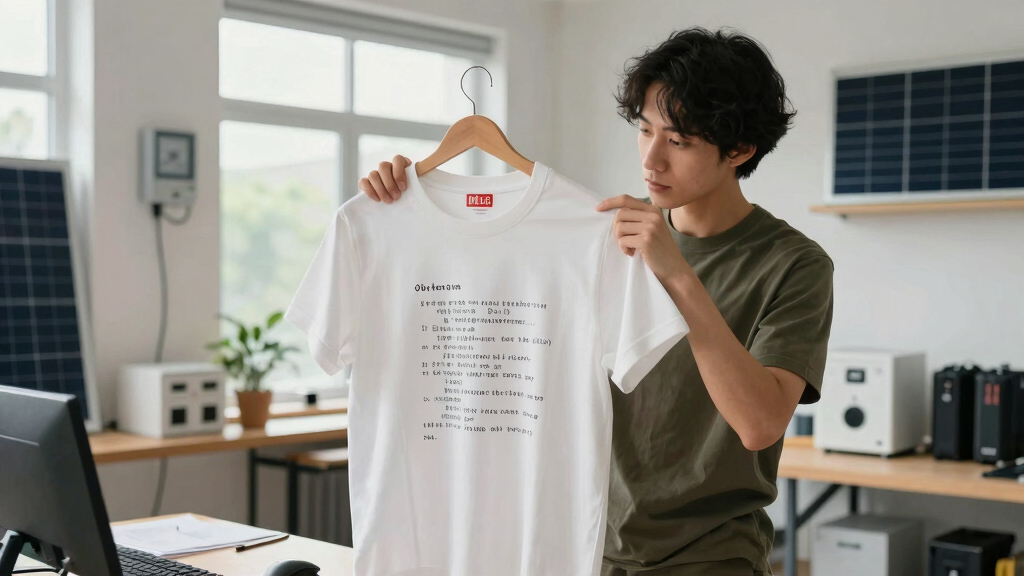
A Uniqlo t-shirt features an obfuscated bash script printed on its fabric. Experts have begun analyzing the script to determine its content and intent. The discovery raises questions about the shirt’s design and potential hidden messages.
A Uniqlo t-shirt has been found featuring a printed, obfuscated bash script, sparking immediate interest among cybersecurity experts and fashion enthusiasts alike. The script’s presence on apparel is unusual and has prompted questions about its origin, purpose, and potential hidden messages. This discovery is significant because it intersects fashion, technology, and digital security, raising awareness about embedded digital content in everyday items.
The t-shirt, which was purchased from a Uniqlo store in Tokyo, displays a complex, heavily obfuscated bash script printed across its fabric. The script was first noticed by a cybersecurity researcher who shared images of the shirt online. Experts quickly began analyzing the code to decode its content, which appears to be a shell script with multiple layers of obfuscation designed to conceal its true purpose.
Initial analysis by cybersecurity professionals suggests that the script could be a benign demonstration or a form of digital art, but some have raised concerns about the potential for malicious payloads or hidden messages. Uniqlo has not issued an official statement about the shirt or the script, and the manufacturer has not disclosed whether this was an intentional design or an unauthorized modification.
The script’s obfuscation uses common techniques such as variable name mangling, base64 encoding, and command chaining, making manual decoding challenging. Researchers are working to decode the script fully to understand whether it contains malicious code, a message, or a form of digital watermarking.
Implications of Embedding Digital Code in Clothing Designs
This discovery highlights the potential for integrating digital or encrypted content into physical products, blending fashion with technology. If malicious or hidden messages are embedded in such ways, it could pose security risks or privacy concerns. Conversely, it could also represent an innovative form of digital art or branding, opening new avenues for designers and technologists.
The incident raises awareness about the need for manufacturers and consumers to consider the presence of embedded digital content in everyday items, especially as wearable technology and smart textiles evolve. It also prompts discussions about intellectual property, digital watermarking, and cybersecurity in the context of consumer products.
As an affiliate, we earn on qualifying purchases.
Background on Digital Content in Fashion and Art
Embedding digital or encrypted content into physical items is not new; artists and technologists have experimented with printed QR codes, NFC tags, and augmented reality features. However, embedding executable scripts directly into clothing fabric is unprecedented and indicates a new frontier in wearable digital art or security features.
The trend toward integrating technology into fashion has accelerated with the rise of smart textiles and connected clothing. This case marks a rare instance where a script—rather than a simple QR code or NFC chip—appears printed on fabric, raising questions about intentional design versus unauthorized modification.
Prior similar incidents include the use of printed QR codes that link to digital content or authentication features, but a fully obfuscated bash script is a novel development, prompting experts to analyze its potential uses or risks.
“We are currently investigating this matter and have no comment at this time regarding the design or origin of the printed content.”
— Uniqlo spokesperson
smart textiles with embedded technology
As an affiliate, we earn on qualifying purchases.
As an affiliate, we earn on qualifying purchases.
Decoding Status and Potential Risks Unclear
While cybersecurity experts are actively analyzing the script, the full content and intent remain unconfirmed. It is not yet clear whether the script is malicious, a digital watermark, or an art piece. There is also no official confirmation from Uniqlo or the designer about whether this was an authorized feature or an unauthorized modification.
Potential risks associated with the script, such as malware or privacy concerns, are still speculative until decoding is complete and the origin is clarified.
As an affiliate, we earn on qualifying purchases.
Ongoing Analysis and Manufacturer Response Expected
Cybersecurity researchers continue working to decode the script fully and assess its purpose. Meanwhile, Uniqlo is expected to issue a statement once they complete their internal investigation. Future steps may include clarifying whether this was an intentional design, a security feature, or an unauthorized modification.
Further analysis might also explore whether similar instances exist in other apparel or products, and whether this signals a new trend in embedding digital content into clothing.
As an affiliate, we earn on qualifying purchases.
Key Questions
Why was a bash script printed on a t-shirt?
The reason is currently unknown. It could be an artistic statement, a security feature, or an unauthorized modification. Experts are analyzing the script to determine its purpose.
Is there a security risk from this script?
It is not yet clear. The script is obfuscated, and decoding is ongoing. Until its content is understood, potential risks cannot be confirmed.
Has Uniqlo commented on this discovery?
Uniqlo has not issued an official statement. The company is reportedly investigating the matter.
Could this lead to more wearable digital content?
Possibly. This incident highlights the potential for integrating digital or encrypted content into clothing, which could become more common in future fashion and tech collaborations.
Source: hn
Fall Picks
fall essentials
As an affiliate, we earn on qualifying purchases.