To upgrade your home efficiently with ENERGY STAR, start with an energy audit to spot key issues like poor insulation or outdated appliances. Then, incorporate upgrades such as smart thermostats, ENERGY STAR-rated appliances, and solar panels to boost energy savings. Improving insulation and sealing leaks also helps. Combine these steps for the best results and explore available incentives to cut costs. Keep going to discover how each step can make your home more sustainable and cost-effective.
Key Takeaways
- Conduct an energy audit to identify inefficiencies and prioritize upgrades effectively.
- Upgrade to ENERGY STAR-rated appliances, lighting, and insulation for improved efficiency.
- Install a smart thermostat to optimize heating and cooling automatically.
- Integrate solar panels to generate renewable energy and reduce reliance on the grid.
- Combine multiple upgrades and leverage incentives for comprehensive, cost-effective home efficiency.
Upgrading your home to meet ENERGY STAR standards is a smart way to save energy, reduce your utility bills, and help protect the environment. One of the most effective steps you can take is installing smart thermostats. These devices allow you to control your heating and cooling systems remotely, set schedules, and optimize energy use based on your daily routines. With smart thermostats, you can avoid unnecessary energy consumption when you’re away or asleep, leading to noticeable savings over time. They often come with features like learning your preferences and adjusting temperatures automatically, which enhances comfort without wasting energy. Pairing a smart thermostat with your existing HVAC system is straightforward and provides an immediate boost toward energy efficiency.
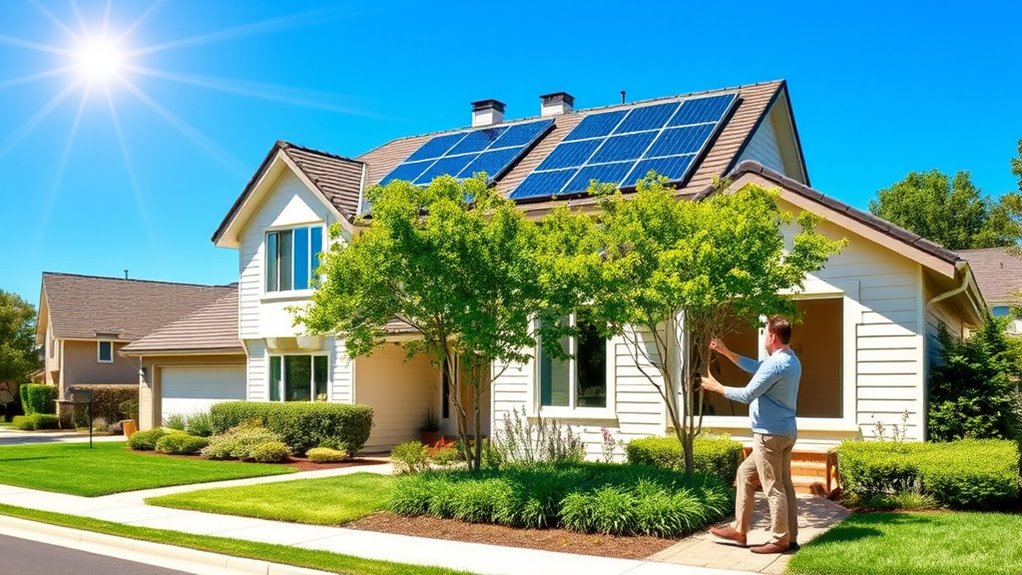
Another key upgrade is solar panel integration. Solar panels harness the sun’s energy, reducing reliance on grid electricity and lowering your carbon footprint. When combined with ENERGY STAR-rated appliances and insulation, solar power can dramatically cut your energy bills. Installing solar panels might seem intimidating at first, but many providers now offer streamlined options and incentives that make the process easier and more affordable. Once set up, solar panels generate clean electricity, and any excess power can often be fed back into the grid for credits, further reducing costs. Integrating solar technology not only supports your sustainability goals but also adds value to your home.
Before jumping into these upgrades, conduct an energy audit to identify inefficiencies in your home. An audit provides insights into where you’re losing energy, such as through poorly insulated windows or outdated appliances. Addressing these issues guarantees that investments in smart thermostats and solar panels deliver maximum benefits. Upgrading to ENERGY STAR appliances and lighting can also complement these efforts, creating a thorough approach to efficiency.

ecobee Smart Thermostat Essential – Energy Star Certified programmable Wi-Fi Thermostat – Works with Siri, Alexa, and Google Assistant
Save up to 23% every year on heating and cooling costs, adjusts to your set schedule to save…
As an affiliate, we earn on qualifying purchases.
As an affiliate, we earn on qualifying purchases.
Frequently Asked Questions
How Much Can I Save Annually With ENERGY STAR Upgrades?
You can save up to $500 or more annually with ENERGY STAR home upgrades. These improvements boost your home’s energy efficiency, reducing your energy bills considerably. By upgrading insulation, windows, and appliances, you cut down on wasted energy, leading to substantial cost savings over time. The more energy-efficient your home becomes, the more you save each year, making it a smart investment for your finances and the environment.
Are There Specific Rebates for ENERGY STAR Home Improvements?
Think of rebates like hidden treasures waiting for you to find. Yes, there are specific rebates for energy star home improvements, but you need to meet certain program requirements to qualify. Rebate eligibility varies by location and project type, so check with local programs or utility providers. By understanding these requirements, you can access savings that make your upgrades more affordable and efficient, helping your home shine brighter.
How Long Does a Typical ENERGY STAR Upgrade Process Take?
The typical Energy Star upgrade process takes about 2 to 4 weeks, depending on your project timeline and contractor scheduling. You’ll want to coordinate with your contractor early to make certain of timely completion. The process includes assessment, planning, purchasing, and installation. Delays can happen if scheduling conflicts or supply chain issues arise, so staying proactive and maintaining good communication helps keep your upgrade on track.
Can I Upgrade My Appliances to ENERGY STAR After Renovations?
Like turning the tide, you can upgrade your appliances to ENERGY STAR even after renovations. Just check appliance compatibility first, ensuring they fit your space and meet efficiency standards. Retrofit considerations come into play if your current wiring or systems need adjustments to support new appliances. With careful planning, you can enjoy the benefits of energy savings and environmental impact, making your home smarter and greener, no matter the renovation stage.
What Maintenance Is Required to Keep ENERGY STAR Certifications?
To keep your ENERGY STAR certification, you need regular maintenance like scheduling an HVAC system check-up and insulation inspection annually. You should also replace filters regularly and make certain your system is running efficiently. Keep an eye on energy bills for unusual increases. Proper upkeep ensures your appliances and systems stay energy-efficient, maintaining your home’s certification and saving you money in the long run.

ECO-WORTHY 4.68KWH Solar Power Complete Kit 1200W 48V with Lithium Battery and Inverter for Home: 6pcs 195W N-Type Bifacial Solar Panels + 1pc 48V 50Ah Li-Battery + 3500W Solar Charger Inverter
[Ideal Output Power-4.68Wh/day]: This 1200W solar panel complete system generates about 4.68KWh per day under 4 hours full…
As an affiliate, we earn on qualifying purchases.
As an affiliate, we earn on qualifying purchases.
Conclusion
So, after all this effort, you might think your home will be perfect. But don’t be surprised if those energy savings somehow slip away—maybe the new appliances decide to be high-maintenance, or the weather throws a curveball. Remember, even the most efficient home isn’t immune to life’s little surprises. Still, it’s worth the upgrade—because at least you’ll be able to say you gave it your best shot, even if perfection remains just out of reach.

KAZE APPLIANCE SNP100 | 100 CFM | 0.8 Sone | Energy Star Certified | No Attic Access Required | Bathroom Ventilation Exhaust Extractor Fan
CR SMART BUY – Rated on Consumer Reports’ “Best Bathroom Exhaust Fans of 2024” list, the Kaze Appliance…
As an affiliate, we earn on qualifying purchases.
As an affiliate, we earn on qualifying purchases.

BEEST FullStop Spray Foam Insulation Kit for Walls and Attic – 240 Board ft/sq.ft. Perfect Heat & Acoustic Insulation for Reduced Energy Bills – 12x Spray Foam Can, 1 Cleaner, Pro X Gun & Safety Gear
Beest FullStop DIY Spray Foam Insulation Kit: Our spray foam insulation delivers exceptional thermal insulation and soundproofing, achieving…
As an affiliate, we earn on qualifying purchases.
As an affiliate, we earn on qualifying purchases.