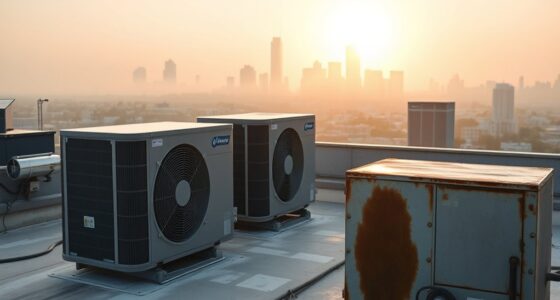
When it comes to operating heat pumps, we have everything you need.
In this article, we’ll delve into essential techniques for maximizing efficiency and saving energy.
From understanding efficiency ratings to optimizing settings and maintaining proper insulation, we’ll provide you with the knowledge you need to boost your heat pump’s performance.
Plus, we’ll explore advanced technology solutions that can take your heat pump efficiency to the next level.
Get ready to make the most out of your heat pump!
Key Takeaways
- Heat pump efficiency is measured by HSPF for heating and SEER for cooling.
- Optimizing heat pump settings for energy savings can reduce energy consumption and extend the heat pump’s lifespan.
- Proper insulation and air sealing are crucial for heat pump efficiency.
- Regular maintenance and cleaning are important for improved heat pump performance.

Jackery Solar Generator 1000 v2 and 200W Solar Panel,1070Wh,1500W AC
- Powerful AC Output: 1500W continuous, 3000W surge
- Lightweight & Portable: 23.8 lbs with foldable handle
- Fast Charging: 0-100% in 1 hour via app
As an affiliate, we earn on qualifying purchases.
Understanding Heat Pump Efficiency Ratings
We’ll now delve into the topic of heat pump efficiency ratings. Understanding heat pump efficiency is crucial for maximizing energy savings and ensuring optimal performance.
Heat pump efficiency standards are measured by the Heating Seasonal Performance Factor (HSPF) for heating efficiency and the Seasonal Energy Efficiency Ratio (SEER) for cooling efficiency. These ratings indicate the amount of heating or cooling output provided by the heat pump compared to the energy it consumes.
Several factors affect heat pump efficiency, including the size and capacity of the unit, outdoor temperature, insulation levels, and proper installation and maintenance. By considering these factors, homeowners can make informed decisions when selecting a heat pump and ensure efficient operation.
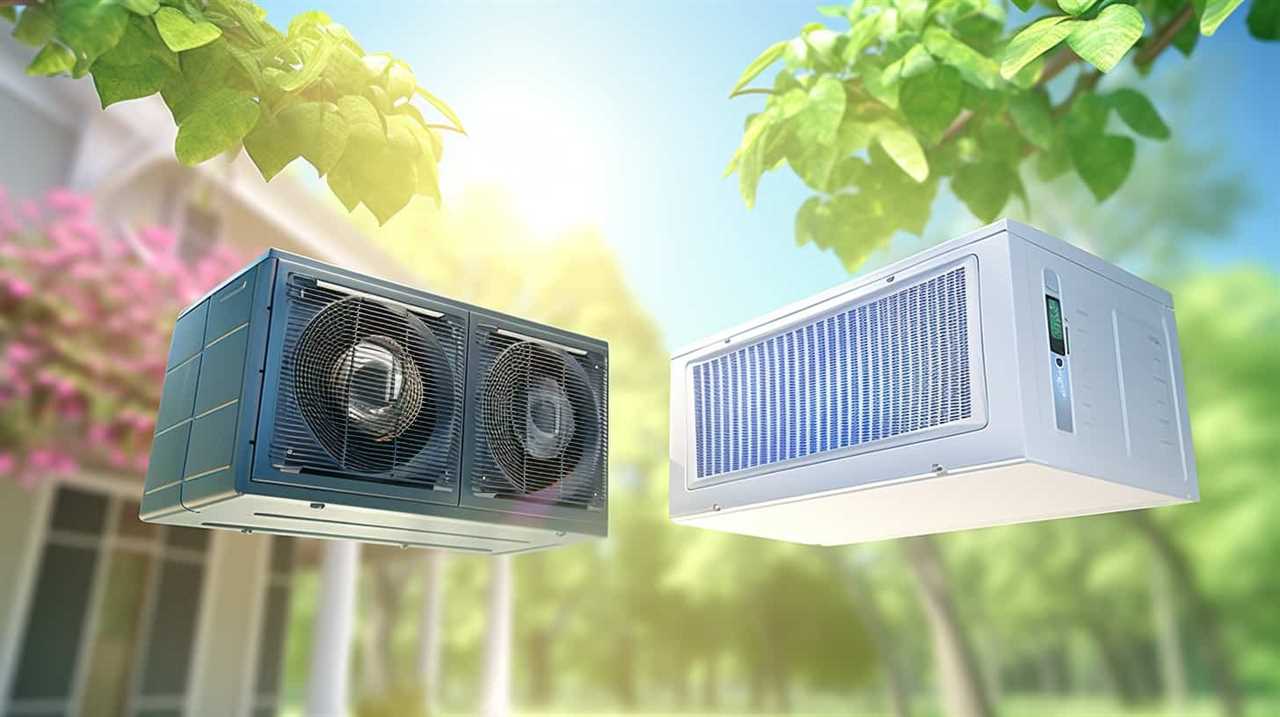
Now, let’s move on to the next section to explore ways to optimize heat pump settings for energy savings.

DELLA Econo Series 23000 BTU Mini Split Air Conditioner 17 SEER2, 230V Cools up to 1500 Sq. Ft, Works with Alexa and Wifi, Heater Ductless Inverter System with Heat Pump,16.4ft Installation Kit
- Energy Efficient Cooling: 17 SEER2 inverter heat pump system
- Large Coverage Area: Cools and heats up to 1500 sq. ft.
- Works in Cold Temperatures: Operates down to 5°F (-15°C)
As an affiliate, we earn on qualifying purchases.
Optimizing Heat Pump Settings for Energy Savings
To achieve energy savings, we can optimize the settings of our heat pump. One of the key components in achieving optimal performance is the heat pump thermostat settings. By setting the thermostat to the most efficient temperature range, we can ensure that the heat pump operates at its highest efficiency level.
It’s recommended to set the thermostat to the lowest comfortable temperature during the winter and the highest comfortable temperature during the summer. This won’t only save energy but also reduce the strain on the heat pump unit.
Additionally, it’s important to schedule regular maintenance checks to ensure that the heat pump is functioning optimally. By optimizing the heat pump settings and maintaining regular maintenance, we can maximize energy savings and prolong the lifespan of the heat pump.


ECO-WORTHY Powermega 48V 314Ah(2 Pack) LiFePO4 Energy Storage System with Liber 10KP 10kW Hybrid Inverter, Active Balancing BMS, Battery Built-in Bluetooth&WiFi, Communication for Off-Grid&Home Backup
- Home Backup Capacity: 30kWh+ energy storage with inverter
- Communication & Monitoring: WiFi, Bluetooth, RS485, CAN, RS232
- Real-Time System Access: LCD display for voltage, SOC, cycles
As an affiliate, we earn on qualifying purchases.
Proper Insulation and Air Sealing for Heat Pump Efficiency
Our heat pump efficiency can be significantly improved by ensuring proper insulation and air sealing throughout our home. By implementing energy efficient construction and weatherization techniques, we can enhance the performance of our heat pump system and reduce energy waste. Here are four key considerations for proper insulation and air sealing:
-
Insulate the walls, ceilings, and floors: By adding insulation to these areas, we can minimize heat loss or gain, creating a more stable indoor temperature and reducing the workload on the heat pump.
-
Seal air leaks: Identify and seal any gaps or cracks in windows, doors, and walls to prevent air leakage. This will help maintain a consistent temperature and avoid unnecessary energy consumption.
-
Insulate ductwork: Properly insulating the ductwork can prevent heat loss or gain, ensuring that the conditioned air reaches its intended destination efficiently.

-
Install weatherstripping: Weatherstripping around windows and doors can prevent drafts and improve the overall insulation of the home.

Renogy Inverter P2 3000W, 12V to 110V Pure Sine Wave Solar Car Power Inverter, DC to AC Converter with 16.4FT Remote Control for RV, Truck, Camping, Home Backup, Outdoor, Emergency, Off-Grid Living
- Power Output: 1000W continuous, 2000W surge
- Pure Sine Wave: Provides grid-like quality AC power
- Electronics Protection: Over-voltage, under-voltage, overload, over-temperature protection
As an affiliate, we earn on qualifying purchases.
Regular Maintenance and Cleaning for Improved Heat Pump Performance
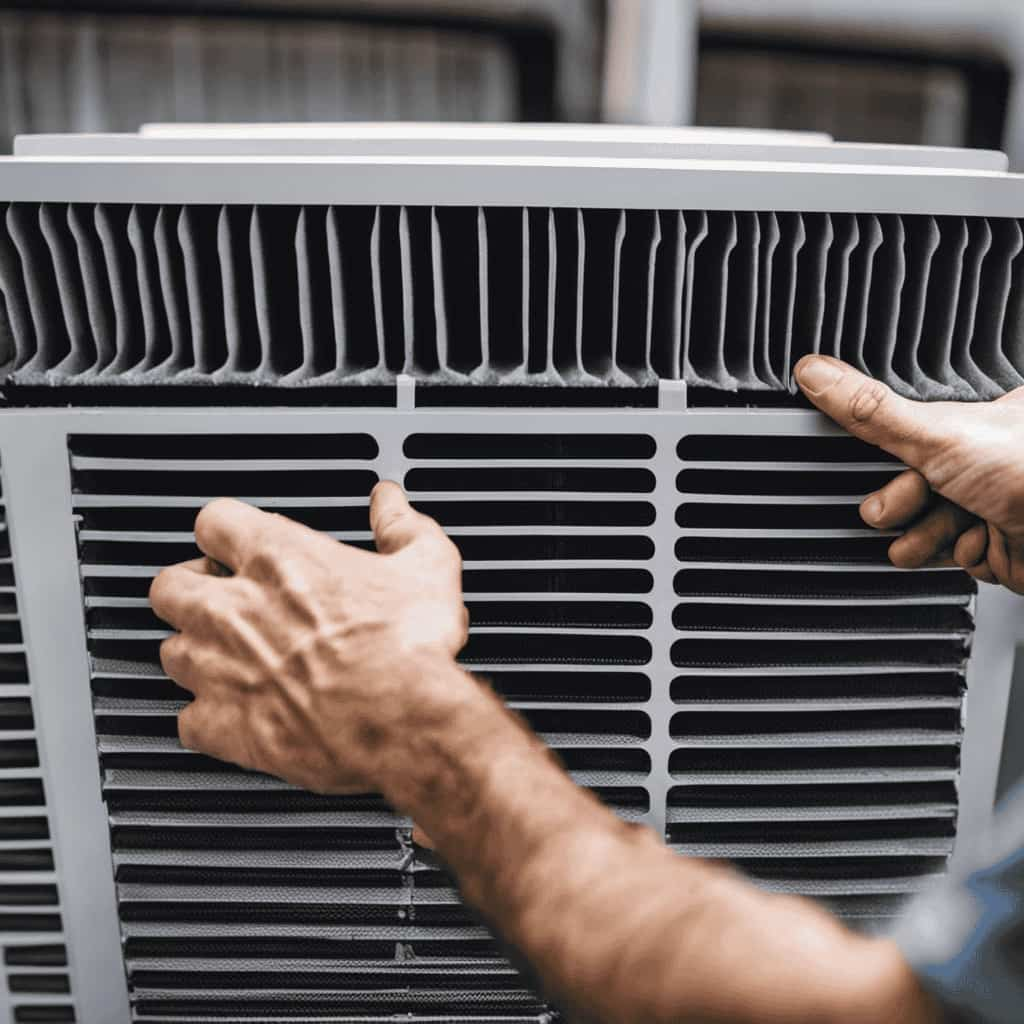
Regularly inspecting and cleaning our heat pump is essential to ensure optimal performance and efficiency. Proper maintenance not only extends the lifespan of the unit but also helps prevent costly repairs.
Here are some maintenance tips and a troubleshooting guide to keep your heat pump running smoothly.
-
Clean or replace the air filters every 1-3 months to maintain airflow and improve indoor air quality.

-
Check the outdoor unit for debris, such as leaves or dirt, and remove them to prevent airflow obstruction.
-
Inspect the fan blades for any damage or imbalance and tighten them if necessary.
-
Lubricate the motor and other moving parts according to the manufacturer’s instructions.
-
Test the thermostat and calibrate it if needed to ensure accurate temperature control.
-
Clean the evaporator and condenser coils to remove dirt and debris that can hinder heat transfer.
Advanced Technology Solutions for Enhanced Heat Pump Efficiency
With advanced technology solutions, we can enhance the efficiency of our heat pump. By incorporating smart controls and geothermal systems into our heat pump setup, we can achieve significant energy savings and improved performance.
Here are four advanced technology solutions that can enhance the efficiency of our heat pump:
-
Smart Controls: Utilizing intelligent thermostats and control systems can optimize the operation of our heat pump by adjusting settings based on occupancy, weather conditions, and energy demand.

-
Variable Speed Compressors: Heat pumps equipped with variable speed compressors can adjust their output to match the heating or cooling needs, resulting in better efficiency and comfort.
-
Geothermal Systems: By harnessing the stable temperature of the earth, geothermal heat pump systems can achieve higher efficiencies compared to air-source heat pumps, especially in extreme climates.
-
Heat Recovery Ventilation: Integrating a heat recovery ventilation system with our heat pump can recover and reuse the heat from exhaust air, reducing the need for additional heating or cooling.
Frequently Asked Questions
Are Heat Pumps Suitable for All Types of Homes or Buildings?
Yes, heat pumps are suitable for most types of homes or buildings. They offer efficient heating and cooling solutions and can be customized to meet specific needs. Heat pump compatibility will depend on factors like size, insulation, and climate conditions.
Can a Heat Pump Be Used as the Sole Source of Heating and Cooling in a Property?
Using a heat pump as the sole source of heating and cooling has pros and cons. Factors to consider include climate, insulation, and cost. It’s important to evaluate these before deciding if a heat pump is suitable for a property.
How Long Does a Typical Heat Pump System Last Before Needing to Be Replaced?
On average, a heat pump system lasts 15-20 years before replacement. Signs of a failing heat pump include reduced heating or cooling capacity, increased energy consumption, and unusual noises. Regular maintenance can extend its lifespan.
What Are the Potential Drawbacks or Limitations of Using a Heat Pump?
When it comes to heat pumps, we must consider the potential drawbacks and limitations. Efficiency concerns and the environmental impact are important factors to address. Let’s explore these issues in more detail.
Are There Any Government Incentives or Rebates Available for Installing a Heat Pump System?
Yes, there are government incentives and heat pump rebates available for installing a heat pump system. These programs vary by location and may offer financial assistance to help offset the cost of installation.

Conclusion
In conclusion, by understanding heat pump efficiency ratings, optimizing settings, ensuring proper insulation and air sealing, and regularly maintaining and cleaning the system, we can greatly enhance the efficiency of heat pump operation.
Additionally, advanced technology solutions can further improve performance. By implementing these techniques, we can maximize energy savings, reduce environmental impact, and enjoy the benefits of efficient heat pump operation.