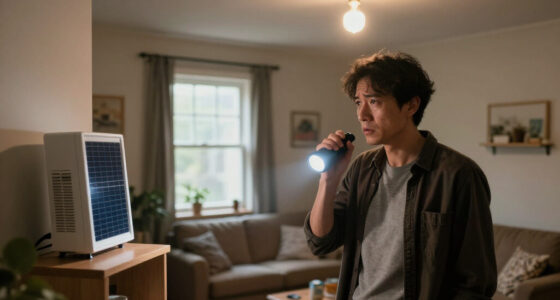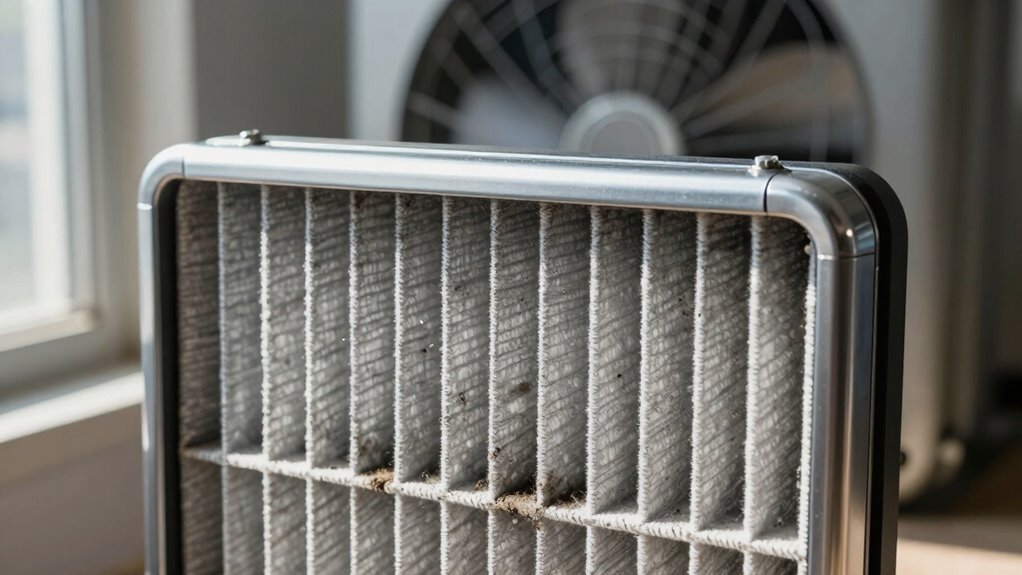

If you install a higher-quality filter without considering your HVAC system’s airflow limits, your system has to work harder to push air through the denser material. This increased resistance strains the blower, making it run longer and more often, which raises energy use. Ignoring airflow can also cause uneven air distribution and system wear. Want to understand how balancing filtration and airflow can save you energy and keep your system running smoothly? Keep going to learn more.

Get backup power and energy gear delivered free with Prime
- Fast, free delivery on millions of items
- Prime Video, Amazon Music and more included
- Member-only deals all year
Key Takeaways
- Higher-quality filters increase airflow resistance, causing the HVAC system to work harder and consume more energy.
- Ignoring airflow limitations can lead to pressure drops and uneven air distribution, increasing system workload.
- Denser filters can cause the blower to operate longer or more frequently, raising energy costs.
- Poor airflow management due to high-resistance filters strains system components, reducing efficiency and increasing power use.
- Overlooking airflow impact can negate filtration benefits, leading to higher energy consumption and system wear.
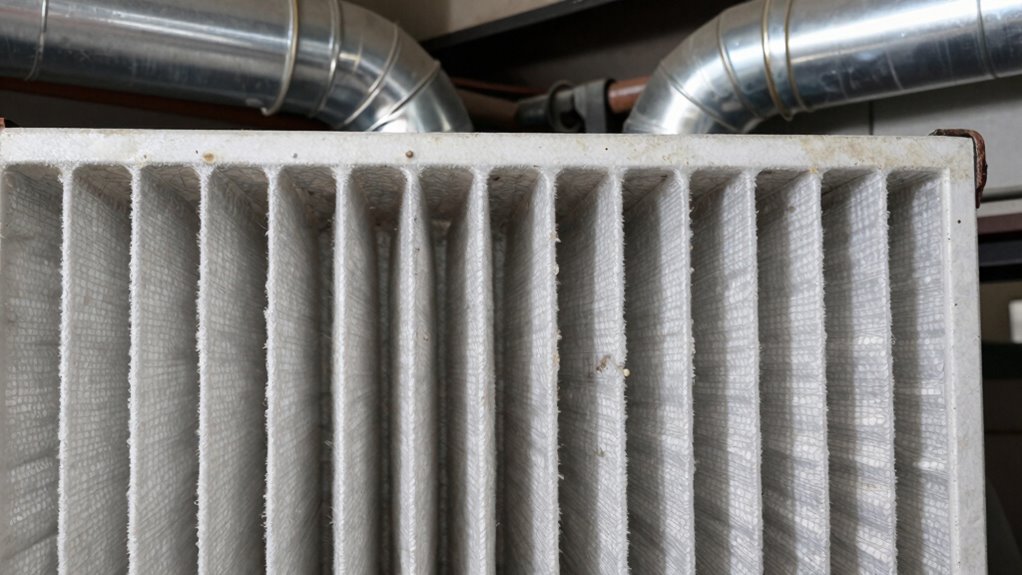
A better air filter might seem like a straightforward upgrade, but if you ignore airflow, it can actually lead to increased energy use. While higher-quality filters boost filtration efficiency by trapping smaller particles, they often come with increased resistance to airflow. This means your HVAC system has to work harder to push air through the denser filter material, which raises energy consumption. You might think that a more efficient filter is always better, but if your system isn’t designed to handle the increased airflow resistance, it can cause your energy bills to spike rather than drop.
Choosing a better filter without considering airflow can increase energy costs and strain your HVAC system.
When you choose a filter with superior filtration efficiency, you’re improving air quality and reducing the amount of dust, pollen, and other airborne particles circulating in your space. That’s a clear benefit, especially if you suffer from allergies or respiratory issues. However, if the filter has a high MERV (Minimum Efficiency Reporting Value) rating without considering your system’s capabilities, it can create a significant airflow restriction. This increased resistance forces your HVAC blower to work harder to maintain the same airflow rate, leading to higher energy consumption. Over time, this extra effort can cause your system to run longer and more frequently, negating the energy savings you might expect from the improved filtration.
It’s essential to match the filtration efficiency of your filter with your system’s design and airflow specifications. If you install a filter that’s too dense for your unit, you risk overloading the system, which not only increases energy use but can also cause wear and tear on components. Conversely, using a filter that’s too thin or insufficiently rated may not provide the filtration benefits you desire, making the upgrade ineffective. Striking the right balance involves understanding your system’s airflow capacity and choosing a filter that enhances filtration efficiency without creating excessive resistance. Additionally, proper airflow is crucial for maintaining system longevity and optimal performance. Properly managing airflow resistance can prevent unnecessary strain on your system and ensure consistent operation. Poor airflow can also contribute to air pressure imbalance within your system, affecting overall efficiency.
Ignoring airflow considerations when upgrading your filter can also lead to uneven air distribution and reduced comfort in your space. Your HVAC system is designed to circulate air efficiently, but a high-resistance filter can create pressure drops that impact airflow throughout your home or office. This imbalance can cause some areas to be less ventilated or warmer, forcing your system to run longer to compensate, again increasing energy consumption. To prevent this, you need to assess your system’s airflow limits and select a filter that offers high filtration efficiency without compromising airflow. Properly balancing filtration and airflow ensures you get cleaner air without unnecessarily raising your energy bills. Additionally, understanding your system’s airflow capacity can help prevent cabling failures and other issues associated with improper system upgrades.
HVAC air filter with high MERV rating
As an affiliate, we earn on qualifying purchases.
As an affiliate, we earn on qualifying purchases.
Frequently Asked Questions
Can a Better Filter Improve Indoor Air Quality Without Increasing Energy Use?
Yes, a better filter can improve your indoor air quality without increasing energy use if you choose one with proper filter performance designed for efficient airflow. When you select a high-quality filter that balances filtration and airflow, your system runs smoothly, removing pollutants effectively without needing extra energy. Regularly maintaining and replacing the filter guarantees peak air quality and energy efficiency, keeping your indoor environment healthy without unnecessary power consumption.
What Are Signs of Airflow Restriction Caused by High-Efficiency Filters?
You’ll notice airflow restriction signs like reduced airflow from vents, increased energy bills, or your HVAC working harder. Check filter compatibility to make sure it fits properly and doesn’t block airflow. Airflow sensors can detect pressure drops caused by high-efficiency filters, alerting you to possible restrictions. If you experience these issues, consider switching to a filter designed for your system’s airflow capacity, preventing energy waste and maintaining indoor comfort.
How Often Should Filters Be Replaced to Prevent Increased Energy Consumption?
Think of your filter as the heartbeat of your system—keep it healthy, and everything runs smoothly. You should replace filters every 1 to 3 months, depending on usage and environment, to maintain peak airflow and efficiency. Regular replacement extends your filter’s lifespan and prevents energy drain caused by clogged filters. Don’t wait for signs of trouble; stick to a consistent replacement frequency to keep your system humming efficiently.
Do Different HVAC Systems Handle High-Efficiency Filters Differently?
Yes, different HVAC systems handle high-efficiency filters differently because of variations in filter materials and system compatibility. Some systems are designed to work with thicker, denser filters, while others may struggle with increased airflow resistance. You need to check your system’s specifications to make sure it can accommodate high-efficiency filters without reducing airflow or overworking the system, which can lead to higher energy use and potential damage.
What Maintenance Practices Help Optimize Airflow and Energy Efficiency?
Think of your HVAC system as a well-tuned orchestra. Regularly replace filtration materials to prevent clogging, which can cause airflow resistance. Clean or replace filters monthly, especially during heavy use. Check and clear vents and ducts of dust and debris. Maintaining a balance between filtration and airflow guarantees your system runs smoothly, saving energy and improving indoor air quality. Proper upkeep keeps your HVAC system performing at its best.
airflow balancing damper for HVAC
As an affiliate, we earn on qualifying purchases.
As an affiliate, we earn on qualifying purchases.
Conclusion
So, next time you upgrade your filter, remember that ignoring airflow can backfire, increasing energy use instead of saving it. Have you considered how a higher-quality filter might actually make your system work harder if airflow isn’t properly balanced? It’s tempting to focus solely on filtering efficiency, but the real magic happens when you optimize airflow alongside. Don’t let a better filter turn into a hidden energy drain—think airflow first, and enjoy both cleaner air and lower energy bills.
As an affiliate, we earn on qualifying purchases.
As an affiliate, we earn on qualifying purchases.
Halloween Picks
halloween
As an affiliate, we earn on qualifying purchases.