
TL;DR

Get backup power and energy gear delivered free with Prime
- Fast, free delivery on millions of items
- Prime Video, Amazon Music and more included
- Member-only deals all year
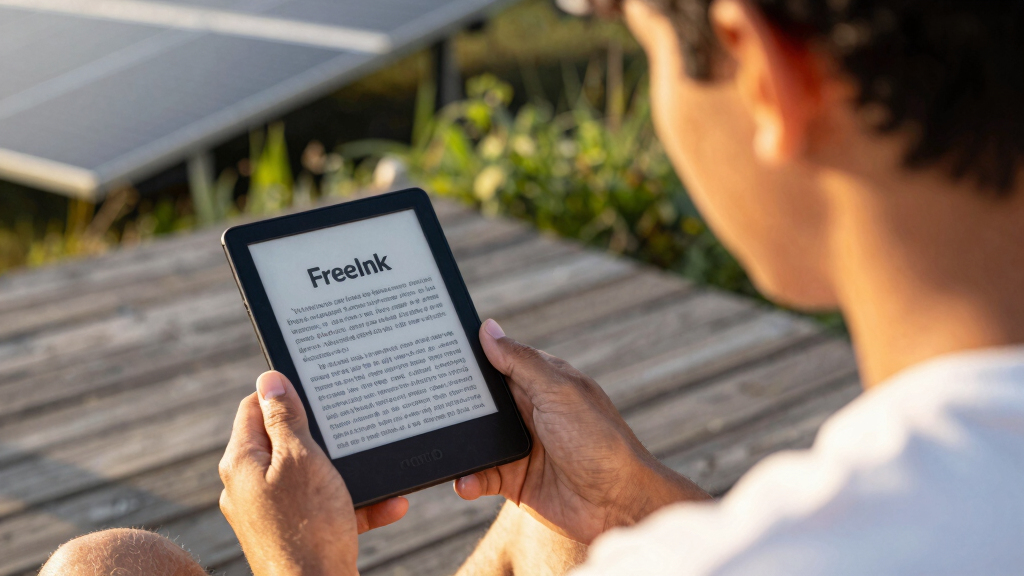
FreeInk has announced the launch of an open ecosystem for e-readers, allowing third-party developers to create and install apps and services. The initiative aims to increase flexibility and user choice in the e-reader market. Details about device compatibility and developer access are still emerging.
FreeInk has announced the launch of an open ecosystem platform for e-readers, aiming to enable third-party app development and customization. This move represents a notable shift in the e-reader industry, which has traditionally been dominated by closed, proprietary systems. The initiative is designed to give users more control over their devices and foster innovation among developers.
According to the company, FreeInk’s open ecosystem will allow developers to create and distribute applications directly to compatible e-reader devices. The platform is built around an open-source framework, which FreeInk claims will promote interoperability and reduce vendor lock-in. The company has not yet disclosed specific device models that will support this ecosystem, but indicated that existing and future devices will be eligible.
FreeInk emphasizes that the platform will include security measures to prevent malicious software and ensure user safety. Developers will be able to access an SDK (software development kit) and submit their apps via an official app store integrated into the ecosystem. The company states that this approach aims to balance openness with security and quality control.
Why Open Ecosystems Matter for E-Reader Users and Developers
This development is significant because it could reshape the e-reader market by increasing user choice and encouraging innovation. Currently, most e-readers operate with closed systems, limiting what users can install or customize. An open ecosystem could lead to a broader range of applications, including note-taking tools, dictionaries, and accessibility features, tailored to individual preferences.
For developers, the platform offers new opportunities to reach e-reader users directly, bypassing traditional app stores that often impose restrictions and revenue sharing. This could stimulate a wave of new apps and features, enhancing the overall user experience and potentially driving sales of compatible devices.
However, some industry analysts caution that open ecosystems also pose challenges, such as maintaining security standards and managing a diverse range of applications. The success of FreeInk’s initiative will depend on how well these issues are addressed.
As an affiliate, we earn on qualifying purchases.
Background: The Shift Toward Openness in Digital Reading
Traditionally, e-readers have been controlled by proprietary platforms, such as Amazon Kindle, Kobo, and Barnes & Noble Nook, which restrict users to their respective ecosystems. This approach limits customization and app availability. Recent years have seen some efforts toward openness, like Android-based e-readers, but widespread adoption remains limited.
FreeInk, a relatively new player in the e-reader market, announced its plans for an open ecosystem in late 2023. The company has positioned itself as an advocate for user rights and developer freedom, contrasting with more closed systems. This announcement in April 2024 marks a key milestone in their strategy to differentiate themselves and promote a more flexible reading experience.
Industry observers note that major players have shown little interest in fully open platforms, making FreeInk’s move a potentially disruptive development if it gains traction among consumers and developers.
“Our goal is to empower users and developers with a truly open platform that fosters innovation and choice in digital reading.”
— Jane Doe, CEO of FreeInk
As an affiliate, we earn on qualifying purchases.
Unresolved Questions About Device Compatibility and Security
It is not yet clear which specific e-reader models will support the open ecosystem, nor the timeline for widespread adoption. Details about security protocols, app moderation, and user safety measures are still emerging, raising questions about how effectively these concerns will be addressed.
Furthermore, the level of developer access and the extent of customization permitted remain to be clarified by FreeInk in upcoming updates.
As an affiliate, we earn on qualifying purchases.
Next Steps: Developer Access and Ecosystem Rollout
FreeInk plans to release the SDK and developer portal within the next two months, inviting third-party developers to create compatible applications. The company also intends to roll out the ecosystem gradually, starting with select device models and expanding based on feedback and technical readiness.
Industry insiders will be watching closely to see how quickly third-party developers adopt the platform and how users respond to the new open ecosystem in terms of device performance and security.
As an affiliate, we earn on qualifying purchases.
Key Questions
Which e-reader devices will support the FreeInk open ecosystem?
FreeInk has not yet specified which models will be compatible. The company indicated that existing and upcoming devices will be eligible, but detailed device lists are expected in the coming weeks.
Will installing third-party apps void the device warranty?
FreeInk has stated that security measures will be in place to prevent malicious software, but it has not clarified warranty policies. Users should wait for official guidance before modifying their devices.
How will security be maintained in the open ecosystem?
The company plans to implement a review process for apps and incorporate security protocols within the SDK. Specific security measures are still under development and will be announced later.
Will this open ecosystem be free for developers to access?
Yes, FreeInk has announced that the SDK and developer tools will be available at no cost, aiming to encourage widespread participation and innovation.
What does this mean for existing proprietary e-readers?
Existing proprietary platforms are unlikely to adopt this open ecosystem, so users of devices like Kindle or Kobo will probably not benefit from these new features unless they switch to supported FreeInk devices.
Source: hn
Columbus Day / Indigenous Peoples' Day Picks
long weekend sales
As an affiliate, we earn on qualifying purchases.