We have some surprising statistics to share with you: heat pumps are transforming energy efficiency in sustainable architecture. This article explores the impact of heat pumps on the design of environmentally-friendly buildings.
We’ll explore the benefits of heat pump technology and provide strategies to optimize energy efficiency.
Through case studies, we’ll showcase successful integration of heat pumps in green buildings.
Finally, we’ll discuss future trends in heat pump innovation.

Get ready to master the art of sustainable architecture with heat pumps.
Key Takeaways
- Heat pumps efficiently heat and cool buildings, reducing energy consumption and greenhouse gas emissions.
- Heat pumps rely on renewable energy sources, decreasing reliance on fossil fuels and lowering carbon emissions.
- Optimizing energy efficiency with heat pumps involves proper sizing and selection, improving building envelope performance, utilizing advanced control systems, and implementing energy-saving techniques.
- Successful case studies demonstrate the effectiveness of heat pumps in achieving energy efficiency and sustainability goals in various building types and locations.

Westinghouse Natural Gas Tankless Water Heater Indoor Installation Max 7.9 GPM 180,000 BTU, WIFI Enable Temp Self Modulating Non Condensing High Efficiency for House or Commercial, APOLO Performance
【On-Demand Efficiency】 Westinghouse tankless water heater works only needed, saving energy and costs. Compact yet powerful for whole-home...
As an affiliate, we earn on qualifying purchases.
The Role of Heat Pumps in Energy Efficient Design
In our examination of energy efficient design, we’ll explore the role of heat pumps.
Heat pump applications are crucial in achieving sustainable architecture by efficiently heating and cooling buildings. These devices use a small amount of energy to transfer heat from one location to another, making them highly efficient in comparison to traditional heating and cooling systems.
Heat pump installation involves careful consideration of factors such as building size, insulation, and climate conditions. By utilizing the surrounding environment as a heat source or sink, heat pumps can significantly reduce energy consumption and greenhouse gas emissions.

The installation process requires expertise to ensure optimal performance and reliability. Understanding the applications and proper installation techniques of heat pumps is essential for architects, engineers, and building professionals seeking to create energy efficient and environmentally friendly designs.
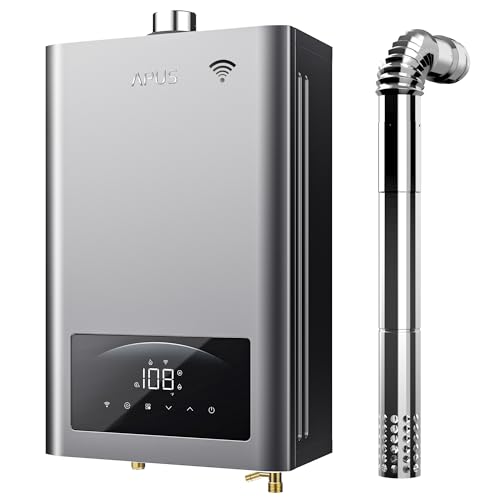
APUS Tankless Water Heater Propane, 140,000 BTU Indoor Installation Up to 6.8 GPM, Zero Cold Water Technology for Instant Hot Water on Demand, Smart Wi-Fi App Control
Instant Hot Water: This upgraded smart propane tankless water heater delivers consistent performance with its 140,000 BTU burner...
As an affiliate, we earn on qualifying purchases.
Benefits of Heat Pump Technology in Sustainable Architecture
We can’t deny the numerous benefits that heat pump technology brings to sustainable architecture. One of the key advantages is its energy-saving benefits.
Heat pumps are highly efficient in converting energy from the environment into usable heat or cooling, minimizing the amount of energy required to maintain a comfortable indoor environment. Compared to traditional heating and cooling systems, heat pumps can achieve significant energy savings, resulting in lower utility costs and reduced carbon emissions.
Additionally, heat pumps have a minimal environmental impact. They rely on renewable energy sources such as the air, ground, or water, reducing reliance on fossil fuels and decreasing greenhouse gas emissions.


23000 BTU Mini Split AC & Heat Pump, 230v Energy Efficient Wall-Mounted Ductless Air Conditioner with WiFi Control, r32 Eco-Friendly Refrigerant, Cools/Heats Up to 1500 Sq.Ft, Quiet Operation
Powerful Cooling & Heating - This 23000 BTU mini split system delivers reliable cooling (63-90℉) and heating (32-80℉)...
As an affiliate, we earn on qualifying purchases.
Strategies for Optimizing Energy Efficiency With Heat Pumps
To ensure maximum energy efficiency with heat pumps, our team implemented various strategies over the course of several years. These energy-saving techniques were designed to optimize the performance of heat pump installations in sustainable architecture.
One of the key strategies we employed was proper sizing and selection of heat pumps based on the specific heating and cooling load requirements of the building. This involved conducting detailed energy audits and calculations to determine the most efficient and suitable heat pump system for each project.
Additionally, we focused on improving the overall thermal performance of the building envelope through insulation, air sealing, and efficient windows and doors. This helped minimize heat loss and gain, reducing the workload on the heat pump system.
We also incorporated advanced control systems and smart thermostats to optimize the operation and energy consumption of the heat pump.

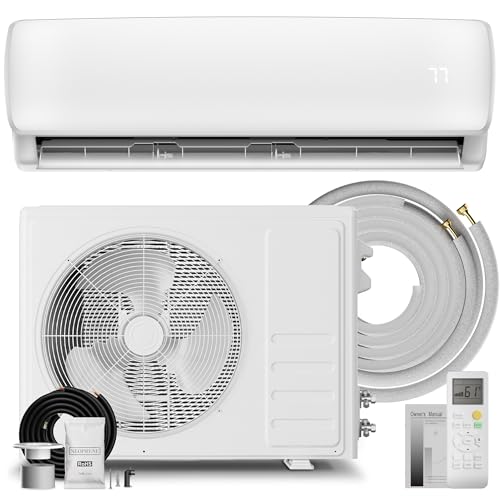
MEPTY 9000BTU Mini Split AC/Heating System, 19 SEER2 Energy Efficient Mini Split Air Conditioner with Heat Pump, 110V Cools Up to 450sq.ft, Ductless Inverter AC Unit with Pre-Charged Condenser
⭐Advanced Energy Saving: Advanced inverter technology with leading 19 SEER2 rating delivers superior performance through ensuring that the...
As an affiliate, we earn on qualifying purchases.
Case Studies: Successful Integration of Heat Pumps in Green Buildings
Three case studies demonstrate the successful integration of heat pumps in green buildings. These examples showcase the effectiveness of heat pumps in achieving energy efficiency and sustainability goals.
The first case study focuses on a LEED Platinum-certified office building in New York City. The building incorporates ground source heat pumps to provide both heating and cooling, resulting in a significant reduction in energy consumption and carbon emissions.
The second case study examines a residential development in California that utilizes air source heat pumps for space heating and hot water. The integration of heat pumps in this project has led to a 30% reduction in energy use compared to traditional heating systems.
Lastly, a mixed-use development in Stockholm, Sweden, demonstrates the successful integration of heat pumps with district heating, resulting in a highly efficient and environmentally friendly heating system.

These case studies highlight the potential of heat pumps in green buildings as a means to achieve energy efficiency and sustainability objectives.
Future Trends in Heat Pump Innovation for Sustainable Architecture
For the future, we anticipate advancements in heat pump innovation that will further enhance sustainable architecture. These advancements will provide more efficient and eco-friendly heating options for buildings. Here are some future trends in heat pump innovation:
-
Integration with renewable energy sources: Heat pumps will be designed to work seamlessly with solar panels and wind turbines, maximizing the use of renewable energy for heating purposes.
-
Improved energy efficiency: Advancements in heat pump technology will result in even higher energy efficiency ratings, reducing energy consumption and lowering carbon emissions.

-
Smart control systems: Heat pumps will be equipped with advanced control systems that can automatically adjust settings based on occupancy, weather conditions, and energy demand, optimizing energy usage.
-
Enhanced durability and reliability: Future heat pumps will be built with more durable materials and advanced components, ensuring longer lifespans and reliable performance.
-
Integration with smart grid systems: Heat pumps will be able to communicate with smart grid systems, allowing for better energy management and load balancing.
These advancements in heat pump technology will play a crucial role in achieving sustainable architecture and reducing the environmental impact of heating systems in buildings.

Frequently Asked Questions
Are Heat Pumps Suitable for All Types of Buildings, or Are There Any Limitations?
Heat pumps have certain limitations when it comes to building suitability. Factors such as climate conditions, building size, and insulation levels can affect their performance. It is crucial to assess these factors before considering the installation of heat pumps.
How Much Does It Cost to Install a Heat Pump System in a Green Building?
Installing a heat pump system in a green building can be cost-effective, especially when considering government incentives. The total cost depends on factors such as building size, desired efficiency, and the type of heat pump chosen.
Can Heat Pumps Be Used in Combination With Other Renewable Energy Sources?
Yes, heat pumps can be used in combination with other renewable energy sources such as solar panels and geothermal energy. Integrating heat pumps with these systems enhances energy efficiency and reduces environmental impact.
Are There Any Maintenance Requirements for Heat Pumps in Sustainable Architecture?
In sustainable architecture, heat pumps have maintenance requirements that must be addressed to ensure optimal energy consumption. Regular inspections, filter cleanings, and system checks are essential for the efficient operation of heat pumps.

How Do Heat Pumps Compare to Traditional Heating and Cooling Systems in Terms of Energy Efficiency?
Heat pumps, with their advanced technology, revolutionize energy efficiency compared to traditional HVAC systems. Their high efficiency significantly reduces energy consumption, making them the ideal choice for sustainable architecture.
Conclusion
In conclusion, heat pumps play a crucial role in achieving energy efficiency in sustainable architecture. Despite potential concerns about their initial cost, the benefits of heat pump technology are undeniable.
By optimizing energy efficiency through heat pump integration, buildings can reduce their carbon footprint and operating costs.
Through successful case studies, it’s clear that heat pumps are a reliable and effective solution for achieving green building standards.

As heat pump innovation continues to advance, the future of sustainable architecture looks promising.