We believed we had everything figured out. We were creating buildings that were energy efficient, sustainable, and eco-friendly. However, everything changed with the introduction of the heat pump.

Get backup power and energy gear delivered free with Prime
- Fast, free delivery on millions of items
- Prime Video, Amazon Music and more included
- Member-only deals all year
Its innovative technology revolutionized the way we approach sustainable architecture. In this article, we delve into the legacy of heat pumps and their impact on green buildings.
Prepare to be amazed by the environmental benefits, real-life case studies, and future trends of this game-changing technology. Get ready to master the art of sustainable building design.
Key Takeaways
- Heat pumps have a long history, dating back to the late 18th century, and have gained traction in the 20th century for both industrial and residential applications.
- Passive house design and energy-efficient heating play a crucial role in the integration of heat pumps in sustainable architecture, minimizing heat loss and utilizing renewable energy sources.
- Heat pumps offer numerous environmental benefits, including reducing greenhouse gas emissions, promoting energy efficiency, and harnessing renewable energy sources.
- Case studies have shown the successful application of heat pumps in residential and commercial buildings, utilizing geothermal and air source systems to achieve higher energy efficiency and reduced reliance on fossil fuels.
Historical Development of Heat Pump Technology
We have witnessed significant advancements in the historical development of heat pump technology.

The invention timeline of heat pumps dates back to the late 18th century, with the earliest known patent filed by Peter von Rittinger in 1855. However, it wasn’t until the 20th century that heat pumps gained traction among early adopters.
In the early 1900s, advancements in refrigeration technology paved the way for the development of heat pumps. These early iterations were primarily used for industrial applications, such as ice production and food preservation.
As the technology improved, heat pumps became more accessible for residential and commercial use, offering efficient heating and cooling solutions. The early adopters recognized the potential of heat pumps in reducing energy consumption and minimizing environmental impact, setting the stage for the widespread adoption of this technology in sustainable architecture.
Integration of Heat Pumps in Sustainable Building Design
As we delve into the topic of integration of heat pumps in sustainable building design, it’s important to consider the various factors that contribute to their successful implementation. When it comes to incorporating heat pumps into sustainable building design, there are two main aspects to consider: passive house design and energy efficient heating.
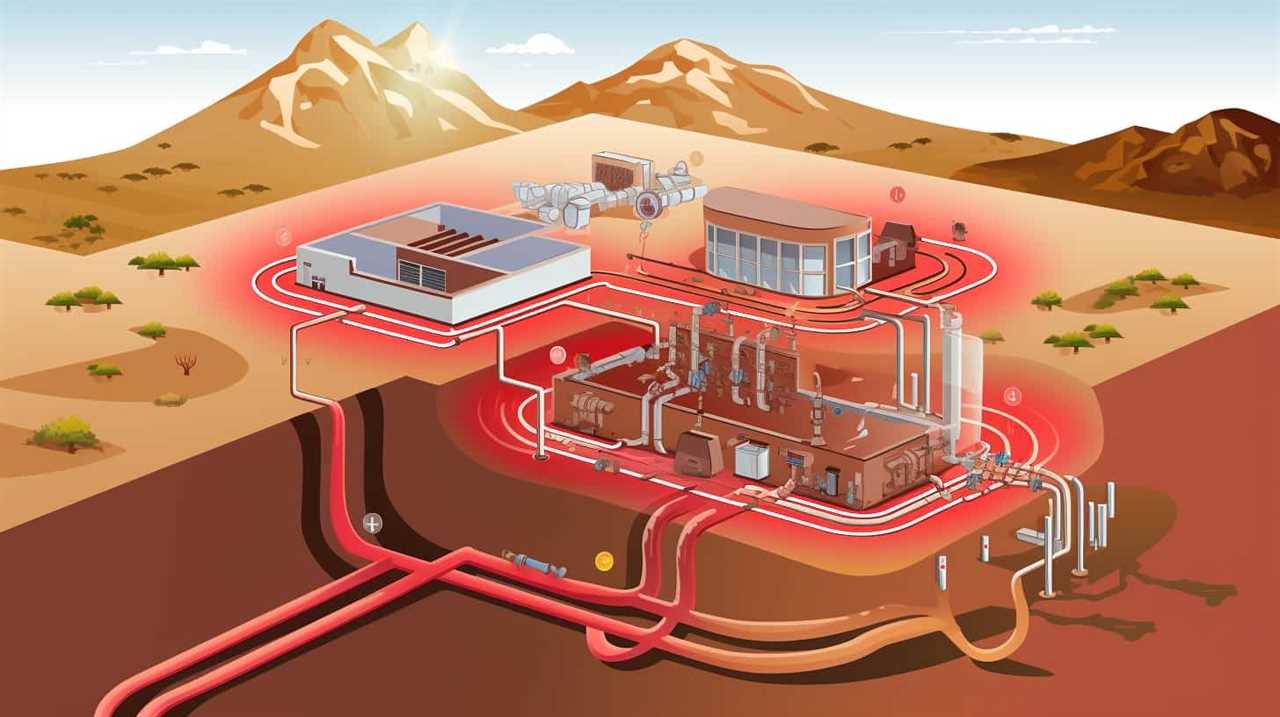
In terms of passive house design, heat pumps can be seamlessly integrated into the building envelope. By using high-performance insulation, airtight construction, and advanced glazing, passive houses minimize heat loss and gain. This allows heat pumps to operate more efficiently, as they don’t need to work as hard to maintain comfortable indoor temperatures.
In terms of energy efficient heating, heat pumps play a crucial role. These systems utilize renewable energy sources, such as geothermal or air, to extract heat from the environment and transfer it into the building. This significantly reduces the reliance on fossil fuels for heating, resulting in lower carbon emissions and decreased energy consumption.
Environmental Benefits of Heat Pump Systems
Heat pump systems offer significant environmental benefits, reducing greenhouse gas emissions and promoting energy efficiency. By harnessing renewable energy sources such as air, water, or ground, heat pumps can provide heating, cooling, and hot water while minimizing the carbon footprint.
The energy efficiency of heat pump systems is one of their key advantages, as they can deliver up to four times more energy than they consume. This efficiency translates into lower energy bills and reduced reliance on fossil fuels.

In addition to energy savings, heat pumps also contribute to the reduction of greenhouse gas emissions, making them an environmentally friendly choice for sustainable architecture.
Now, let’s explore some case studies showcasing the diverse applications of heat pumps in sustainable building design.
Case Studies: Heat Pump Applications in Sustainable Architecture
Our article explores case studies showcasing the diverse applications of heat pumps in sustainable architecture. These case studies provide valuable insights into the energy efficiency and cost effectiveness of heat pump systems in sustainable architecture.
Here are two examples:

-
Geothermal Heat Pump System: This case study focuses on a residential building that utilizes a geothermal heat pump system for both heating and cooling. The system harnesses the constant temperature of the earth to provide efficient heating in the winter and cooling in the summer. The energy efficiency of this system is significantly higher compared to traditional heating and cooling systems, resulting in reduced energy consumption and lower utility bills.
-
Air Source Heat Pump System: This case study examines a commercial building that incorporates an air source heat pump system for heating and cooling. By extracting heat from the outdoor air during the winter and transferring it indoors, and vice versa during the summer, this system reduces the reliance on fossil fuels and minimizes greenhouse gas emissions. Additionally, the cost effectiveness of this system is evident through its lower operational and maintenance costs compared to conventional HVAC systems.
These case studies demonstrate how heat pump applications in sustainable architecture can achieve both energy efficiency and cost effectiveness, making them essential components of sustainable building design.
Future Trends in Heat Pump Technology for Green Buildings
While exploring the legacy of heat pumps in sustainable architecture, we can now turn our attention to future trends in heat pump technology for green buildings. As we strive for energy efficiency improvements and smart grid integration, advancements in heat pump technology are crucial.

One of the future trends is the development of more efficient heat pump systems that can provide both heating and cooling. These systems will utilize advanced heat exchangers and refrigerants to optimize performance. Additionally, there will be a focus on integrating heat pumps with renewable energy sources such as solar and geothermal energy. This won’t only enhance the energy efficiency of heat pumps but also reduce reliance on fossil fuels.
Another trend is the use of advanced control systems and smart technologies to optimize the operation of heat pumps and maximize energy savings. These systems will enable real-time monitoring and adjustments based on weather conditions, occupancy patterns, and energy demand.
Frequently Asked Questions
How Do Heat Pumps Compare to Traditional Heating and Cooling Systems in Terms of Energy Efficiency?
When comparing energy efficiency, heat pumps outperform traditional heating and cooling systems. Innovative designs optimize heat pump efficiency. We have seen significant advancements in this technology, making it a valuable solution for sustainable architecture.
Are Heat Pumps Suitable for All Types of Climates?
Heat pumps are efficient and perform well in most climates. They provide both heating and cooling, making them suitable for a range of environments. Their versatility and energy efficiency make them a popular choice in sustainable architecture.

Can Heat Pumps Be Used in Existing Buildings or Are They Only Suitable for New Construction?
Heat pumps can be used in existing buildings, not just new construction. They offer benefits for energy savings in retrofitted structures. By utilizing heat transfer technology, heat pumps efficiently provide heating and cooling while reducing environmental impact.
What Are the Main Factors to Consider When Choosing a Heat Pump System for a Sustainable Building Design?
When choosing a heat pump system for a sustainable building design, we must consider heat pump sizing and maintenance requirements. These factors ensure efficient operation and long-term sustainability of the system.
Are There Any Government Incentives or Rebates Available for Installing Heat Pump Systems in Sustainable Architecture Projects?
Government incentives and financial benefits are available for installing heat pump systems in sustainable architecture projects. These incentives can include tax credits, grants, and rebates, which can significantly offset the initial cost of the system.
Conclusion
In conclusion, the legacy of heat pumps in sustainable architecture is undeniable. Throughout history, heat pump technology has evolved and integrated seamlessly into building design, offering numerous environmental benefits.

Through case studies, we’ve seen the successful application of heat pumps in sustainable buildings.
Looking ahead, future trends in heat pump technology hold promise for even greener buildings.
The era of heat pumps has arrived, paving the way for a more sustainable future.
Halloween Picks
halloween
As an affiliate, we earn on qualifying purchases.