We have all heard the theory: heat pump energy efficiency can provide substantial cost-saving benefits. However, delving into the intricacies of this subject can seem like navigating through treacherous waters.
That’s where our article comes in. We provide an overview of the latest study on heat pump energy efficiency cost-benefit, highlighting key factors and financial implications.
Through real-life case studies and best practices, we aim to help you navigate the risks and unlock the innovative potential of heat pump energy efficiency.
Key Takeaways
- High initial installation costs and lack of consumer awareness are significant barriers to the adoption of heat pump technology.
- Financial incentives such as tax credits and rebates, as well as public education campaigns, can help overcome these barriers.
- Access to affordable financing options and the development of infrastructure for heat pump systems are also crucial for increasing adoption.
- Thorough research and analysis, considering long-term benefits and costs, and consulting with experts are essential for maximizing the cost-benefit potential of heat pump energy efficiency.

Goodman 3 TON 15 SEER2 Multi-Position R-32 Heat Pump System with air handler (GLZS4BA3610 heat pump and AMST36CU1300 air handler)
- Accessories Sold Separately: Linesets, thermostats, and kits not included
- Compatible Heat Kits: Uses HKSC/HKSX series, not HKR
As an affiliate, we earn on qualifying purchases.
Overview of Heat Pump Energy Efficiency Cost-Benefit Study
In our study, we examine the overall cost-benefit of heat pump energy efficiency. Through rigorous analysis, we’ve identified several barriers that hinder the adoption of heat pump technology and limit its cost-effectiveness.

These barriers include high initial installation costs, lack of consumer awareness, and limited access to financing options.
To overcome these barriers, we propose several policy recommendations. Firstly, implementing financial incentives such as tax credits and rebates can help offset the upfront costs for consumers.
Secondly, public education campaigns can increase awareness about the benefits of heat pump energy efficiency.
Lastly, establishing partnerships with financial institutions can provide affordable financing options for homeowners.

By addressing these barriers and implementing our policy recommendations, we can accelerate the adoption of heat pump technology and maximize its cost-benefit potential.
Now, let’s explore the key factors affecting energy efficiency cost-benefit analysis.
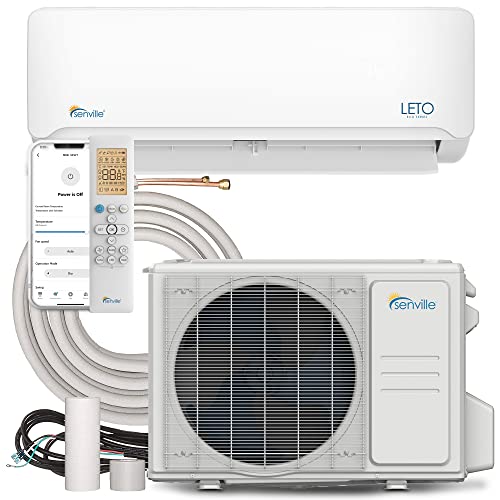
Senville LETO Mini Split Air Conditioner, Heat Pump, White, 24000 BTU
- Voice Control Compatibility: Works with Alexa for remote control
- All-in-One Climate Solution: Cooling, heating, dehumidifying, and fan functions
- Efficient Inverter Technology: UL Listed DC Inverter for energy savings
As an affiliate, we earn on qualifying purchases.
Key Factors Affecting Energy Efficiency Cost-Benefit Analysis
To fully understand the cost-benefit analysis of energy efficiency, we must consider key factors that impact its effectiveness. These factors include:
-
Policy implications: Government policies and regulations play a significant role in shaping the energy efficiency landscape. Policies that promote and incentivize energy efficiency can greatly enhance its cost-effectiveness and encourage adoption on a larger scale.

-
Technology advancements: The continuous development and improvement of energy-efficient technologies is crucial for maximizing cost savings. Advancements in heat pump technology, for example, can greatly increase energy efficiency and reduce operating costs.
-
Market dynamics: The competitive nature of the market can also impact the cost-benefit analysis of energy efficiency. Factors such as supply and demand, pricing structures, and market competition can influence the financial viability of energy efficiency measures.
-
Consumer behavior: Understanding consumer preferences and behaviors is essential for designing effective energy efficiency programs. Consumer acceptance, awareness, and participation are key factors that can affect the overall success and cost-effectiveness of energy efficiency initiatives.
Considering these key factors is crucial for conducting a comprehensive cost-benefit analysis of energy efficiency.
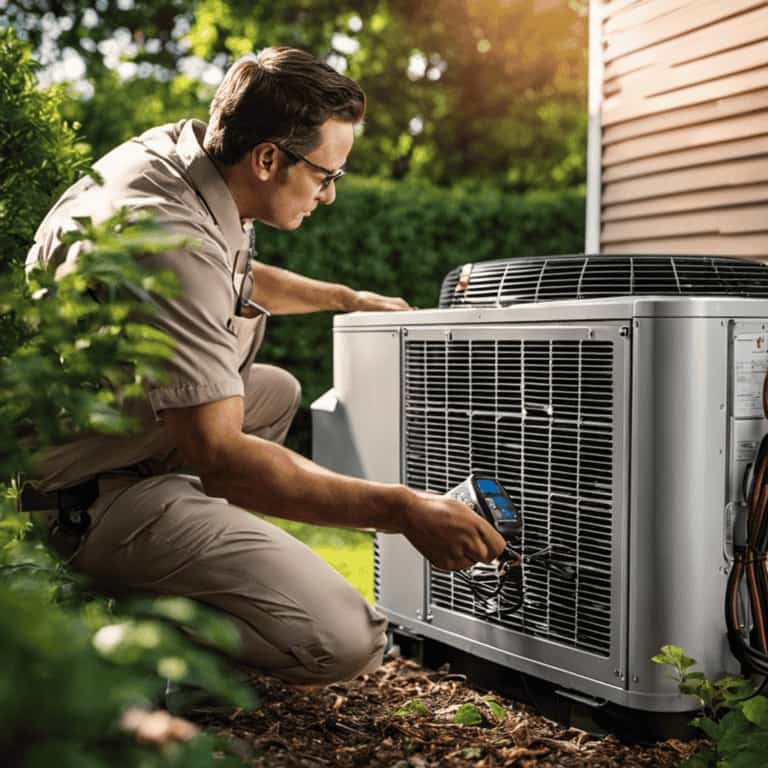
Now, let’s delve into evaluating the financial implications of heat pump energy efficiency.
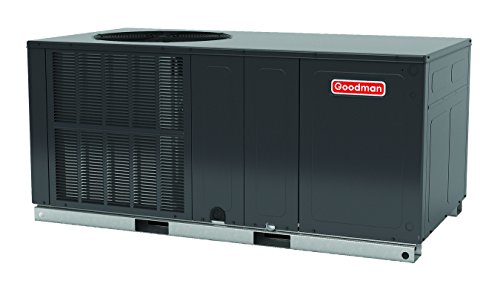
3.5 Ton 14 Seer Goodman Package Heat Pump - GPH1442H41
- Factory Installed Filter Dryer: Bi-Flow Liquid Line Filter Dryer
- Durable Aluminum Coil: Aluminum Fin Coil
- Lubricated Condenser Fan: Permanently Lubricated Motor Fan
As an affiliate, we earn on qualifying purchases.
Evaluating the Financial Implications of Heat Pump Energy Efficiency
How can we assess the financial impact of heat pump energy efficiency?
When evaluating the financial implications of heat pump energy efficiency, it’s crucial to consider various factors.
One of the key considerations is the initial cost of purchasing and installing the heat pump system. While heat pumps can be more expensive upfront compared to traditional heating systems, the long-term energy savings can outweigh the initial investment.

Another important factor is energy consumption. Heat pumps are known for their high energy efficiency, which can result in significant cost savings over time. By reducing energy consumption, heat pump systems can help lower utility bills and decrease overall operating costs.
It’s essential to analyze these financial considerations to determine the cost-effectiveness of heat pump energy efficiency.
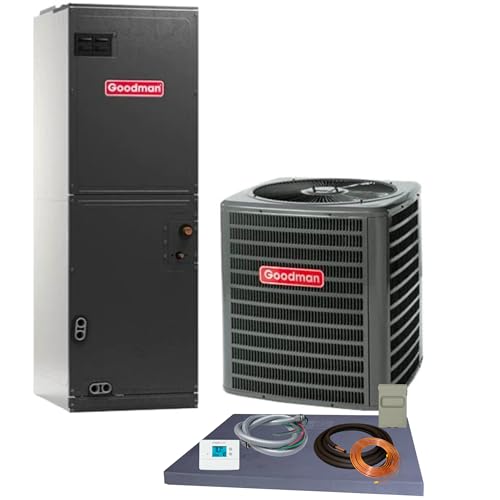
Goodman 3 ton 15 SEER2 Heat Pump System with multi-position air handler with install accessories! (GLZS4BA3610 AMST36CU1300)
- Model Replacement Compatibility: Replaces multiple heat pump and air handler models
- Home Comfort Solution: Complete system for efficient heating and cooling
- Cold Climate Note: Requires heat kit in cold climates
As an affiliate, we earn on qualifying purchases.
Case Studies: Successful Applications of Energy Efficiency Cost-Benefit Analysis
We have examined various case studies that showcase successful applications of energy efficiency cost-benefit analysis.
These case studies demonstrate the value and impact of conducting thorough cost-benefit analysis when implementing energy efficiency measures.
Here are some notable examples:
-
Case Study 1: A manufacturing plant invested in energy-efficient lighting systems and conducted a cost-benefit analysis.
The analysis revealed that the initial investment would be recouped within two years through energy savings and reduced maintenance costs.
-
Case Study 2: A commercial building retrofitted its HVAC system with energy-efficient heat pumps.
The cost-benefit analysis showed that the energy savings would offset the installation costs within five years. -
Case Study 3: A residential complex implemented energy-efficient insulation and conducted a cost-benefit analysis.
The analysis revealed that the energy savings would cover the insulation investment within three years. -
Case Study 4: A city installed smart LED streetlights and conducted a cost-benefit analysis.
The analysis showed that the energy savings and reduced maintenance costs would offset the installation expenses within seven years.
These successful case studies highlight the importance of cost-benefit analysis in identifying energy efficiency opportunities and making informed decisions.
However, it’s crucial to acknowledge the limitations of cost-benefit analysis, such as the difficulty in quantifying all benefits and the uncertainty of future energy prices.
Nevertheless, these case studies provide valuable insights and encourage further exploration of energy efficiency cost-benefit analysis.

Best Practices for Navigating the Risks of Heat Pump Energy Efficiency Cost-Benefit Analysis
By prioritizing thorough research and analysis, we can effectively navigate the risks associated with heat pump energy efficiency cost-benefit analysis. To ensure success, it is important to implement the following strategies and avoid common pitfalls:
| Strategies | Pitfalls |
|---|---|
| Conduct a comprehensive evaluation of energy usage and costs | Overlooking potential savings from heat pump upgrades |
| Consider long-term benefits and costs, including maintenance and replacement expenses | Focusing solely on upfront costs |
| Compare different heat pump options and technologies to determine the most cost-effective solution | Underestimating installation and retrofitting costs |
Thorough research and analysis are essential to uncover the true cost-benefit potential of heat pump energy efficiency. By avoiding these pitfalls and implementing effective strategies, we can make informed decisions and maximize the benefits of heat pump upgrades.
Frequently Asked Questions
What Are the Potential Risks Associated With Implementing Heat Pump Energy Efficiency Measures?
Potential risks associated with implementing heat pump energy efficiency measures include high upfront costs, uncertainty in energy savings, and potential system malfunctions. Conducting a cost-benefit analysis can help assess whether the benefits outweigh these risks.
How Long Does It Typically Take to See a Return on Investment for Heat Pump Energy Efficiency Upgrades?
When it comes to heat pump energy efficiency upgrades, we often wonder how long it takes to see a return on investment. The heat pump payback period and the financial benefits are key considerations in making this decision.

Are There Any Government Incentives or Programs Available to Help Offset the Costs of Heat Pump Energy Efficiency Projects?
Government incentives and energy efficiency programs can help offset the costs of heat pump energy efficiency projects. These programs aim to encourage innovation and provide financial support, making these projects more accessible and beneficial for homeowners and businesses alike.
What Are Some Common Challenges or Obstacles That Organizations Face When Conducting a Cost-Benefit Analysis for Heat Pump Energy Efficiency?
Energy efficiency challenges and cost benefit analysis obstacles can hinder organizations when evaluating heat pump energy efficiency. Identifying accurate data, calculating potential savings, and determining long-term benefits are common hurdles we encounter.
How Can Organizations Ensure That They Are Accurately Measuring and Tracking the Energy Savings Achieved Through Heat Pump Energy Efficiency Measures?
To ensure accurate measurement and effective tracking of energy savings achieved through heat pump energy efficiency measures, we must utilize advanced monitoring systems and data analytics. These tools allow organizations to analyze and optimize their energy usage for maximum cost-effectiveness.
Conclusion
In conclusion, navigating the waters of heat pump energy efficiency cost-benefit analysis can be a challenging task. However, by considering key factors, evaluating financial implications, and learning from successful case studies, one can mitigate the risks involved.

It’s crucial to approach this analysis with a data-driven mindset, making informed decisions based on the available information. By doing so, we can steer our way towards maximizing the benefits of heat pump energy efficiency while minimizing the costs.