Phantom load, or standby power, quietly increases your energy bills by drawing power from devices that are off or not in use, sometimes accounting for up to 10% of your household energy. Common culprits include chargers, gaming consoles, and smart TVs. To reduce this hidden drain, you can unplug unused devices, use power strips, or activate energy-saving features. Want to discover more effective ways to cut your energy costs and improve your home’s efficiency? Keep exploring for helpful tips.

Get backup power and energy gear delivered free with Prime
- Fast, free delivery on millions of items
- Prime Video, Amazon Music and more included
- Member-only deals all year
Key Takeaways
- Phantom load refers to standby power consumed by devices even when turned off, increasing energy bills.
- Common culprits include chargers, gaming consoles, smart TVs, and entertainment systems.
- Using power strips with switches and unplugging unused devices can significantly reduce phantom load.
- Enabling energy-saving modes and automatic shutdown features minimizes idle power consumption.
- Smart monitoring tools help identify high standby power devices and optimize overall home energy use.
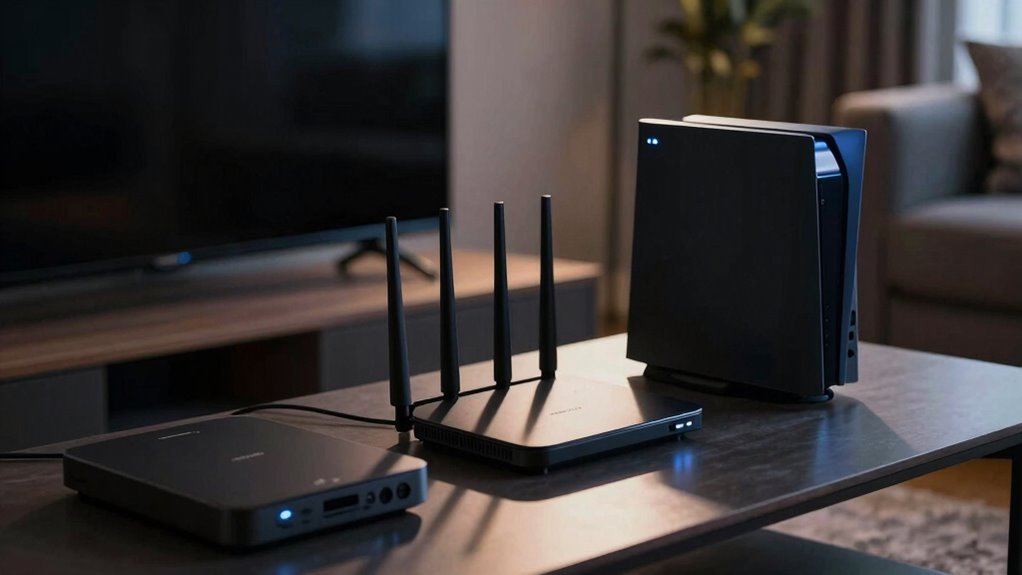
Have you ever wondered why your electricity bill seems higher than expected, even when you’re not actively using many appliances? One common culprit is the phantom load, also known as standby power. Many devices keep drawing electricity even when they’re turned off or not in use. This hidden power drain can add up rapidly, making your home less energy-efficient and increasing your bills without you realizing it. To combat this, you need to understand energy saving tips and how to implement smart device management effectively.
Phantom load, or standby power, secretly increases bills by drawing electricity when devices are off or unused.
Start by identifying which devices consume the most standby power. Chargers, gaming consoles, smart TVs, and home entertainment systems are often the biggest culprits. Once you know where the power is leaking, you can take steps to minimize it. Using power strips with switches allows you to cut off power completely when devices are not needed, preventing standby power from being drawn. This simple action can notably reduce your phantom load over time.
Smart device management is also key. Many newer appliances and electronics come with energy-saving features that you might not be utilizing fully. Check your device settings to enable power-saving modes or automatic shutdown features. For devices that support remote management, consider scheduling their operation times to avoid unnecessary power consumption during idle periods. Additionally, some smart home systems can monitor and control appliance usage, giving you a real-time view of power consumption and allowing you to turn off devices remotely when they’re not in use.
Another effective energy saving tip is to unplug devices that you don’t use daily. Even if they’re turned off, they can still draw power if left plugged in. For items you frequently use, consider plugging them into a single power strip so you can switch them all off at once. This way, you’re not tempted to leave multiple devices plugged in and consuming standby power unnecessarily. Being aware of electrified homes and their common issues can help you better understand how to optimize your energy consumption. Regularly reviewing your energy consumption can help you spot patterns and identify new opportunities for savings, especially as microplastics in dust and other indoor pollutants can impact overall air quality and home efficiency. Incorporating energy monitoring tools can further enhance your awareness of consumption patterns and highlight areas for improvement.
Utilizing smart meters and related technology allows for more precise measurement of your household’s energy use, which can lead to more targeted savings. Implementing energy-efficient devices can further reduce your overall consumption. Over time, this awareness enables you to make smarter choices about device management, further reducing phantom load. By practicing consistent energy saving tips and maintaining smart device management, you can keep your electricity bills in check and create a more energy-efficient home. Remember, small changes can lead to considerable savings, especially when it comes to eliminating those sneaky phantom loads.
smart power strips with switches
As an affiliate, we earn on qualifying purchases.
As an affiliate, we earn on qualifying purchases.
Frequently Asked Questions
How Can I Identify Which Devices Cause Phantom Loads?
You can identify devices causing standby power and power leakage by unplugging electronics one at a time and observing your energy meter or bill. Use a smart plug or energy monitor to track which devices draw power even when off. Look for electronics with indicator lights or displays that stay on. These are common culprits, and unplugging or switching them off when not in use can markedly reduce phantom load.
Are There Specific Brands Known for Lower Phantom Power Consumption?
Brands like Belkin, TrickleStar, and Kill-A-Watt are known for lower phantom power consumption, helping you with device monitoring and power management. These companies design products that reduce standby power, making it easier for you to cut down on energy waste. By choosing their devices, you can actively manage your energy use, minimize phantom loads, and save on electricity bills, all while supporting more efficient power consumption in your home.
Can Smart Home Systems Automatically Reduce Phantom Loads?
Did you know that smart homes can reduce phantom loads by up to 50%? Yes, smart home systems can automatically cut power to devices when they’re not in use. You can use smart plugs and power strips with timers or automation features to manage standby power. These tools make it easy to minimize energy waste without manual unplugging, saving you money and reducing your home’s environmental impact effortlessly.
What Are the Long-Term Cost Savings of Reducing Phantom Loads?
Reducing phantom loads can save you significant long-term costs on energy bills. By conducting energy audits and load measurement, you identify and eliminate unnecessary power drain. Over time, these savings add up, lowering your electricity expenses and reducing your carbon footprint. Consistently monitoring and managing phantom loads guarantees your home remains energy-efficient, helping you save money and contribute to a more sustainable environment.
Do Energy-Efficient Appliances Have Lower Phantom Load Emissions?
Did you know standby power accounts for about 10% of residential electricity use? Energy-efficient appliances generally have lower phantom load emissions because they design for minimal standby power, reducing energy vampires. By choosing these appliances, you cut down on unnecessary energy drain, saving money and helping the environment. So, yes, investing in energy-efficient appliances can markedly lower phantom loads and curb standby power consumption in your home.
As an affiliate, we earn on qualifying purchases.
Conclusion
To wrap up, tackling phantom loads is like shutting off the tap to a leaky faucet—you save energy and money with just a simple turn. By unplugging devices or using smart power strips, you prevent these silent energy drains from sneaking into your bills. It’s a small change that makes a big difference, like trimming a few leaves to help your home’s energy tree flourish. Start today, and watch your savings grow!
As an affiliate, we earn on qualifying purchases.
As an affiliate, we earn on qualifying purchases.
Columbus Day / Indigenous Peoples' Day Picks
long weekend sales
As an affiliate, we earn on qualifying purchases.