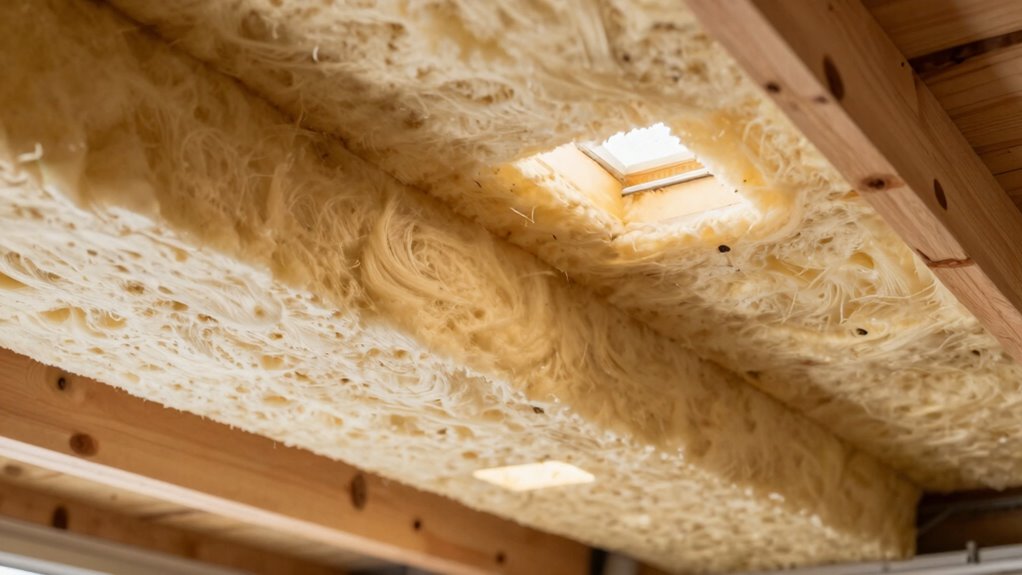

After upgrading your insulation, your HVAC system may need to be downsized since better insulation reduces heat transfer, lowering the system’s load. This means your current system could be larger than necessary, wasting energy and money. Proper evaluation by an HVAC professional using detailed load calculations is essential to determine the ideal size. Keep exploring to discover how these changes can improve your home’s efficiency and comfort.

Get backup power and energy gear delivered free — and shop member deals
- Fast, free delivery on millions of items
- Access to Prime Big Deal Days deals on October 6–7
- Prime Video, Amazon Music and more included
Key Takeaways
- Insulation upgrades reduce heat transfer, decreasing the cooling or heating load on the HVAC system.
- Improved insulation may allow for downsizing the HVAC unit without sacrificing comfort.
- Proper load calculations post-upgrade are essential to determine the new appropriate system size.
- Not all existing HVAC systems are suitable for downsizing; professional evaluation is necessary.
- Proper right-sizing enhances efficiency, reduces energy bills, and prolongs equipment lifespan after insulation upgrades.
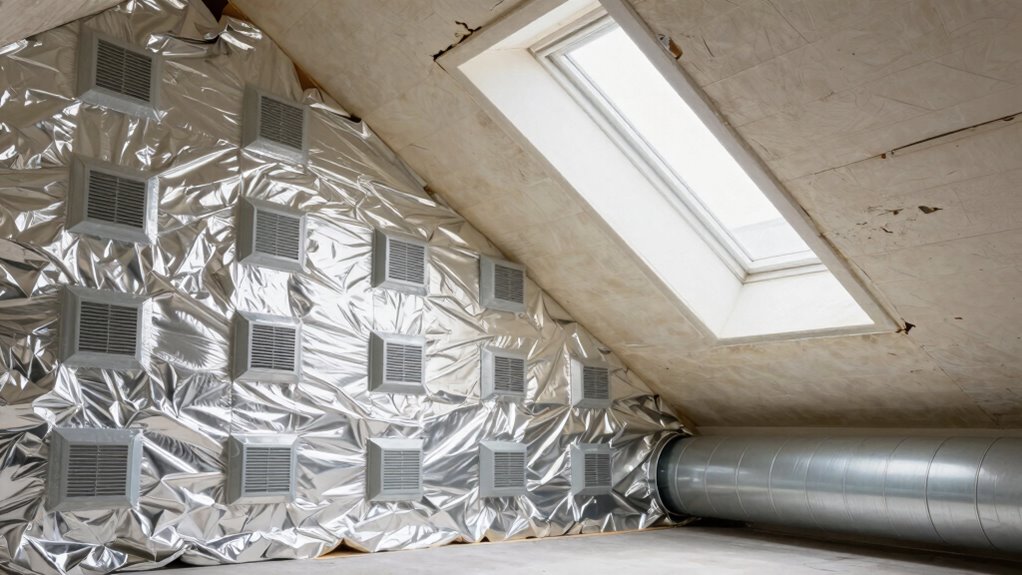
Have you ever wondered how insulation upgrades can impact the size of your heating and cooling system? When you improve your home’s insulation, you’re fundamentally reducing the amount of heat transfer through your walls, attic, and floors. This directly influences your home’s energy efficiency because less energy is needed to maintain comfortable indoor temperatures. As a result, your HVAC system doesn’t have to work as hard, which can lead to lower energy bills and increased comfort. But understanding how these upgrades affect the right size for your HVAC system is vital to avoid over- or under-sizing, which can cause inefficiencies or discomfort.
Before insulation upgrades, your existing HVAC system was probably sized based on older, less efficient insulation levels. Now, with enhanced insulation, your home retains heat better in winter and keeps cool air in during summer. This means your current system might be larger than necessary because it was originally selected to compensate for heat loss or gain that now doesn’t occur as much. When you upgrade insulation, you create a better-insulated environment, which often means your HVAC system can be downsized without sacrificing performance. Properly right-sizing your system ensures it operates at peak efficiency, reducing energy consumption and extending equipment lifespan.
However, compatibility with your HVAC system is vital. Not all systems are flexible enough to be easily downsized, especially if they’re older or have specific design limitations. You need to consult with HVAC professionals who can evaluate your upgraded insulation’s impact on your home’s heating and cooling loads. They use detailed load calculations to determine the ideal system size, considering the improved energy efficiency from insulation upgrades. Ensuring your system is compatible with these new calculations helps prevent issues like short cycling, uneven temperatures, or excessive wear and tear. Additionally, understanding insulation’s effect on heat transfer can help guide these adjustments more accurately.
As an affiliate, we earn on qualifying purchases.
Frequently Asked Questions
How Often Should I Reassess My Home’s Insulation Needs?
You should reassess your home’s insulation needs every 3 to 5 years to maintain ideal thermal efficiency. Insulation lifespan varies, but regular inspections help you identify when upgrades or additions are necessary. Changes in climate, home renovations, or energy bills can signal the need for a reassessment. Staying proactive ensures your home remains comfortable and energy-efficient, preventing unnecessary heat loss or gain and saving you money in the long run.
What Signs Indicate I Need a Right-Sizing Adjustment?
You should consider a right-sizing adjustment if you notice increased drafts, uneven temperatures, or higher energy bills. Insulation lifespan and material durability can influence when these signs appear. If your insulation has deteriorated or lost effectiveness, it’s time for an upgrade. Regular inspections help detect these issues early, ensuring your home remains energy-efficient and comfortable. Addressing these signs promptly keeps your insulation performing at its best.
Can Right-Sizing Reduce My Energy Bills Significantly?
Yes, right-sizing can lead to notable energy savings, especially after insulation upgrades extend your insulation’s lifespan. By adjusting your system to match your home’s true needs, you avoid wasting energy on over- or under-performing equipment. This efficient tuning not only trims your energy bills but also helps your system last longer, making your home more comfortable and eco-friendly. Embrace this smart approach for ongoing savings and sustainable comfort.
Is Professional Assessment Necessary for Changing Insulation Sizes?
Yes, a professional assessment is necessary when changing insulation sizes. While you can do a DIY assessment using different insulation materials, a professional guarantees the right amount and type for your home’s needs. They consider factors like building codes, climate, and existing insulation. This expertise helps optimize energy savings and prevents issues like moisture problems or inadequate coverage, making your upgrade safe and effective.
How Does Climate Influence Right-Sizing Decisions?
Climate’s constant character influences your insulation size. In colder climates, you’ll want more insulation to improve efficiency and keep warmth in, while warmer climates demand less. The climate impact guides your choice, ensuring your insulation works effectively without waste. By understanding how climate impacts insulation efficiency, you make smarter right-sizing decisions, saving energy and money while maintaining comfort in your home. Proper sizing adapts to your climate’s unique demands.
As an affiliate, we earn on qualifying purchases.
Conclusion
After insulation upgrades, you might find that your heating and cooling systems no longer need to be oversized. In fact, properly insulated homes can reduce energy consumption by up to 20%, meaning you can downsize your HVAC system without sacrificing comfort. This not only saves you money upfront but also lowers your energy bills long-term. Embracing right-sizing after insulation improvements guarantees your system operates efficiently, giving you a cozy home while cutting costs and reducing your environmental impact.
insulation upgrade assessment tools
As an affiliate, we earn on qualifying purchases.
As an affiliate, we earn on qualifying purchases.
As an affiliate, we earn on qualifying purchases.
Fall Picks
fall essentials
As an affiliate, we earn on qualifying purchases.