

TL;DR
IKEA has announced the launch of the Complexity Index, a new measurement tool designed to quantify the assembly and design complexity of its products. This initiative aims to enhance customer transparency and improve product communication. The development is confirmed and currently being rolled out across selected markets.
IKEA has launched the Complexity Index, a new metric intended to quantify the assembly and design complexity of its furniture products. The company says this initiative aims to improve transparency for customers and assist them in making informed purchasing decisions.
The Complexity Index was officially announced by IKEA on March 2024 as part of its ongoing efforts to enhance product information. The index measures aspects such as assembly steps, parts count, and design intricacy, providing a numerical score for each product. According to IKEA, the goal is to help customers better understand the effort required to assemble furniture, potentially reducing frustration and returns.
Initial testing of the Index has been conducted in select European markets, with feedback indicating that customers appreciate having a clear indication of product complexity. IKEA stated that the index is based on a proprietary algorithm developed by its product design team, incorporating data from assembly instructions, parts lists, and customer reviews. The company plans to expand the availability of the Complexity Index across more markets in the coming months.
Impact of the Complexity Index on Customer Transparency
The introduction of the Complexity Index could significantly influence how customers choose IKEA products, especially for those concerned about assembly difficulty or seeking products suited for specific skill levels. It also represents a shift toward more transparent communication about product design, potentially setting a new standard in furniture retail.
Experts suggest that this move may help reduce assembly-related customer dissatisfaction and decrease product returns due to unexpected complexity. However, some industry analysts note that the true impact depends on how accurately the index reflects real-world assembly challenges and how widely it is adopted by consumers.
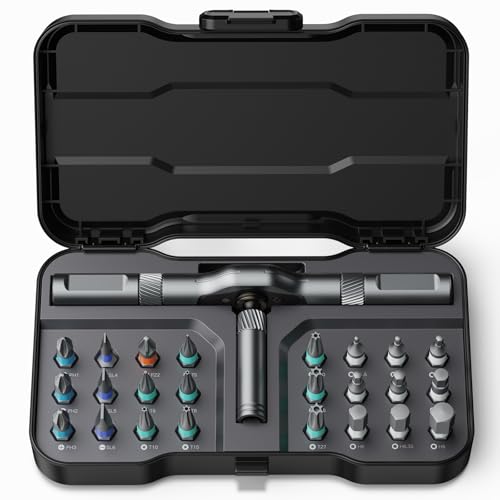
Bomivoi 24 in 1 Magnetic Screwdriver Set, DIY Ratchet Screwdriver Set, Multi Bit Magnetic Drive Set with Detachable Ratchet Handle, Portable Precision Repair Tool Kit for Furniture Computer Bicycle
- Adjustable Multi-Position Handle: Detachable ergonomic ratchet handle for various tasks
- Durable Aluminum Construction: Lightweight, corrosion-resistant, and comfortable to use
- Effort-Saving Ratchet Mechanism: 6.2-degree, 58-tooth ratchet for up to 80% effort savings
As an affiliate, we earn on qualifying purchases.
As an affiliate, we earn on qualifying purchases.
IKEA’s Efforts Toward Transparency and Customer Engagement
Over recent years, IKEA has focused on improving customer experience through digital tools, clearer instructions, and sustainability initiatives. The launch of the Complexity Index builds on this trend, aiming to provide more detailed product information. The company has previously faced criticism for confusing assembly instructions and the perceived difficulty of some products, which the index aims to address.
This development follows other industry efforts to incorporate data-driven metrics into product information, reflecting a broader trend toward transparency in retail. The index is part of IKEA’s digital transformation strategy, designed to enhance customer trust and engagement.
“The Complexity Index is designed to give our customers a clearer understanding of what to expect when assembling our furniture. Our goal is transparency and improved customer satisfaction.”
— IKEA spokesperson

Easy-to-Build Adirondack Furniture: Storey's Country Wisdom Bulletin A-216
As an affiliate, we earn on qualifying purchases.
As an affiliate, we earn on qualifying purchases.
Uncertainties About Index Accuracy and Consumer Adoption
It is not yet clear how accurately the Complexity Index reflects real-world assembly difficulty across different products and user skill levels. IKEA has not disclosed detailed methodology, and user feedback from broader markets is still emerging. Additionally, the extent to which consumers will rely on or understand the index remains uncertain, as adoption depends on effective communication and perceived value.

As an affiliate, we earn on qualifying purchases.
Next Steps for the Complexity Index Rollout and Evaluation
IKEA plans to expand the availability of the Complexity Index to more markets over the next six months, gathering user feedback to refine the metric. The company also intends to monitor how the index influences purchasing decisions and customer satisfaction. Further transparency about the methodology and impact assessments is expected in upcoming reports.

Sunxeke 170PCS Cam Locks for Furniture,3-in-1 Eccentric Hardware Wheels,Furniture Fasteners & Connectors with Multi-Size Nuts,Bolts and Wood Dowel Pins-Assortment Kit for Furniture Assembly/Repair
- Durable Alloy Steel Construction: Rust and corrosion resistant for long-term use
- Multiple Sizes for Versatile Use: Suitable for desks, drawers, and cabinets
- Complete Assortment Kit: Includes nuts, bolts, dowel pins, and screw covers
As an affiliate, we earn on qualifying purchases.
As an affiliate, we earn on qualifying purchases.
Key Questions
How is the IKEA Complexity Index calculated?
The index is based on factors such as the number of assembly steps, parts count, and design intricacy, combined into a proprietary algorithm developed by IKEA’s product team. Specific details remain undisclosed.
Will all IKEA products have a Complexity Index?
The index is initially being tested on selected products and markets. IKEA plans to expand coverage gradually, aiming for broader implementation in the coming year.
Does the index guarantee easier assembly?
No, the index provides a relative measure of complexity but does not guarantee assembly ease. Customer skill and experience still play significant roles.
How will customers benefit from the Complexity Index?
Customers will have access to a clearer indication of assembly difficulty, helping them choose products aligned with their skills and preferences, potentially reducing frustration and returns.
Are there plans to improve the index over time?
Yes, IKEA intends to refine the index based on user feedback and real-world testing, aiming to improve its accuracy and usefulness.
Source: hn