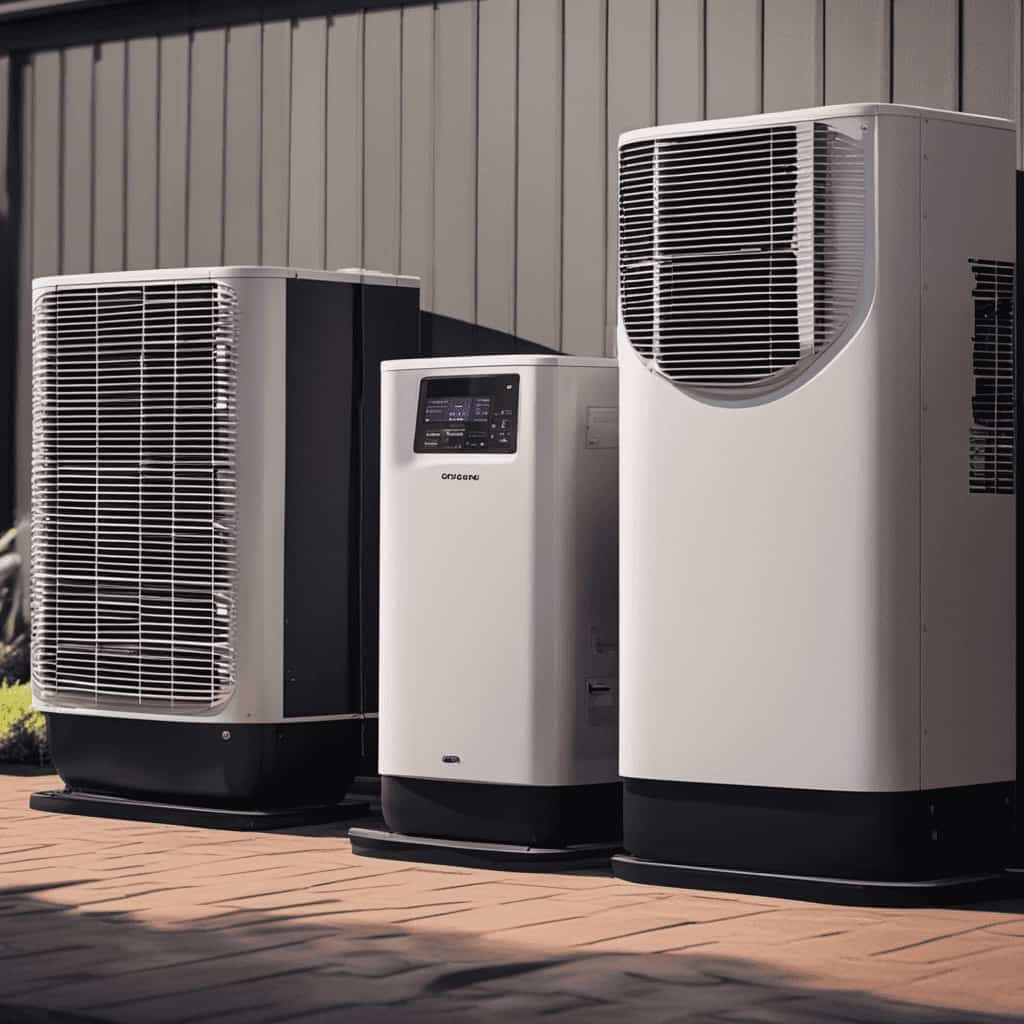
Are you fed up with expensive energy bills and ineffective heating systems? We have the solution for you.
In this article, we delve into the world of heat pump efficiency for energy conservation. We’ll explore the factors that affect efficiency, share best practices for optimizing performance, and help you understand energy ratings.
Plus, we’ll reveal some cutting-edge innovations that can enhance your heat pump’s efficiency.
Get ready to save energy and money with our expert tips and insights. Let’s dive in!
Key Takeaways
- Proper heat pump maintenance, including regular cleaning and inspection, is crucial for optimal performance and energy conservation.
- Heat pump sizing should be carefully considered to maximize efficiency, as undersized units struggle to meet demands while oversized units waste energy.
- Energy ratings, such as SEER and HSPF, provide valuable information on the efficiency of heat pumps and can help consumers choose energy-saving options.
- Implementing energy-saving practices, such as upgrading to a smart thermostat, sealing air leaks, improving insulation, and scheduling professional maintenance, can significantly reduce heat pump energy consumption.

Westinghouse Natural Gas Tankless Water Heater Indoor Installation Max 7.9 GPM 180,000 BTU, WIFI Enable Temp Self Modulating Non Condensing High Efficiency for House or Commercial, APOLO Performance
【On-Demand Efficiency】 Westinghouse tankless water heater works only needed, saving energy and costs. Compact yet powerful for whole-home...
As an affiliate, we earn on qualifying purchases.
Factors Affecting Heat Pump Efficiency
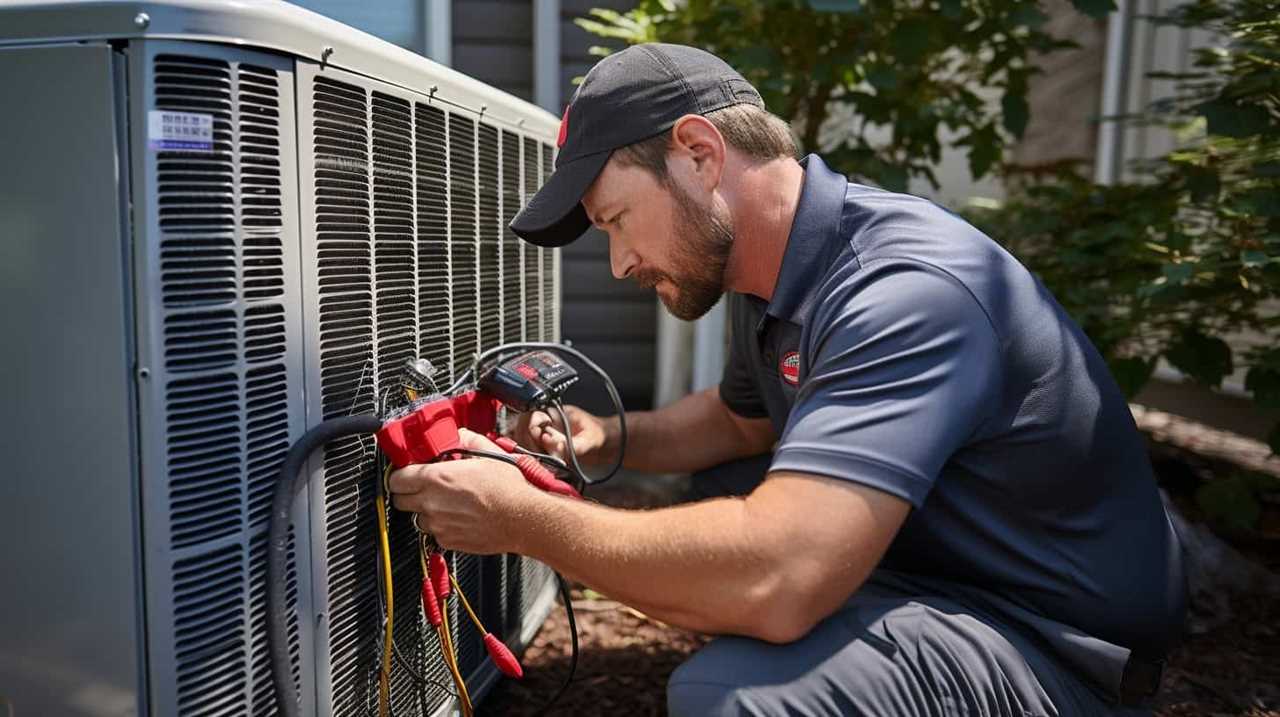
When it comes to improving heat pump efficiency, there are several factors that we need to consider. Proper heat pump maintenance is crucial to ensure optimal performance. Regular cleaning and inspection of the coils, filters, and fans can prevent dirt and debris from obstructing airflow and reducing efficiency. Additionally, lubricating the motor and checking for refrigerant leaks can help maintain peak operation.
Another important factor is heat pump sizing. Choosing the right size heat pump for your space is essential to maximize efficiency. Undersized units will struggle to meet heating or cooling demands, while oversized units will cycle on and off too frequently, leading to energy waste. It’s crucial to consult with professionals to determine the appropriate size for your specific needs.
By addressing these factors, we can improve heat pump efficiency and ultimately save energy and costs.
Now, let’s move on to discussing the best practices for optimizing heat pump performance.
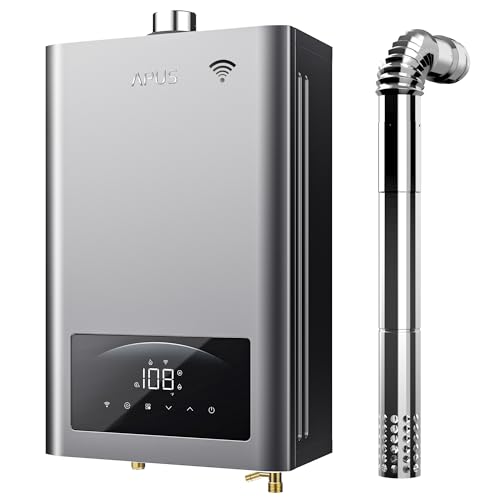
APUS Tankless Water Heater Propane, 140,000 BTU Indoor Installation Up to 6.8 GPM, Zero Cold Water Technology for Instant Hot Water on Demand, Smart Wi-Fi App Control
Instant Hot Water: This upgraded smart propane tankless water heater delivers consistent performance with its 140,000 BTU burner...
As an affiliate, we earn on qualifying purchases.
Best Practices for Optimizing Heat Pump Performance
To achieve optimal heat pump performance, we should follow best practices for maintenance and operation.
Proper heat pump maintenance is crucial to ensure its efficiency and longevity. Regularly cleaning or replacing air filters can prevent airflow restrictions and increase system efficiency.
It’s also important to inspect and clean the outdoor unit to remove any debris that may obstruct the airflow. Additionally, scheduling professional maintenance at least once a year can identify and address any potential issues before they lead to major problems.
Proper heat pump sizing is equally important for optimizing performance. An undersized heat pump will struggle to meet the heating or cooling demands of a space, while an oversized heat pump will cycle on and off frequently, leading to energy wastage.

Consulting with a professional and considering factors like insulation, square footage, and climate can help determine the appropriate size for your heat pump.

23000 BTU Mini Split AC & Heat Pump, 230v Energy Efficient Wall-Mounted Ductless Air Conditioner with WiFi Control, r32 Eco-Friendly Refrigerant, Cools/Heats Up to 1500 Sq.Ft, Quiet Operation
Powerful Cooling & Heating - This 23000 BTU mini split system delivers reliable cooling (63-90℉) and heating (32-80℉)...
As an affiliate, we earn on qualifying purchases.
Understanding Energy Ratings for Heat Pumps
Now, let’s delve into how energy ratings for heat pumps can be understood and utilized effectively. Energy ratings provide valuable information on the energy efficiency of heat pumps, helping consumers make informed decisions about their purchase. The most commonly used energy rating for heat pumps is the Seasonal Energy Efficiency Ratio (SEER). SEER measures the cooling efficiency of the unit over a typical cooling season. Another important rating is the Heating Seasonal Performance Factor (HSPF), which measures the heating efficiency of the heat pump. By comparing the SEER and HSPF ratings of different models, consumers can choose a heat pump that meets their energy saving requirements. It is important to note that energy ratings are based on standardized tests and do not take into account factors such as energy saving techniques or heat pump maintenance. However, regular maintenance and adopting energy saving techniques can further improve the efficiency of heat pumps. In the next section, we will discuss tips for reducing heat pump energy consumption.
| Energy Rating | Description |
|---|---|
| SEER | Measures cooling efficiency over a typical cooling season |
| HSPF | Measures heating efficiency of the heat pump |
Table: Energy Ratings for Heat Pumps
In the table provided, you can see the two main energy ratings for heat pumps: SEER and HSPF. SEER measures the cooling efficiency of the unit, while HSPF measures its heating efficiency. These ratings are based on standardized tests and serve as a useful comparison tool when choosing a heat pump. However, it is important to remember that energy ratings do not take into account factors such as energy saving techniques or heat pump maintenance. To maximize energy efficiency, regular maintenance and implementing energy saving techniques are crucial. In the next section, we will discuss tips for reducing heat pump energy consumption, which will further help you optimize your heat pump’s efficiency.
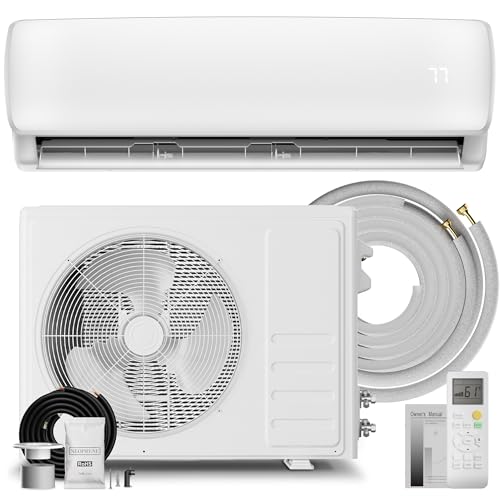
MEPTY 9000BTU Mini Split AC/Heating System, 19 SEER2 Energy Efficient Mini Split Air Conditioner with Heat Pump, 110V Cools Up to 450sq.ft, Ductless Inverter AC Unit with Pre-Charged Condenser
⭐Advanced Energy Saving: Advanced inverter technology with leading 19 SEER2 rating delivers superior performance through ensuring that the...
As an affiliate, we earn on qualifying purchases.
Tips for Reducing Heat Pump Energy Consumption
Implementing energy-saving practices and regularly maintaining our heat pumps can significantly reduce their energy consumption. Here are some tips to help you reduce heat pump energy consumption:
-
Upgrade to a smart thermostat: Smart thermostats allow you to control your heat pump’s settings remotely and create customized schedules, optimizing energy usage.
-
Seal air leaks: Inspect your home for air leaks around windows, doors, and ducts. Properly sealing these areas prevents heat loss and reduces the workload on your heat pump.
-
Improve insulation: Ensure that your home is well-insulated to minimize heat transfer. Insulating walls, attics, and floors can reduce heat pump energy consumption.

-
Clean or replace air filters regularly: Dirty air filters restrict airflow, forcing your heat pump to work harder. Cleaning or replacing filters monthly ensures efficient operation.
-
Schedule professional maintenance: Regular maintenance by a qualified technician can optimize your heat pump’s performance and identify any issues that may be causing higher energy consumption.
Innovations in Heat Pump Technology for Enhanced Efficiency
We have observed significant advancements in heat pump technology, leading to enhanced efficiency and improved performance. One of the innovations that has contributed to this is the integration of smart thermostats with heat pump systems.
Smart thermostats allow for better control and optimization of the heat pump’s operation, ensuring that it operates at the most efficient settings based on the user’s preferences and the current conditions. This integration also enables energy-saving features such as scheduling, remote access, and energy usage monitoring.

Another important innovation is the use of variable speed compressors in heat pumps. Unlike traditional single-speed compressors, variable speed compressors can adjust their speed and capacity according to the heating or cooling demand, resulting in improved efficiency and energy savings.
These advancements in heat pump technology are helping to maximize energy conservation and reduce environmental impact.
Frequently Asked Questions
How Much Does a Heat Pump Installation Cost?
The cost of heat pump installation varies depending on factors such as heat pump size and energy efficiency. It’s important to consider these factors when determining the overall cost of installation.
Can a Heat Pump Be Used in Extreme Cold Climates?
Yes, heat pumps can be used in extreme cold climates. While heat pump efficiency in moderate climates is high, the advantages of heat pumps in extreme cold climates include their ability to extract heat from the air even at low temperatures.

Are Heat Pumps Noisy When in Operation?
Heat pump noise levels can vary, but with proper maintenance, they can be minimized. Regular maintenance ensures optimal performance and reduces the chances of noise issues.
Can a Heat Pump Provide Both Heating and Cooling for a Home?
Yes, a heat pump can provide both heating and cooling for a home. This technology uses the same principles as refrigeration to transfer heat between indoor and outdoor spaces, offering energy-efficient and cost-effective benefits.
Are There Any Government Incentives or Rebates Available for Heat Pump Installations?
Are there government incentives or rebates available for heat pump installations? Yes, there are. These incentives aim to encourage the adoption of energy-efficient technologies, such as heat pumps, by providing financial assistance to homeowners.
Conclusion
In conclusion, understanding heat pump efficiency is crucial for effective energy conservation.
By optimizing heat pump performance through factors such as proper maintenance and understanding energy ratings, we can reduce energy consumption and minimize our environmental impact.
Just like a well-tuned engine, a well-maintained heat pump is like a finely crafted instrument, operating smoothly and efficiently to keep us comfortable while preserving our planet’s resources.