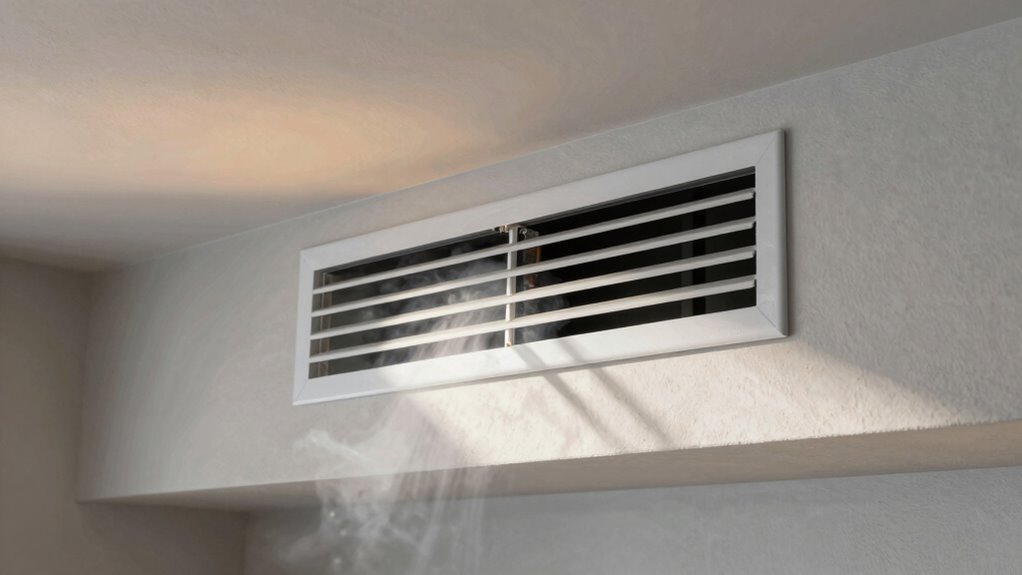

If your ventilation system is poorly designed or managed, you could be wasting a lot of energy without even realizing it. Excessive fresh air intake causes unnecessary heating or cooling costs, while inadequate ventilation can trap pollutants, impacting health and productivity. Using outdated equipment or ignoring proper controls only adds to the energy drain. These hidden penalties silently inflate your building’s expenses, but there’s more to uncover about how to fix these issues and save energy in the process.

Get backup power and energy gear delivered free with Prime
- Fast, free delivery on millions of items
- Prime Video, Amazon Music and more included
- Member-only deals all year
Key Takeaways
- Improper ventilation design leads to excessive energy use for heating or cooling incoming air.
- Over-ventilation wastes energy without improving indoor air quality.
- Under-ventilation causes pollutant buildup, increasing the need for energy-intensive air purification.
- Outdated or poorly maintained systems reduce efficiency, raising energy costs unnoticed.
- Lack of adaptive controls results in continuous energy drain, even when ventilation needs are low.
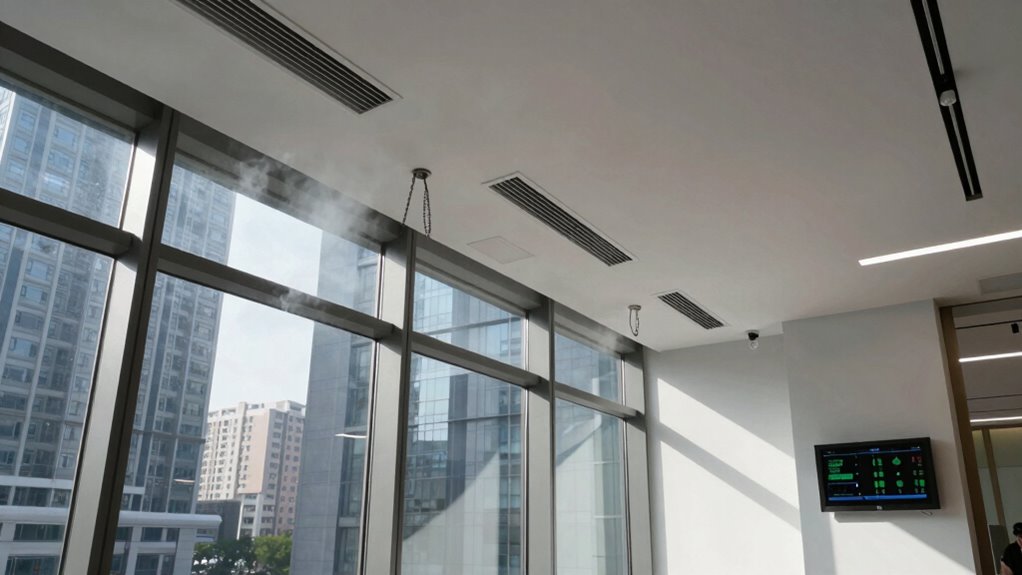
Have you ever wondered how much energy is lost when ventilation systems bring fresh air into buildings? It’s a question that reveals a hidden cost many overlook. Every time your building’s ventilation system operates, it consumes energy—energy that often goes unnoticed in the bigger picture of building efficiency. When ventilation isn’t designed or managed properly, it can lead to considerable energy penalties, impacting both your utility bills and the environment. The key lies in understanding how indoor air quality and ventilation standards intersect. Good indoor air quality is crucial for health, comfort, and productivity, but achieving it without excessive energy use requires a delicate balance. Ventilation standards, such as those established by ASHRAE, guide how much fresh air a building should intake to maintain a healthy environment. However, many buildings either over-ventilate or under-ventilate, both of which have consequences. Over-ventilation leads to unnecessary energy consumption, as heating or cooling the incoming air becomes an energy drain. Under-ventilation, on the other hand, can compromise indoor air quality, leading to discomfort or health issues.
When ventilation is done improperly, you might find yourself caught in a cycle of waste. For example, if the system introduces too much outside air without proper heat recovery or energy-efficient controls, you’re essentially flushing energy down the drain. Conversely, if the system doesn’t bring in enough fresh air, indoor pollutants can accumulate, affecting air quality and occupant well-being. Striking the right balance requires adherence to ventilation standards, which specify ideal air exchange rates based on building use and occupancy. Modern systems often incorporate sensors and controls to adjust ventilation based on real-time needs, reducing energy waste. Additionally, integrating home security systems with smart controls can help optimize ventilation operation, ensuring energy is used efficiently without compromising safety. Proper ventilation management can significantly improve energy efficiency by preventing overuse and ensuring systems operate only when needed. Recognizing the importance of energy-efficient equipment is essential for reducing overall energy penalties, as outdated or poorly maintained systems tend to be less effective and more wasteful. Implementing proper control strategies can further enhance performance by adjusting ventilation rates dynamically, based on actual occupancy and air quality data. Understanding how building ventilation standards influence system design can also lead to better energy performance and indoor air quality outcomes.
The impact of poor ventilation on energy use isn’t just a matter of cost; it also affects your building’s sustainability profile. By optimizing ventilation practices—using energy-efficient equipment, proper control strategies, and adhering to standards—you can considerably reduce energy penalties. It’s about making smart choices that prioritize indoor air quality without wasting energy. When done correctly, ventilation becomes an asset rather than a liability, ensuring a healthy indoor environment while keeping energy consumption in check. So, next time you evaluate your building’s ventilation system, remember: investing in proper design and controls isn’t just about comfort; it’s about avoiding the hidden energy penalties that come from doing it wrong.
energy-efficient ventilation system
As an affiliate, we earn on qualifying purchases.
As an affiliate, we earn on qualifying purchases.
Frequently Asked Questions
How Can I Identify if My Ventilation System Is Inefficient?
You can identify if your ventilation system is inefficient by checking airflow levels and noticing inconsistent airflow or stuffy indoor air. Conduct airflow optimization and ventilation calibration to guarantee proper air exchange. If you experience uneven ventilation, high energy bills, or persistent indoor odors, these are signs your system isn’t working efficiently. Regular maintenance and professional assessments help detect issues early, improving performance and reducing energy waste.
What Are Common Mistakes in Residential Ventilation Setups?
Ever wondered if your ventilation setup is doing its job? Common mistakes include poor air exchange, which leads to stale air, and neglecting moisture control, causing mold issues. You might have improperly sealed ducts or installed an ineffective exhaust system. These errors waste energy and compromise indoor air quality. To fix this, make sure your system promotes proper air exchange and moisture removal, keeping your home healthier and more efficient.
Does Increasing Ventilation Always Lead to Higher Energy Costs?
Increasing ventilation doesn’t always mean higher energy costs. If you choose energy-efficient systems and properly balance indoor air quality with energy use, you can improve indoor air without substantially impacting your energy efficiency. Properly designed ventilation manages indoor air while minimizing energy loss, so you maintain comfort and air quality without unnecessary expenses. Focus on smart ventilation solutions to keep indoor air fresh while keeping energy costs in check.
Can Smart Ventilation Systems Reduce Energy Penalties?
Yes, smart ventilation systems can reduce energy penalties. By integrating energy-efficient components and smart control technology, these systems optimize airflow based on occupancy and air quality, preventing unnecessary energy use. You can enjoy better indoor air quality without substantially increasing energy costs. Smart controls adjust ventilation dynamically, ensuring you get fresh air when needed and conserve energy when it’s not. This makes your system more efficient and cost-effective overall.
What Maintenance Practices Minimize Ventilation Energy Waste?
You can minimize ventilation energy waste by practicing regular filter maintenance and airflow optimization. Change filters promptly to prevent airflow restrictions that force systems to work harder, wasting energy. Additionally, guarantee vents and ducts are clear of obstructions and properly sealed to maintain efficient airflow. Regularly inspecting and adjusting your ventilation system helps keep energy use low, improves air quality, and prevents unnecessary strain on your HVAC components.
As an affiliate, we earn on qualifying purchases.
Conclusion
So, next time you think about skimping on proper ventilation, remember: cutting corners might just turn your energy savings into a costly irony. You’d be surprised how something as simple as doing it wrong can drain your wallet and waste energy faster than you can say “fresh air.” Ironically, the very effort to save energy could end up costing you more if you overlook the right approach. Sometimes, doing it right is the smartest, most energy-efficient move you can make.
As an affiliate, we earn on qualifying purchases.
As an affiliate, we earn on qualifying purchases.
Halloween Picks
halloween
As an affiliate, we earn on qualifying purchases.