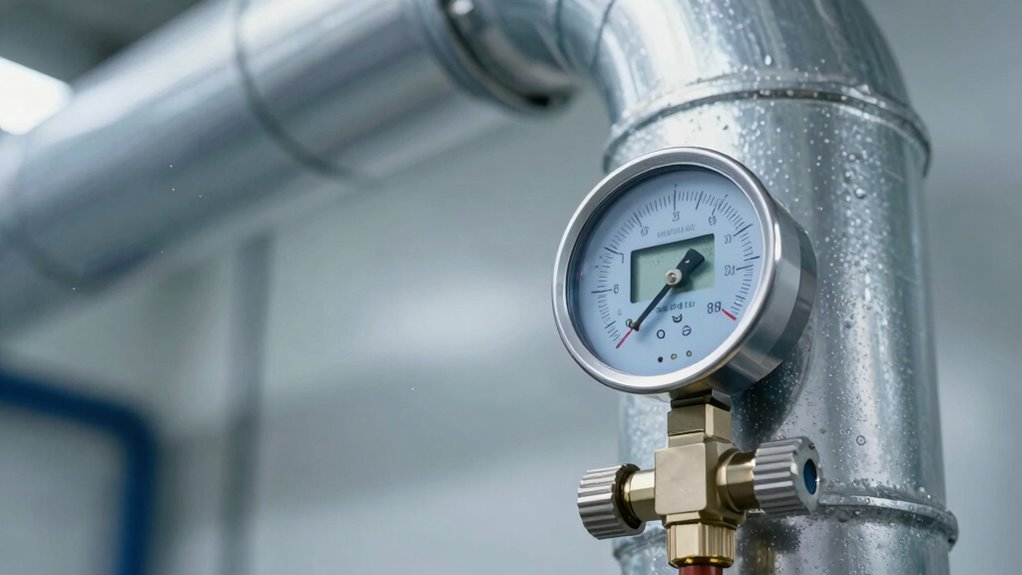
Many HVAC systems ignore static pressure because it’s often overlooked, even though it directly impacts airflow, efficiency, and component wear. When static pressure is too high or too low, it causes uneven heating or cooling and increases energy costs. Poor duct design and inadequate airflow measurements worsen the problem. By paying attention to static pressure, you can prevent costly repairs and boost system performance. Keep exploring to discover how properly managing static pressure can improve your system’s longevity and comfort.

Get backup power and energy gear delivered free — and shop member deals
- Fast, free delivery on millions of items
- Access to Prime Big Deal Days deals on October 6–7
- Prime Video, Amazon Music and more included
Key Takeaways
- Many systems overlook static pressure, leading to inefficient airflow and uneven heating or cooling.
- Ignoring static pressure causes increased energy costs and reduces HVAC system lifespan.
- Poor duct design and failure to measure static pressure result in higher resistance and system strain.
- Unmonitored static pressure can hide issues like leaks, reducing system reliability and efficiency.
- Maintaining proper static pressure ensures optimal performance, comfort, and longevity of HVAC components.
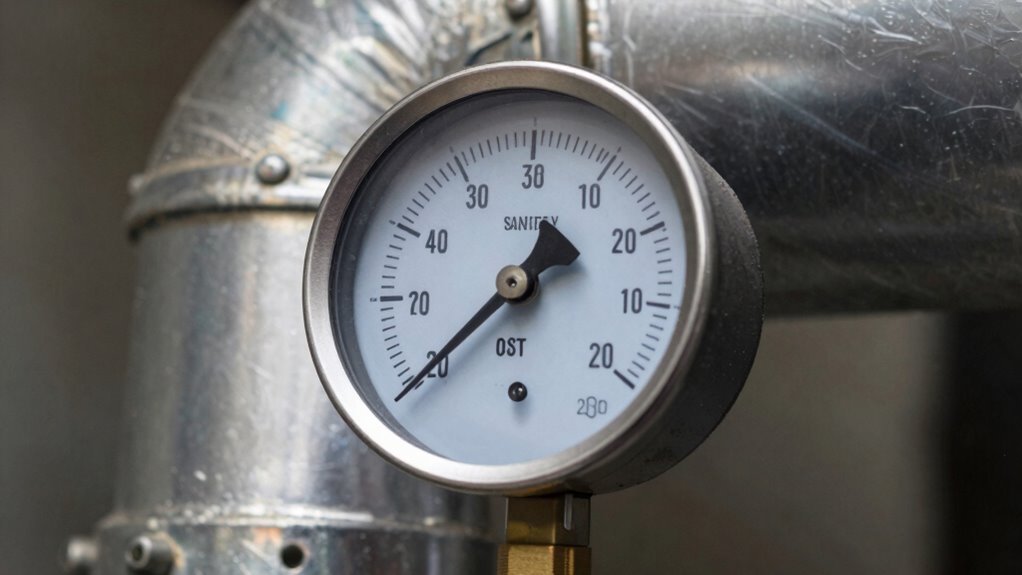
Understanding static pressure in HVAC systems is essential because it directly impacts airflow efficiency and system performance. When static pressure is too high or too low, it can cause uneven heating or cooling, reduce system lifespan, and increase energy costs. Many HVAC technicians and homeowners overlook this critical factor, focusing instead on temperature settings or equipment size. But without proper airflow measurement and duct design, your system can’t operate at its best. Static pressure acts like the resistance that airflow encounters as it moves through ducts and components. If that resistance is misjudged or ignored, airflow can become restricted, leading to poor comfort levels and unnecessary strain on your HVAC equipment. Additionally, the technology behind different ventilation methods influences how static pressure impacts overall airflow. You need to understand how airflow measurement plays a role here. It’s not just about how much air moves in a room—it’s about how efficiently that air circulates through your entire system. When airflow is inadequate because static pressure is too high, your system has to work harder to push air through the ducts. This extra effort consumes more energy and accelerates wear and tear on parts like blowers and fans. Conversely, low static pressure might indicate leaks, poorly designed ducts, or insufficient airflow, which can cause uneven temperature distribution and discomfort. Regularly measuring airflow helps you identify these issues early, preventing costly repairs and ensuring your system operates at its best. Proper duct design and installation are also crucial for maintaining optimal static pressure levels. Additionally, understanding the relationship between static pressure and airflow can help you troubleshoot and optimize your HVAC system more effectively. Duct design is another key element influencing static pressure. Poorly designed or improperly installed ducts increase resistance, creating higher static pressure that hampers airflow. Oversized or undersized ducts, sharp bends, or cluttered pathways all contribute to unnecessary resistance. When your duct system isn’t properly designed, static pressure rises, and airflow drops, leading to inefficient heating or cooling. By paying attention to duct design, you can reduce the resistance and achieve a balanced airflow that maintains proper static pressure. This not only improves comfort but also enhances energy efficiency, saving you money in the long run. Recognizing the impact of static pressure on system performance can help prevent unnecessary wear and tear. Many systems fail because they neglect the importance of static pressure until problems become severe. Instead of waiting for uneven temperatures, noise, or high energy bills, you should proactively monitor and manage static pressure. Investing in proper airflow measurement methods and ensuring your duct design is up to standards helps maintain ideal static pressure levels. Proper airflow measurement techniques can reveal hidden issues before they escalate, saving time and money. Ultimately, understanding and controlling static pressure isn’t just a technical detail; it’s a critical aspect of a reliable, efficient HVAC system that keeps your space comfortable and your costs down.
As an affiliate, we earn on qualifying purchases.
Frequently Asked Questions
How Often Should Static Pressure Be Checked in HVAC Systems?
You should check static pressure monthly to guarantee ideal airflow and prevent issues. Regular monitoring helps you identify airflow restrictions early, allowing for effective duct sealing and maintaining system efficiency. By consistently checking static pressure, you ensure your HVAC operates smoothly, reduces energy costs, and prolongs equipment life. Make this a routine part of your maintenance schedule for better airflow enhancement and a more comfortable indoor environment.
Can Improper Static Pressure Cause System Breakdowns?
Think of improper static pressure as a hidden villain sabotaging your system’s health. When static pressure is off, airflow disruption occurs, straining components and risking breakdowns. Ignoring this issue shortens your system’s longevity and leads to costly repairs. By maintaining proper static pressure, you guarantee smooth airflow, protect your equipment, and extend its lifespan, keeping your HVAC running efficiently and reliably for years to come.
What Tools Are Used to Measure Static Pressure?
You use a manometer or a magnehelic gauge to measure static pressure, ensuring proper tools calibration for accuracy. These tools measure pressure differential between supply and return ducts, helping you assess system airflow. Proper calibration is essential for reliable readings, so regularly check your instruments. By accurately measuring static pressure, you prevent potential system issues and improve efficiency, making sure your HVAC system runs smoothly and effectively.
Does Static Pressure Affect Energy Efficiency?
Imagine your HVAC system as a finely tuned orchestra, where static pressure acts as the conductor guiding airflow. When static pressure is off, airflow suffers, leading to inefficient operation. Proper airflow optimization and system calibration guarantee the pressure remains balanced, reducing energy waste. Ignoring static pressure can cause your system to work harder, increasing energy consumption and costs. Keeping static pressure in check maximizes efficiency and prolongs your system’s life.
How Does Duct Design Influence Static Pressure Levels?
Duct design directly influences static pressure levels through proper duct sizing and maintaining airflow balance. If ducts are too narrow or improperly sized, static pressure increases, making your system work harder. Conversely, correctly sized ducts promote smooth airflow and lower static pressure. Ensuring balanced airflow throughout your ductwork minimizes pressure fluctuations, enhances system efficiency, and prolongs equipment lifespan. Proper design is key to maintaining ideal static pressure levels in your HVAC system.
airflow measurement tools for HVAC
As an affiliate, we earn on qualifying purchases.
As an affiliate, we earn on qualifying purchases.
Conclusion
Understanding static pressure is essential because it directly impacts your HVAC system’s efficiency. Did you know that improperly managed static pressure can reduce your system’s lifespan by up to 30%? Ignoring this number often leads to higher energy bills and frequent repairs. So, next time you think about tuning your HVAC, remember static pressure isn’t just a number—it’s a critical sign of your system’s health. Keep it in check, and you’ll enjoy better comfort and savings.
duct design and installation kit
As an affiliate, we earn on qualifying purchases.
As an affiliate, we earn on qualifying purchases.
As an affiliate, we earn on qualifying purchases.
Fall Picks
fall essentials
As an affiliate, we earn on qualifying purchases.



![Fil-C: Garbage In, Memory Safety Out [Video]](https://bestheatpumpro.com/wp-content/uploads/2026/07/fil-c-garbage-in-memory-safety-out-video-featured-560x300.jpg)