
TL;DR

Get backup power and energy gear delivered free — and shop member deals
- Fast, free delivery on millions of items
- Access to Prime Big Deal Days deals on October 6–7
- Prime Video, Amazon Music and more included
A hobbyist describes their process of designing and building their first PCB, including software choices, component sourcing, and assembly. The story offers insights for other beginners interested in electronics projects.
A hobbyist has successfully designed and assembled their first printed circuit board (PCB), marking a significant milestone in their electronics journey. This development demonstrates the growing accessibility of PCB design for beginners and offers practical insights for others starting out.
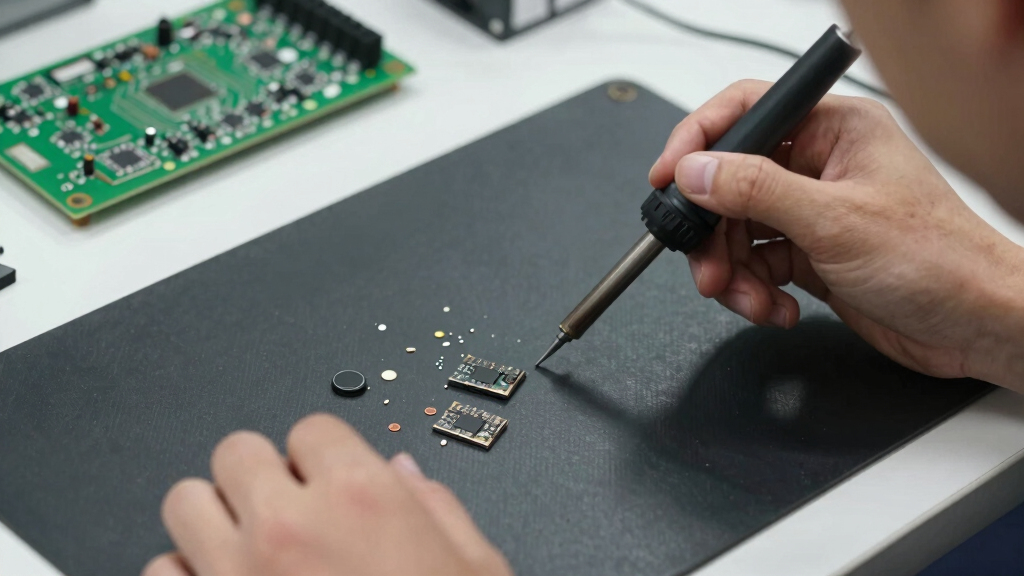
The individual used free PCB design software, such as KiCad, to create their layout, which involved learning about circuit schematics, component placement, and routing. After finalizing the design, they ordered the PCB fabrication from an online manufacturer, receiving the printed boards within a few weeks. Assembly involved soldering components onto the PCB, a process they approached with care and patience. They encountered challenges related to component placement and soldering precision but successfully completed the project. The entire process was documented and shared online, serving as a resource for other beginners.Sources confirm that the hobbyist used accessible tools and resources, emphasizing that designing a functional PCB is achievable without professional experience. The project was self-initiated, with no external funding or sponsorship involved. The final assembled PCB functions as intended, validating the design and assembly approach.While the project was completed successfully, the hobbyist notes that there are still areas for improvement, such as optimizing layout efficiency and learning advanced soldering techniques. They plan to undertake more complex projects in the future, building on this foundational experience.Why First-Time PCB Design Inspires Broader Accessibility
This experience highlights how accessible PCB design has become for hobbyists and newcomers, thanks to free software, affordable manufacturing options, and online tutorials. It lowers the barrier to entry for electronics enthusiasts, students, and inventors, enabling more people to prototype and develop custom electronic devices. The project also demonstrates that hands-on learning through practical projects can accelerate understanding of circuit design and manufacturing, fostering innovation at the grassroots level.As an affiliate, we earn on qualifying purchases.
Recent Growth in DIY PCB Projects and Resources
Over the past few years, the availability of free PCB design software like KiCad and EasyEDA has increased, alongside affordable PCB fabrication services such as JLCPCB and PCBWay. These developments have made it easier for individuals to transition from conceptual schematics to physical prototypes without significant investment. Educational initiatives and online communities have further supported beginners by sharing tutorials, troubleshooting tips, and project ideas. This trend reflects a broader shift toward democratizing electronics design, encouraging more hobbyists and students to experiment with circuit creation.“Designing my first PCB was challenging but incredibly rewarding. It showed me how accessible electronics design really is today.”
— the hobbyist
As an affiliate, we earn on qualifying purchases.
Remaining Challenges and Knowledge Gaps in DIY PCB Projects
While the hobbyist successfully completed their first PCB, it is not yet clear how their experience compares to more complex or high-frequency designs. Specific issues such as signal integrity, thermal management, and long-term durability remain untested in this initial project. Additionally, the learning curve for more advanced features of PCB design software and assembly techniques is still steep for many beginners.As an affiliate, we earn on qualifying purchases.
Next Steps for Beginner PCB Designers and Enthusiasts
The hobbyist plans to experiment with more complex circuits, incorporating surface-mount components and multi-layer designs. They also aim to improve their soldering skills and explore automated assembly methods. Community forums and online courses are likely to be their next resources for expanding expertise. Sharing their experience through tutorials and project logs may inspire others to undertake similar projects.As an affiliate, we earn on qualifying purchases.
Key Questions
What software can I use to design my first PCB?
Popular free options include KiCad and EasyEDA, which are user-friendly for beginners and widely supported by online tutorials.
How do I get my PCB manufactured?
Online PCB fabrication services such as JLCPCB and PCBWay offer affordable and quick manufacturing options, often with minimal setup requirements.
What are the main challenges when assembling a PCB for the first time?
Common challenges include precise soldering, especially with small or surface-mount components, and ensuring correct component placement to avoid errors that can affect functionality.
Can I learn PCB design without prior electronics experience?
Yes, many beginners start with simple projects, supported by online tutorials and community forums. Patience and practice are key to mastering PCB layout and assembly.
Source: hn
Halloween Picks
halloween
As an affiliate, we earn on qualifying purchases.