Loop flushing and purging help you keep your piping systems clean and efficient by removing debris, stagnant water, and contaminants. You improve system reliability and reduce the risk of blockages, corrosion, and failures. These processes also boost safety, extend the lifespan of your pipes, and support energy efficiency. Routine flushing and purging prevent unexpected breakdowns and catch issues early. Continue exploring to discover how these steps can protect your investment and optimize your system’s performance.
Key Takeaways
- Removes debris, rust, and biofilm to ensure clean, unobstructed flow within piping systems.
- Eliminates air pockets and stagnant water, promoting optimal pressure and flow conditions.
- Prevents corrosion, blockages, and system failures, extending the lifespan of pipes.
- Improves system efficiency, reducing energy consumption and operational costs.
- Supports safety and compliance by minimizing contamination and toxin buildup.
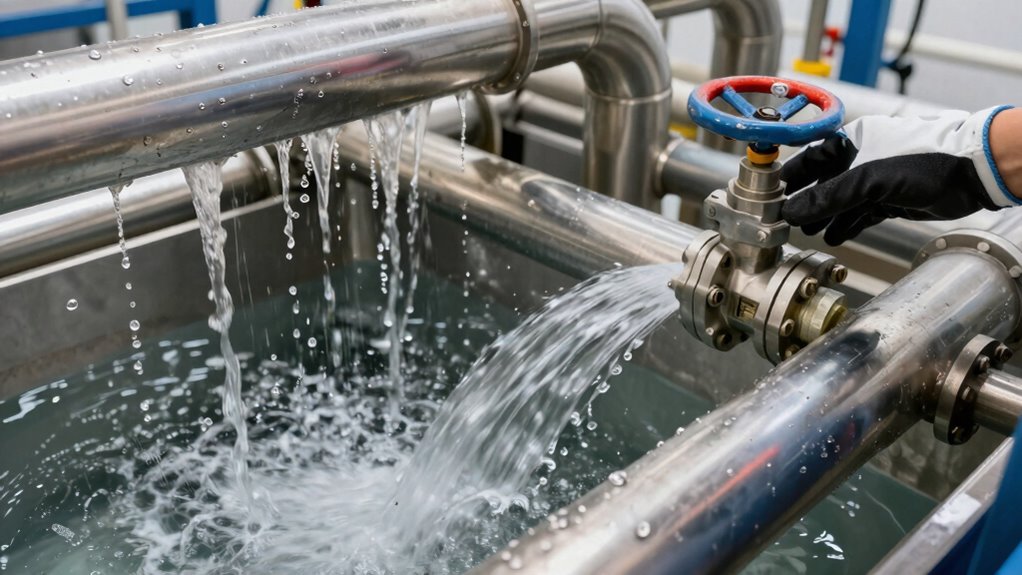
Have you ever wondered why regular loop flushing and purging are essential for your piping systems? These maintenance procedures play a key role in guaranteeing your system operates smoothly and efficiently. When you perform loop flushing and purging regularly, you’re actively enhancing system reliability by removing debris, stagnant water, and potential contaminants that can accumulate over time. This proactive approach helps prevent blockages, corrosion, and other issues that could lead to system failure or costly repairs.
Loop flushing involves running water or another cleaning medium through the piping network at high velocity. This process dislodges and washes away dirt, rust, biofilm, and other deposits that tend to settle inside pipes. By doing so, you maintain a clean flow path, which reduces the risk of clogs and uneven wear. Purging, on the other hand, typically involves removing air or old fluid from the system and replacing it with fresh material. This step guarantees that no air pockets or stagnant water remain, both of which can impair system performance or cause localized corrosion. Combining these procedures helps you maintain ideal flow and pressure, which are crucial for system reliability. Proper water flow management ensures your system remains optimal and prevents issues caused by stagnant or contaminated water.
Loop flushing dislodges debris at high velocity, maintaining clean flow paths and preventing clogs and uneven wear.
From a maintenance perspective, loop flushing and purging are straightforward yet powerful tools. They’re part of routine maintenance procedures that can extend the lifespan of your piping infrastructure. When you keep your system clean and free of debris, you minimize the likelihood of unexpected breakdowns and reduce downtime. Regular flushing and purging also help you identify potential issues early—like leaks or corrosion—before they escalate into major failures. This proactive monitoring and preventative maintenance approach save you money and effort in the long run, making your maintenance procedures more effective. Additionally, implementing these procedures correctly can help prevent the buildup of toxins and fumes, which is especially important for maintaining safe operation in fire-prone environments. Proper system upkeep also contributes to environmental safety by reducing the risk of contaminant leaks.
By incorporating these steps into your regular schedule, you guarantee your piping system remains in top condition. It’s not just about preventing failures; it’s about maintaining consistent performance and energy efficiency. Properly flushed and purged systems operate more smoothly, with less resistance and wear. This improvement translates into lower operational costs and fewer emergency repairs. Additionally, maintaining system reliability through these procedures can help you meet safety standards and regulatory requirements, avoiding penalties or shutdowns. Utilizing system maintenance best practices is essential for ensuring long-term operational success.
In essence, loop flushing and purging accomplish more than just cleaning; they preserve the integrity and efficiency of your entire piping network. You’re actively protecting your investment, ensuring longevity, and promoting safe, reliable operation. By integrating these maintenance procedures into your routine, you’re taking control of your system’s health, reducing risks, and securing peace of mind.
As an affiliate, we earn on qualifying purchases.
Frequently Asked Questions
How Often Should Loop Flushing and Purging Be Performed?
You should perform loop flushing and purging based on your maintenance schedules or when chemical compatibility issues arise. Typically, doing this every 6 to 12 months guarantees your system stays clean and efficient. Regular flushing prevents buildup and corrosion, but always follow manufacturer recommendations. Adjust frequency if your system handles aggressive chemicals or experiences high usage, guaranteeing ideal performance and longevity for your equipment.
What Tools Are Needed for Effective Loop Flushing?
Imagine you’re flushing a system contaminated with chemicals; you’ll need specific tools like a flush cart, compatible hoses, and sampling bottles. For effective loop flushing, guarantee your tools are compatible with the equipment to prevent chemical contamination. You also need a chemical-resistant pump and proper filtration. Using the right tools minimizes risks, ensures thorough cleaning, and maintains the integrity of your system, especially when dealing with sensitive or reactive substances.
Can Loop Flushing Prevent System Failures?
Yes, loop flushing can help prevent system failures by removing debris and contaminants that cause blockages or corrosion. When you choose compatible chemicals, you minimize risks to your system and reduce environmental impact. Proper flushing guarantees peak performance and longevity. Regular maintenance with chemical compatibility in mind keeps your system running smoothly, preventing costly failures and minimizing environmental harm. So, yes, effective flushing plays a vital role in system reliability.
Are There Risks Associated With Improper Flushing Procedures?
Yes, improper flushing procedures can pose risks like corrosion and contamination. If you don’t follow correct steps, residual debris or chemicals may cause corrosion, damaging system components. Poor flushing also risks contaminating the system, compromising performance and safety. To prevent these issues, guarantee proper procedures are followed, focusing on contamination control and corrosion prevention. Regular training and strict protocols help minimize risks and keep your system running smoothly.
How Do I Know if My System Needs Flushing or Purging?
Imagine your system as a garden that needs clearing of weeds and debris. If you notice signs like chemical contamination or system corrosion, it’s time for a flush or purge. You might see reduced efficiency, strange noises, or leaks. These symptoms indicate buildup that could harm your equipment. Regular flushing keeps your system healthy, removing harmful residues and preventing corrosion, ensuring smooth operation and prolonging its lifespan.
industrial pipe purging equipment
As an affiliate, we earn on qualifying purchases.
As an affiliate, we earn on qualifying purchases.
Conclusion
Remember, a stitch in time saves nine. Properly flushing and purging your loops guarantees your system runs smoothly and efficiently, preventing costly damage down the line. By regularly maintaining your equipment, you’re not just avoiding troubles—you’re investing in its longevity. Don’t wait until small issues become big problems; stay proactive. With diligent care, your system will perform at its best, proving that an ounce of prevention truly is worth a pound of cure.
As an affiliate, we earn on qualifying purchases.
As an affiliate, we earn on qualifying purchases.