
TL;DR

Get backup power and energy gear delivered free — and shop member deals
- Fast, free delivery on millions of items
- Access to Prime Big Deal Days deals on October 6–7
- Prime Video, Amazon Music and more included
Gov. Gavin Newsom signed two California bills intended to expand virtual power plants and limit utility costs tied to peak electricity demand. The laws could let customers be paid for using batteries, electric vehicles and smart devices to support the grid, but regulators and the next governor will shape whether customers see savings.
California Gov. Gavin Newsom signed two bills on Wednesday that aim to expand virtual power plants and curb electricity costs by paying customers to use batteries, electric vehicles and other devices to ease pressure on the grid. The measures target expenses associated with meeting peak demand, though their effect on household bills will depend on how state regulators carry them out.
The bills, SB 913 and SB 905, address separate costs utilities face during periods of high electricity demand. SB 913 targets spending to keep aging gas-fired “peaker” power plants available for the limited hours when demand is highest. SB 905 focuses on grid investments built to serve those peaks, capacity that may be underused at other times.
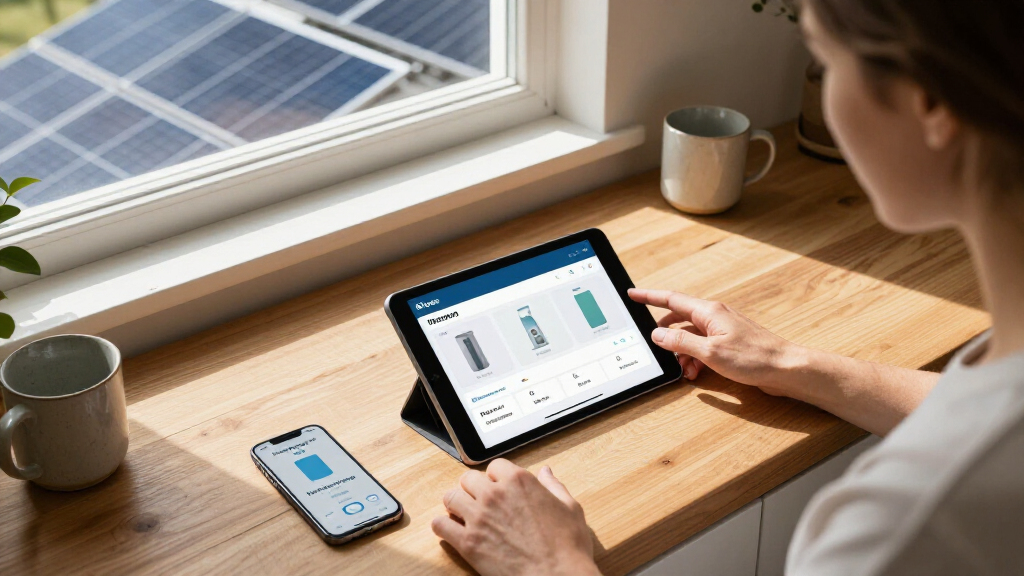
Virtual power plants combine distributed resources such as home batteries, electric vehicles, chargers and smart thermostats. When coordinated, those devices can shift electricity use or supply stored power during stressed periods, often hot summer evenings. The bills are intended to make it easier to use that flexibility as an alternative to some power-plant and grid costs.
The legislation also changes how utilities finance wildfire-prevention and mitigation investments, including limits on returns tied to some spending and requirements to borrow more for a share of grid investments. The report says utilities opposed these provisions. Newsom signed other energy-affordability bills as well, but vetoed a proposal to overhaul California’s underused community solar-and-battery market.
Lower Peak Costs, If Programs Work
Electricity rates are a major concern for California households. The source report says average residential rates at the state’s three major investor-owned utilities have risen to roughly twice the U.S. average over the past decade, while the utilities have reported record profits. The new laws seek to address some of the system costs that can feed into customer bills, rather than relying only on new power plants or expanded grid capacity to serve short-lived demand spikes.
If customers and aggregators can reliably reduce demand or discharge batteries when the grid is strained, utilities may be able to avoid some spending on peak capacity. But that outcome is not guaranteed: the measures do not by themselves establish how much customers will be paid, how many resources will take part or how much utility spending will be avoided. Lower bills remain a possible result, not a confirmed one.
As an affiliate, we earn on qualifying purchases.
A Change After Earlier Vetoes
Newsom’s support marks a shift from his recent record on virtual power plants. He vetoed three VPP-related bills last year, and his administration sought repeated funding cuts to the state’s main virtual-power-plant program. The source report says that program may be unable to continue next year unless lawmakers and the incoming governor agree on funding.
The governor’s broader approach to energy costs has drawn criticism from advocates who wanted wider utility reforms. This year’s bills passed amid public concern over rising power costs and alongside other measures intended to restrain utility spending. The state has also moved to support transmission projects: Newsom signed AB 192 last month, providing $325 million for a transmission accelerator effort established under a prior law.
“I’d say we saw today a lot of evidence that Gov. Newsom has really prioritized affordability and accountability to an increased extent.”
— Mark Toney, executive director of The Utility Reform Network
As an affiliate, we earn on qualifying purchases.
Savings Depend on State Rules
The bills establish policy direction, but the report does not specify how much participating customers will be paid, which devices or programs will qualify, or how utilities must calculate and verify their contributions. Those details will affect whether virtual power plants can provide grid services at a lower cost than conventional investments.
It is also unclear how the California Public Utilities Commission will implement the laws, how quickly programs could expand, and whether the state’s existing VPP program will receive enough funding to operate next year. The report describes that program’s future as uncertain; it does not say that closure has been decided.
As an affiliate, we earn on qualifying purchases.
Regulators Set the Practical Terms
The California Public Utilities Commission will have a central role in turning the bills into rules and utility requirements. The next governor will oversee implementation, while lawmakers may need to address funding for the existing virtual-power-plant program. Customer participation, payment terms and utility compliance will help determine whether the legislation produces measurable changes in peak demand and electricity costs.
For now, Newsom’s signatures authorize a new approach to managing peak-period costs, but do not establish a specific rate reduction or timeline for savings. The clearest next milestones are the commission’s implementation decisions and any agreement on continued funding for the state program.
smart thermostats for energy savings
As an affiliate, we earn on qualifying purchases.
As an affiliate, we earn on qualifying purchases.
Key Questions
What did Newsom sign?
He signed SB 913 and SB 905, two bills intended to support virtual power plants and address utility costs linked to peak demand and grid investments.
What is a virtual power plant?
It is a coordinated group of customer-owned devices, such as batteries, electric vehicles and smart thermostats, that can shift electricity use or provide stored power when the grid is under stress.
Will the bills lower electricity bills?
That is not yet confirmed. The laws aim to reduce some peak-related costs, but customer savings depend on implementation by regulators and the next administration.
What happens to California’s existing virtual-power-plant program?
Its future funding is uncertain. The report says it may be unable to continue next year unless the legislature and the next governor reach an agreement.
Source: rss
Halloween Picks
halloween
As an affiliate, we earn on qualifying purchases.