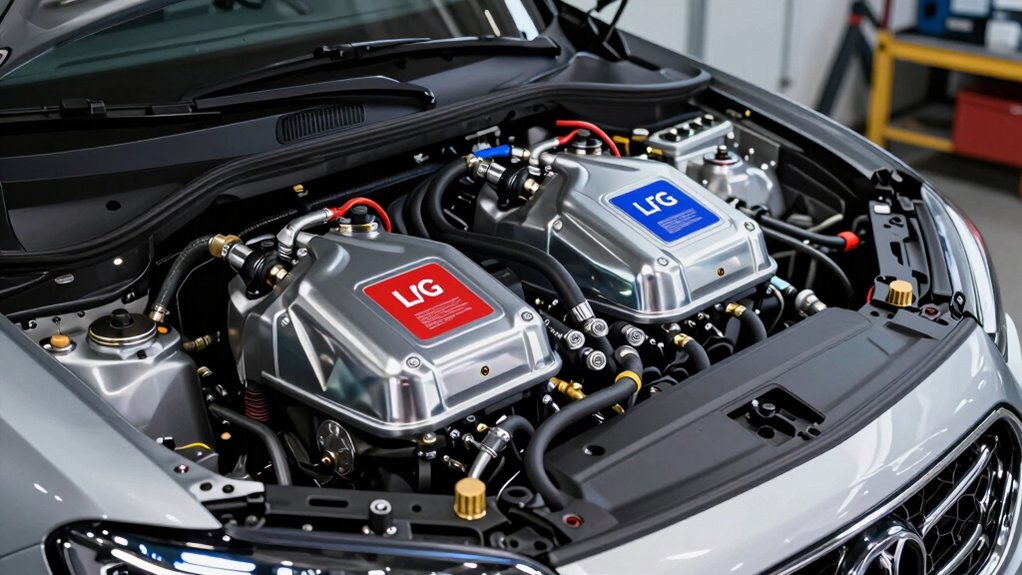

Choosing between dual fuel and gasoline-only vehicles isn’t just about upfront costs; it’s about flexibility, efficiency, and environmental impact. Dual fuel systems let you switch between gasoline and alternative fuels like ethanol or CNG, saving money and reducing emissions—if managed well. Gasoline-only vehicles are simpler and easier to maintain but lack that versatility. To truly understand how these options match your driving style and priorities, keep exploring what each setup offers.

Get backup power and energy gear delivered free with Prime
- Fast, free delivery on millions of items
- Prime Video, Amazon Music and more included
- Member-only deals all year
Key Takeaways
- Dual fuel systems offer flexibility to switch between gasoline and alternative fuels, optimizing cost and environmental impact.
- Proper calibration enhances engine efficiency and performance across different fuel types.
- Gasoline-only vehicles are simpler, more widely available, and easier to maintain but lack fuel versatility.
- Fuel availability and driving habits significantly influence whether dual fuel or gasoline is more practical.
- The decision hinges on priorities like cost savings, emissions, convenience, and regional fuel infrastructure.
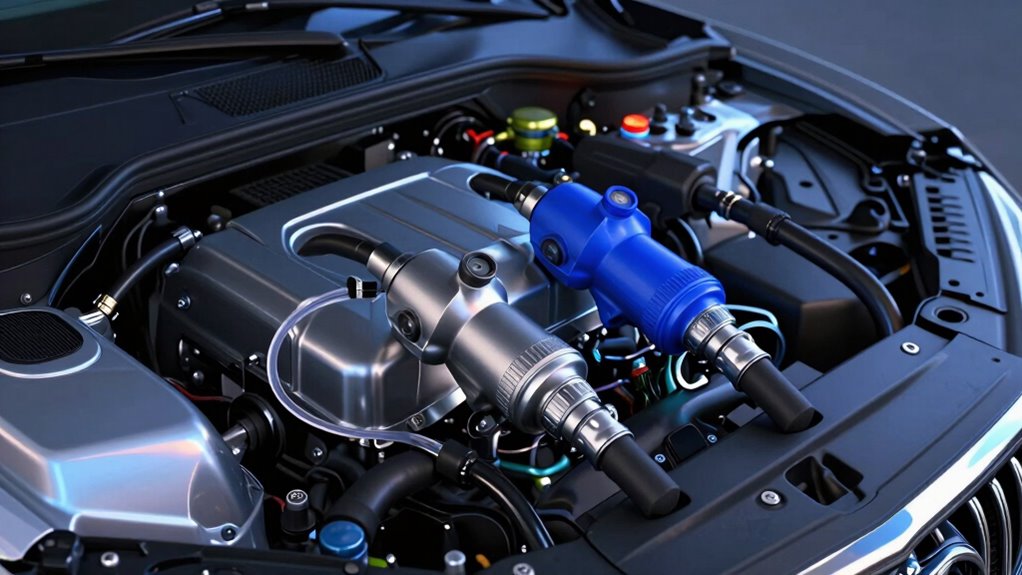
Choosing between dual fuel and gasoline options can considerably impact your vehicle’s performance, efficiency, and flexibility. When you opt for a dual fuel system, you’re fundamentally giving yourself the ability to switch between gasoline and an alternative fuel, such as ethanol, compressed natural gas, or propane. This flexibility can be a game-changer, especially if you’re looking to reduce fuel costs or lower your vehicle’s environmental impact. But it’s also important to understand how this choice affects engine efficiency. Dual fuel systems are designed to optimize engine performance across different fuel types, but the efficiency can vary depending on the specific setup and fuel quality. If managed properly, you can enjoy a smoother ride and better fuel economy, particularly when using an alternative fuel that burns cleaner and produces fewer emissions. Additionally, understanding the calibration of your dual fuel system can help you maximize efficiency and performance.
Dual fuel systems offer flexible performance and potential fuel savings, but efficiency depends on setup and fuel quality.
On the other hand, sticking with gasoline might seem simpler. Gasoline engines are well-established, with widespread availability and a proven track record of reliability. They’re straightforward to maintain, and most mechanics are familiar with them. However, gasoline’s engine efficiency can decline over time, especially if the fuel quality isn’t consistent. Gasoline engines tend to produce higher emissions compared to alternative fuel options, which can be a concern if you’re trying to minimize your carbon footprint. While gas-only vehicles might cost less upfront, they often lack the fuel flexibility to adapt to fuel market fluctuations or to take advantage of cleaner, more cost-effective alternative fuels.
When considering fuel flexibility, you also need to look at your driving habits and local fuel infrastructure. If you frequently drive long distances or live in an area with easy access to alternative fuels, a dual fuel vehicle makes more sense. It allows you to adapt to changing fuel prices and availability, giving you the freedom to choose the most economical or eco-friendly option at any given time. Conversely, if your driving is mostly local or within a region limited to gasoline stations, a traditional gasoline engine could be sufficient, though you might miss out on potential savings and environmental benefits offered by alternative fuels.
Ultimately, the decision hinges on what matters most to you: maximum engine efficiency, cost savings, environmental impact, or convenience. Dual fuel systems are often overlooked as a practical solution that offers fuel flexibility without sacrificing too much in terms of performance. By understanding how each setup influences engine efficiency and your overall driving experience, you can make a choice that aligns with your priorities. Whether you choose the adaptability of dual fuel or the simplicity of gasoline, being aware of these factors helps you get the most out of your vehicle.
dual fuel vehicle conversion kit
As an affiliate, we earn on qualifying purchases.
As an affiliate, we earn on qualifying purchases.
Frequently Asked Questions
How Does Dual Fuel Technology Impact Vehicle Maintenance Costs?
Dual fuel technology can slightly increase your vehicle’s maintenance costs because of additional engine components and fuel system parts. However, it often improves fuel efficiency and supports emission reduction, which can save you money over time. You might spend more upfront, but the benefits include better performance and environmental impact. Overall, the trade-off favors versatility and eco-friendliness, making it a smart choice if you prioritize fuel flexibility.
Are There Specific Brands Known for Better Dual Fuel Systems?
You’ll find that brands like Ford and Chevrolet are known for better dual fuel systems, thanks to their strong reputation for reliability and system compatibility. These brands prioritize quality, making their dual fuel setups more efficient and easier to maintain. When choosing, consider the brand’s reputation for durability and how well their systems integrate with your vehicle, ensuring you get a smooth, dependable fuel flexibility experience.
Can Dual Fuel Vehicles Operate on Alternative Fuels Like Ethanol?
Absolutely, dual fuel vehicles can often adapt to alternative fuels like ethanol, enhancing their eco-friendly appeal. This flexibility boosts alternative fuel compatibility, allowing you to choose between fuels based on availability and cost. While ethanol may slightly impact fuel efficiency comparison, many models are designed to optimize performance regardless of fuel type. This dual dynamic delivers diverse driving options, demonstrating the versatility and value of flexible fuel systems.
What Are the Safety Considerations for Dual Fuel Vehicle Operation?
You need to prioritize safety when operating a dual fuel vehicle. Always familiarize yourself with emergency procedures in case of leaks or fires. Make sure proper ventilation requirements are met, especially when refueling or handling fuel tanks, to avoid dangerous fumes building up. Regularly check for leaks, and never smoke near the vehicle. Staying alert to these safety considerations helps prevent accidents and keeps you safe during fuel switching or maintenance.
How Does Fuel Availability Affect Dual Fuel Vehicle Practicality?
You’ll find that around 70% of urban areas have adequate fuel infrastructure for dual fuel vehicles, but rural regions often face compatibility challenges. When fuel availability is limited, practicality drops because you might struggle to find compatible fuel types quickly. This makes it essential to take into account local infrastructure before choosing a dual fuel vehicle, ensuring you won’t be stranded due to fuel shortages or compatibility issues.
CNG and ethanol compatible fuel system
As an affiliate, we earn on qualifying purchases.
As an affiliate, we earn on qualifying purchases.
Conclusion
So, next time you’re faced with the fuel dilemma, picture yourself at a gas station with a magic wand—one flick, and you’re switching from gasoline to dual fuel like a wizard. Who needs fuel flexibility when you can just wave your hand? In the end, whether you pick gasoline or dual fuel, just remember: your car’s survival depends on your magic touch, not the fuel itself. Happy driving, fuel magicians!
gasoline engine maintenance tools
As an affiliate, we earn on qualifying purchases.
As an affiliate, we earn on qualifying purchases.
alternative fuel vehicle accessories
As an affiliate, we earn on qualifying purchases.
As an affiliate, we earn on qualifying purchases.
Fall Picks
fall essentials
As an affiliate, we earn on qualifying purchases.