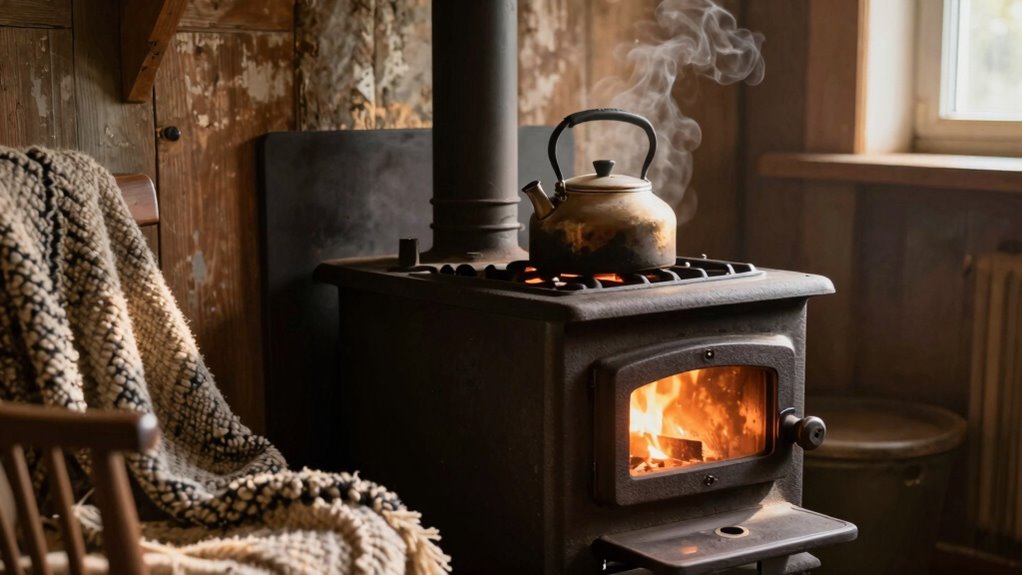

To keep your stove in the right role during an outage, integrate it as a backup heat source with a clear plan. Make certain it’s properly maintained, and position it to cover key areas without causing safety issues. Use fans or circulators to distribute heat evenly and avoid hot or cold spots. Regular checks and proper sizing help maximize efficiency. Keep your backup system ready and understand how your stove fits into your overall strategy—more tips follow.

Get backup power and energy gear delivered free with Prime
- Fast, free delivery on millions of items
- Prime Video, Amazon Music and more included
- Member-only deals all year
Key Takeaways
- Integrate stoves as supplemental backup heating sources to target specific zones or rooms needing extra warmth.
- Ensure proper maintenance and regular testing of stoves to guarantee reliable operation during outages.
- Use stoves strategically for short-term heating, avoiding overreliance to conserve fuel and prevent uneven heat distribution.
- Combine stoves with other backup systems like portable heaters or generators for comprehensive coverage.
- Plan stove placement to optimize heat flow and prevent cold spots, ensuring effective backup performance.

When relying on a primary heating system, having a backup heat strategy isn’t just smart—it’s crucial. Unexpected failures or power outages can leave your home vulnerable to the cold, and without a plan in place, you could face uncomfortable, even dangerous, conditions. A well-designed backup heat system ensures your home stays warm without wasting energy or causing uneven heat distribution. It’s about balancing safety, efficiency, and comfort, so you stay cozy no matter what happens to your primary system.
Having a backup heat plan is essential for safety, efficiency, and comfort during outages or system failures.
Fuel efficiency plays a critical role in your backup heat strategy. You don’t want to burn through your fuel supply unnecessarily if your primary system is temporarily out of commission. Instead, choose backup options that are designed for short-term use or emergency situations. For example, a portable kerosene heater or a small, efficient generator can provide targeted warmth during outages without consuming excessive fuel. Properly sizing your backup system is key—you want enough heat to keep your home comfortable, but not so much that you waste resources. This approach preserves your fuel supply and reduces costs, especially during prolonged outages.
Heat distribution is another crucial aspect of a reliable backup plan. When your primary heating system falters, uneven heat distribution can become a problem, leading to cold spots or areas that overheat. To prevent this, opt for backup solutions that can be easily integrated into your existing ductwork or heating zones. Portable heaters should be strategically placed to maximize coverage without creating hot or cold pockets. Additionally, using fans or circulators can help improve heat distribution, ensuring warmth spreads evenly throughout your home. Think about your home’s layout and identify the areas most vulnerable to temperature drops, then tailor your backup system to target those zones. Maintaining proper system maintenance ensures your backup remains effective when needed, reducing the risk of failure during an emergency. Moreover, understanding regional climate considerations and the specific heating needs associated with your climate can help you select the most suitable backup options. Regularly reviewing and updating your backup plan based on changing conditions can enhance overall reliability.
Having a backup heat strategy isn’t just about having a spare appliance on hand; it’s about smart planning. Regular maintenance of your primary system ensures it’s ready to handle the cold, while a well-chosen backup minimizes fuel waste and maintains consistent heat distribution. During colder months, check your backup equipment periodically to ensure it’s operational and ready to deploy at a moment’s notice. Incorporating exfoliation benefits from skincare, such as glycolic acid, can serve as a metaphor for how a well-maintained backup system keeps your home’s warmth fresh and renewed even during unexpected outages. By doing so, you avoid last-minute surprises and keep your home warm and safe. A thoughtful backup heat plan keeps your stove in its proper role—serving as a reliable supplement rather than the sole source of warmth—so you get the most efficiency, comfort, and peace of mind.
As an affiliate, we earn on qualifying purchases.
Frequently Asked Questions
How Do I Choose the Best Backup Heat Source?
To choose the best backup heat source, consider fuel efficiency and system compatibility. Look for options that use less fuel while providing reliable warmth during outages. Make sure the backup system integrates seamlessly with your existing stove or heating setup, avoiding complicated installations. Prioritize safety features and ease of use. Comparing different fuels and technologies helps you find a backup that’s efficient, compatible, and dependable, ensuring your home stays warm when you need it most.
What Safety Precautions Are Needed for Backup Heating Systems?
Think of backup heating safety precautions like a safety net beneath a tightrope walker. You should keep emergency preparedness at the forefront, ensuring you have clear escape routes and working smoke and carbon monoxide detectors. Store fuel safely in ventilated, approved containers, away from heat sources, and regularly inspect for leaks or damage. Proper maintenance and cautious storage protect you and your loved ones during power outages or emergencies.
How Often Should Backup Systems Be Maintained?
You should maintain your backup systems at least once a year, checking fuel storage to make sure no leaks or contamination. Regular system monitoring is essential—inspect for proper operation and maintain safety features. If your backup system uses fuel, keep tanks full and secure. Routine maintenance helps identify issues early, ensuring reliable performance when needed most. Consistent upkeep guarantees your backup heating remains ready, safe, and efficient during emergencies.
Can Backup Heat Systems Be Integrated With Renewable Energy?
Backup heat systems are like a safety net, easily integrated with renewable energy sources. You can combine solar integration and energy storage to guarantee reliable warmth during outages or low renewable output. Using batteries or thermal storage, you make backup systems more sustainable, reducing reliance on fossil fuels. This approach enhances efficiency and resilience, allowing your backup heat to work seamlessly alongside renewable energy, keeping your home warm and eco-friendly.
What Is the Typical Cost of Installing a Backup Heat System?
You’ll typically spend between $1,500 and $4,500 on installing a backup heat system, depending on the type and complexity. While installation costs vary, you should consider fuel efficiency, as efficient systems reduce ongoing expenses. For example, electric or propane backups might be more cost-effective upfront, but evaluating your home’s needs guarantees you choose a system that balances installation costs with long-term savings and reliable backup heat.
As an affiliate, we earn on qualifying purchases.
Conclusion
So, don’t worry about relying on backup heat—it’s there to give you peace of mind, not replace your stove entirely. With a solid backup plan, you’ll stay warm and cozy even during power outages or equipment hiccups. Think of it as a safety net, not a crutch. Embrace the strategy, and you’ll enjoy comfort and confidence, no matter what. After all, being prepared means more warmth and less stress when it counts most.
As an affiliate, we earn on qualifying purchases.
As an affiliate, we earn on qualifying purchases.
Columbus Day / Indigenous Peoples' Day Picks
long weekend sales
As an affiliate, we earn on qualifying purchases.