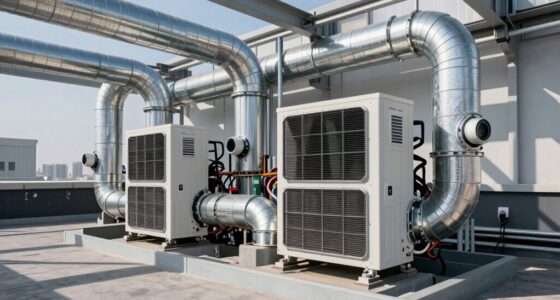
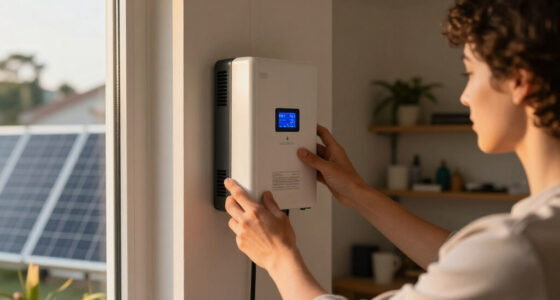
We have discovered the secret to maximizing comfort in your home while minimizing energy usage. Energy-efficient heat pump HVAC systems are changing the game when it comes to heating and cooling our homes. With an average efficiency rating between 14-18 SEER and 8-12 HSPF, these cutting-edge systems offer top-notch performance and substantial savings.

Get backup power and energy gear delivered free — and shop member deals
- Fast, free delivery on millions of items
- Access to Prime Big Deal Days deals on October 6–7
- Prime Video, Amazon Music and more included
By harnessing the latest technological advancements, these heat pumps offer a greener alternative to traditional HVAC systems. Join us as we explore the best options on the market, helping you make an informed and innovative choice for your home.
Key Takeaways
- Efficiency ratings (SEER and HSPF) determine performance and energy-saving features.
- Smart control technology allows remote monitoring and adjustment.
- Heat pump HVAC systems contribute to sustainability and reduce carbon footprints.
- Leading brands offer exceptional performance, energy savings, and long-term investment opportunities.
Efficiency Ratings: Understanding the Key Metrics
We need to understand the key metrics of efficiency ratings in order to make informed decisions about the best energy-efficient heat pump HVAC systems. Efficiency ratings play a crucial role in determining the overall performance and energy-saving features of these systems.
By analyzing the energy consumption data, we can assess how efficiently the heat pump HVAC system converts energy into useful heating or cooling output. Key metrics such as Seasonal Energy Efficiency Ratio (SEER) and Heating Seasonal Performance Factor (HSPF) provide valuable insights into the system’s efficiency and performance.

SEER measures the cooling efficiency, while HSPF evaluates the heating efficiency. Understanding these metrics allows us to compare different systems and choose the one that offers the highest energy savings and meets our specific needs.
Technological Advancements: Exploring the Latest Innovations
With advancements in technology and the increasing demand for energy-efficient solutions, it’s important to explore the latest innovations in heat pump HVAC systems. One of the key areas of innovation is smart control technology. Smart control systems allow users to remotely monitor and adjust their HVAC systems, leading to significant energy savings. These systems use advanced algorithms to optimize heating and cooling based on factors such as occupancy patterns, weather conditions, and energy prices. By intelligently managing the operation of the heat pump, smart control systems can reduce energy consumption and lower utility bills.
In addition to smart control, there have been advancements in heat pump design and components. For example, manufacturers are incorporating variable speed compressors and fans, which allow the system to adjust its output based on the specific heating or cooling needs of the space. This not only improves comfort levels but also reduces energy consumption. Furthermore, there are innovations in heat exchanger technology, such as multi-stage and multi-zone systems, which enable more precise temperature control and improved energy efficiency.
Cost-Effectiveness: Balancing Performance and Affordability
To achieve cost-effectiveness, we must carefully balance the performance and affordability of heat pump HVAC systems.

When considering the installation process, it’s crucial to choose a system that’s easy to install, reducing labor costs and minimizing disruption to your home or business.
Additionally, selecting a heat pump HVAC system that offers high energy efficiency can lead to long term savings on your utility bills. By opting for a system that operates with minimal energy consumption, you can significantly reduce your monthly expenses while still enjoying optimal heating and cooling performance.
Furthermore, it’s important to consider the initial cost of the system and weigh it against the potential long term savings it can provide. By finding the right balance between performance and affordability, you can ensure that your heat pump HVAC system is both cost-effective and efficient.
Environmental Impact: Evaluating the Eco-Friendliness
The environmental impact of heat pump HVAC systems can be evaluated by considering their eco-friendliness. These systems offer sustainability benefits and contribute to the reduction of carbon footprints. By using renewable energy sources, such as the heat from the ground, air, or water, heat pump HVAC systems minimize the reliance on fossil fuels and reduce greenhouse gas emissions. To better understand the eco-friendliness of these systems, let’s take a look at the table below:

| Aspects | Eco-Friendliness |
|---|---|
| Energy Source | Renewable |
| Emissions | Low |
| Efficiency | High |
| Lifespan | Long |
As you can see, heat pump HVAC systems excel in terms of sustainability benefits and carbon footprint reduction. They use renewable energy sources, emit low levels of greenhouse gases, operate efficiently, and have a long lifespan. These factors make them an innovative and environmentally friendly choice for heating and cooling needs.
Top Choices in the Market: Comparing the Leading Brands
As we compare the leading brands, we can identify the top choices in the market for energy-efficient heat pump HVAC systems. These brands offer exceptional performance, energy savings, and long-term investment opportunities. Here are the top choices:
Brand A: Known for its advanced technology and high energy efficiency, Brand A’s heat pump HVAC systems provide substantial energy savings. With innovative features and intelligent controls, they optimize energy usage and minimize waste.
Brand B: Renowned for its durability and reliability, Brand B’s heat pump HVAC systems are designed to last for years, making them a wise long-term investment. They offer excellent energy efficiency and ensure optimal comfort while reducing energy consumption.

Brand C: With a focus on innovation and sustainability, Brand C’s heat pump HVAC systems combine cutting-edge technology with eco-friendly features. They not only provide significant energy savings but also contribute to a greener environment.
When it comes to energy-efficient heat pump HVAC systems, these top brands offer superior performance and long-term value, making them the ideal choice for those seeking innovation and energy savings.
Frequently Asked Questions
How Often Should I Have My Energy-Efficient Heat Pump HVAC System Serviced?
We recommend having your energy-efficient heat pump HVAC system serviced annually to ensure optimal performance and efficiency. Regular maintenance not only extends the lifespan of the system but also helps identify and address potential issues before they become major problems.
Are There Any Government Incentives or Tax Credits Available for Installing an Energy-Efficient Heat Pump HVAC System?
There are government incentives and tax credits available for installing energy-efficient heat pump HVAC systems. These incentives and credits can help offset the initial cost and encourage the adoption of more sustainable heating and cooling solutions.

Can I Use an Energy-Efficient Heat Pump HVAC System for Both Heating and Cooling My Home?
Yes, an energy-efficient heat pump HVAC system can be used for both heating and cooling. Compared to traditional HVAC systems, it offers numerous benefits, such as lower energy consumption, reduced carbon footprint, and improved indoor comfort.
Are There Any Specific Maintenance Tasks I Need to Perform to Ensure the Optimal Performance of My Energy-Efficient Heat Pump HVAC System?
To ensure optimal performance of our energy-efficient heat pump HVAC system, we follow a rigorous maintenance routine. This includes regular filter cleaning, checking refrigerant levels, and inspecting the coils. Our troubleshooting guide helps us address any issues promptly.
What Are Some Common Signs That Indicate My Energy-Efficient Heat Pump HVAC System May Need Repairs or Replacement?
Some common signs that indicate our energy-efficient heat pump HVAC system may need repairs or replacement include decreased efficiency, strange noises, and inconsistent temperature control. It’s essential to address these issues promptly to maintain optimal performance.
What Factors Should I Consider When Choosing an Energy-Efficient Heat Pump?
When choosing the best energy-efficient heat pump, several factors should be considered. First, evaluate the heat pump’s energy efficiency rating, represented by its SEER and HSPF. Additionally, check if the pump is appropriately sized for your space to ensure optimal performance. Consider the unit’s noise levels, maintenance requirements, and warranty to make an informed decision.
Conclusion
To sum it up, when it comes to energy-efficient heat pump HVAC systems, it’s crucial to consider efficiency ratings, technological advancements, cost-effectiveness, and environmental impact.

By evaluating these factors, we can make informed decisions and choose the best option for our needs.
Remember, finding the right system is like finding a diamond in the rough – it may take some searching, but the rewards are worth it in the end.
Fall Picks
fall essentials
As an affiliate, we earn on qualifying purchases.