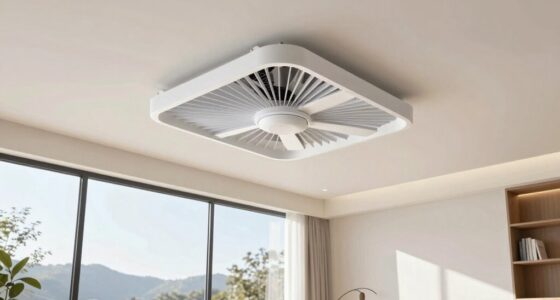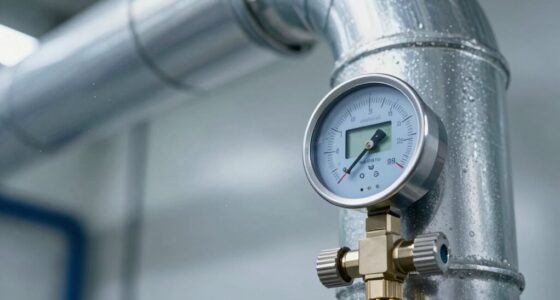
Integrating a heat pump water heater with your HVAC system lets you tap into existing heat sources to make your water heating more energy-efficient. You’ll lower utility bills and reduce your home’s carbon footprint while simplifying your setup by combining systems. Although installation can be more complex upfront, the long-term savings and eco-friendly benefits make it worthwhile. Stay with us to discover how to optimize this integration for your home.

Get backup power and energy gear delivered free with Prime
- Fast, free delivery on millions of items
- Prime Video, Amazon Music and more included
- Member-only deals all year
Key Takeaways
- Heat pump water heaters can be integrated with HVAC systems to utilize existing heat sources for increased efficiency.
- Integration reduces installation costs and saves space by combining water heating with HVAC components.
- Proper placement and airflow are essential to maximize heat transfer and system performance.
- Smart controls optimize operation based on household hot water demand, enhancing energy savings.
- Long-term benefits include lower energy bills, reduced environmental impact, and streamlined home energy management.
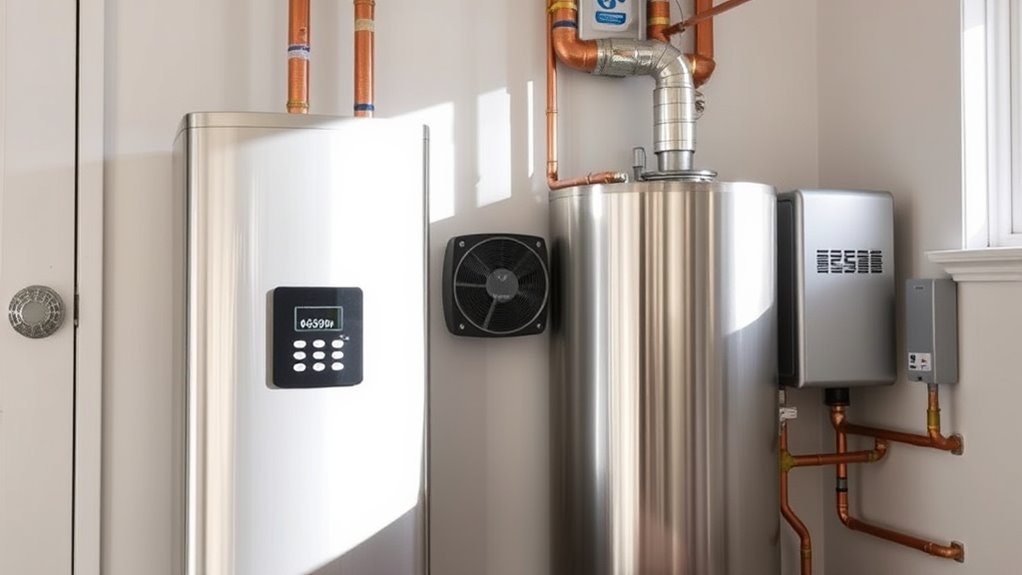
Are you looking for an energy-efficient way to heat your water? If so, heat pump water heaters integrated into your HVAC system could be a smart choice. These units are designed to harness ambient heat from the air, making them considerably more energy-efficient than traditional electric or gas water heaters. They work by extracting heat from the surrounding environment and transferring it to your water supply, which reduces overall energy consumption. This efficiency translates into lower utility bills and a smaller carbon footprint, appealing to those who want to save money while being environmentally conscious.
One major advantage of integrating a heat pump water heater into your HVAC system is the potential for enhanced energy efficiency. Since these systems leverage existing heat sources, they consume less electricity compared to conventional models. This means you’ll see noticeable savings over time, especially if your household uses hot water frequently. Plus, modern heat pump water heaters are often equipped with smart controls that optimize performance based on your usage patterns, further increasing their efficiency. When considering these benefits, it’s natural to think about the initial costs involved. While installation costs for heat pump water heaters can be higher upfront due to the complexity of integration and the need for proper placement, many homeowners find that the long-term savings outweigh the initial investment. Installing a heat pump in your HVAC system might require some adjustments, such as ensuring adequate air circulation around the unit and proper placement to maximize heat extraction. These modifications can add to the initial costs but are essential to achieving ideal performance and energy efficiency.
Furthermore, the installation process can be more straightforward when integrating with an existing HVAC system, especially if you already have space and ductwork suitable for such equipment. This integration can eliminate the need for a separate water heating system, reducing overall installation costs and saving space. It’s essential, however, to work with a qualified HVAC technician who can assess your current setup and recommend the best configuration. Proper installation not only guarantees efficient operation but also prolongs the lifespan of your equipment, making it a worthwhile investment. Additionally, selecting the right portable power solutions can help ensure your system remains operational during power outages, enhancing overall reliability. Over time, the combination of energy savings and reduced maintenance costs makes heat pump water heaters a compelling option for homeowners seeking sustainable and cost-effective solutions. So, while the initial costs might seem higher, the benefits of lower energy bills, environmental impact, and integration simplicity can make this choice a smart, long-term decision for your home.
heat pump water heater for HVAC system
As an affiliate, we earn on qualifying purchases.
As an affiliate, we earn on qualifying purchases.
Frequently Asked Questions
How Do Heat Pump Water Heaters Impact Overall HVAC Efficiency?
Heat pump water heaters boost your HVAC system’s efficiency by utilizing waste heat, reducing energy consumption. When integrated properly, they create significant savings potential and streamline system operation. You’ll notice lower utility bills and improved comfort because they work seamlessly with your existing setup. By choosing integrated solutions, you guarantee ideal performance and energy savings, making your home more eco-friendly and cost-effective in the long run.
Can Heat Pump Water Heaters Operate Effectively in Cold Climates?
In a nutshell, heat pump water heaters can still operate effectively in cold climates, but efficiency concerns do arise. You might find that their performance dips when temperatures drop considerably, requiring supplemental heating. To keep things running smoothly, consider models designed for cold climates or add insulation. While they’re not as efficient as in milder weather, these systems can still provide reliable hot water without throwing a wrench in your energy savings.
What Are the Maintenance Requirements for Integrated HVAC and Water Heating Systems?
You need to perform routine inspections and filter replacements regularly to keep your integrated HVAC and water heating system running smoothly. Check the system’s components for dust, debris, and wear, and substitute filters as recommended by the manufacturer. This helps ensure efficiency, prevents breakdowns, and extends the lifespan of your system. Staying on top of maintenance tasks will keep your home comfortable and your energy bills lower.
How Do Heat Pump Water Heaters Compare Cost-Wise to Traditional Systems?
Think of heat pump water heaters as the wise owl of your home; they might cost more upfront but save you money in the long run. The initial investment is higher compared to traditional systems, but their energy efficiency reduces operating costs markedly. When you compare the costs, you’ll find they pay for themselves over time through lower utility bills, making them a smarter financial choice in the long haul.
Are There Specific Building Types Best Suited for Integrated Heat Pump Systems?
You’ll find integrated heat pump systems work best in commercial buildings and multi-family residences. These settings benefit from their energy efficiency and ability to handle higher hot water demands. If your building has ample space and good insulation, you’ll see significant savings and comfort. Keep in mind, these systems are ideal where consistent hot water supply and reduced energy costs are priorities, making them a smart choice for larger, well-insulated structures.
energy-efficient heat pump water heater
As an affiliate, we earn on qualifying purchases.
As an affiliate, we earn on qualifying purchases.
Conclusion
By integrating heat pump water heaters into your HVAC system, you’re fundamentally giving your home a heart that beats with efficiency and sustainability. Like a symphony conductor weaving harmony between comfort and conservation, you harness advanced technology to dance gracefully with energy savings. Embrace this innovation, and watch your home breathe easier, glowing with the promise of a greener future. In this symphony of systems, your choices compose a masterpiece of comfort and eco-consciousness.
As an affiliate, we earn on qualifying purchases.
As an affiliate, we earn on qualifying purchases.
Halloween Picks
halloween
As an affiliate, we earn on qualifying purchases.