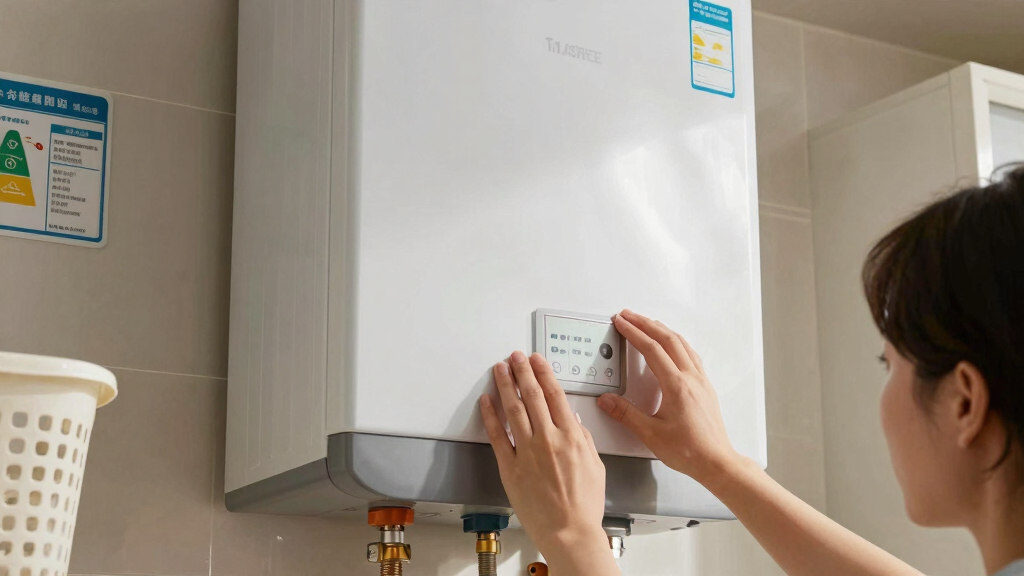

Energy-efficient heat pump water heaters stand out for their ability to significantly reduce energy bills while providing reliable hot water. The Rinnai REHP80 makes a strong case as the best overall choice thanks to its large capacity and high efficiency, but it comes with a higher price tag. The Senville 50 Gallon Hybrid Heat Pump offers excellent value for mid-sized households, while the MRCOOL 40-Gallon Electric Water Heater appeals to those seeking a budget-friendly option. Buyers often face tradeoffs between size, upfront cost, and long-term savings. Keep reading for a detailed breakdown of these options to find the best fit for your home and budget.

Get backup power and energy gear delivered free with Prime
- Fast, free delivery on millions of items
- Prime Video, Amazon Music and more included
- Member-only deals all year
Key Takeaways
- The top models vary mainly by capacity, with larger units offering more hot water but at higher costs and energy use.
- Hybrid heat pumps tend to deliver the best balance of efficiency and performance for most homes.
- Energy Star certification is a key indicator of a water heater’s efficiency and long-term savings potential.
- Installation complexity and space requirements are often overlooked but crucial factors in choosing the right model.
- Price differences can be substantial, but investing in a higher-efficiency model often pays off in energy savings over time.


More Details on Our Top Picks
Rinnai RXP199iN Smart Sense Condensing Tankless Water Heater – 199,000 BTU, Up to 11.1 GPM
This model stands out for its exceptional UEF rating of 0.98, making it one of the most efficient tankless options on the market, especially compared to larger tank models like the Senville 50 Gallon Hybrid Heat Pump. Its compact design and ability to install indoors or outdoors add to its versatility, while the built-in Smart-Circ recirculation pump reduces water waste and waiting time. However, its higher upfront cost and need for professional installation might deter budget-conscious buyers. Additionally, smart home features require a separate Controlr module, adding to the initial investment. For homeowners seeking maximum efficiency combined with smart control capabilities, this pick makes the most sense.
Pros:- Ultra-high efficiency (UEF 0.98) reduces energy costs
- Indoor/outdoor installation flexibility and gas/propane adaptability
- Built-in Smart-Circ pump minimizes water waste and wait time
Cons:- Requires professional installation for warranty and safety
- Separate Controlr module needed for smart home features (additional cost)
Best for: Homeowners with existing smart home setups seeking a high-efficiency, space-saving water heater
Not ideal for: Budget-conscious buyers who prefer plug-and-play solutions without extra components or professional install requirements
- BTU Output:199,000 BTU
- GPM Capacity:Up to 11.1 GPM
- Energy Efficiency (UEF):0.98
- Fuel Type:Natural Gas or Propane
- Installation:Indoor/Outdoor
- Recirculation Pump:Built-in Smart-Circ Technology
Bottom line: This tankless model is ideal for tech-savvy homeowners prioritizing efficiency and space savings despite higher initial costs.
MRCOOL 40-Gallon Electric Water Heater with Dual 4500W Elements, Self-Cleaning & Rare-Earth Anode (240V)
Compared with tankless models like the Rinnai RXP199iN, the MRCOOL offers a straightforward 40-gallon tank solution that still emphasizes efficiency with dual 4500W elements providing quick recovery and reliable hot water. Its self-cleaning technology and rare-earth anode extend tank life and help maintain water quality, making it suitable for typical households. While it lacks smart home integration, its lower upfront cost and simple installation appeal to many. Buyers not needing advanced connectivity or the highest efficiency ratings will find this model a balanced choice. The main tradeoff is its smaller capacity compared to larger tanks like the Senville 50 Gallon.
Pros:- Dual elements provide fast hot water recovery
- Energy-efficient design lowers electricity costs
- Self-cleaning technology reduces sediment buildup
- Longer tank life with rare-earth anode
Cons:- Requires 240V electrical setup, possibly needing professional wiring
- No smart home compatibility
Best for: Families seeking dependable electric hot water with good efficiency at a lower price point
Not ideal for: Homes needing very high recovery rates or smart home features, where models like Rinnai with smart controls are better
- Capacity:40 Gallons
- Wattage:4500 watts
- Voltage Requirement:240V
- Special Features:Self-Cleaning, Rare-Earth Anode
- Maximum Temperature:150°F
- Material Type:Rheemglas, Plastic
Bottom line: This model offers a reliable, efficient electric solution ideal for mid-sized households on a budget.
Rheem 72-40-2 240V / 4500W 40 Gallon Electric Water Heater
The Rheem 40 Gallon Electric Water Heater is a basic, no-frills option that provides consistent hot water, suitable for small households or as a backup. Its Rheemglas-lined tank and automatic thermostat ensure durability and ease of temperature control. Compared with more advanced units like the MRCOOL, it offers less efficiency but benefits from widespread compatibility and straightforward operation. Its lack of detailed efficiency ratings or smart features means it’s more suited to budget-minded buyers who prioritize reliability over savings. The main tradeoff is its potentially higher energy use over models with higher UEF ratings.
Pros:- Dependable operation with simple controls
- Widely compatible with existing systems
- Affordable price point
Cons:- Lacks detailed efficiency ratings
- Higher energy consumption compared to high-UEF models
Best for: Budget-conscious consumers needing reliable, straightforward electric water heating
Not ideal for: Homes seeking high efficiency or smart features, where models like Senville or Rinnai would be better choices
- Capacity:40 Gallons
- Wattage:4500 watts
- Voltage:240V
- Material Type:Rheemglas, Plastic
- Warranty:Standard
- Maximum Temperature:Not specified
Bottom line: This Rheem model suits buyers prioritizing affordability and proven reliability over advanced efficiency features.
Senville 50 Gallon Hybrid Heat Pump Electric Water Heater
This hybrid heat pump water heater excels in energy savings, boasting a UEF rating of 3.75 and a first hour rating of 69 gallons, making it ideal for larger households needing substantial hot water supply. Its advanced technology extracts heat from the air, drastically reducing electricity use—up to 70% compared to conventional electric models—outperforming traditional electric tanks like the Rheem 72-40-2. Its ENERGY STAR certification underscores its efficiency, and its long warranty provides peace of mind. The main drawback involves its higher initial investment and larger physical footprint, which could be a challenge for space-constrained homes. This makes it a perfect fit for those prioritizing long-term savings over upfront costs.
Pros:- Reduces electricity use by up to 70%
- High efficiency with a 3.75 UEF rating
- Large first hour rating of 69 gallons
- Certified by ENERGY STAR, UL, and AHRI
Cons:- Higher upfront purchase price
- Requires adequate space for installation
Best for: Medium to large households aiming to cut energy bills with a reliable, high-efficiency water heater
Not ideal for: Small homes or apartments with limited space, due to its larger tank size and upfront cost
- Capacity:50 Gallons
- Power Rating:4.5kW
- UEF Rating:3.75
- First Hour Rating (FHR):69 Gallons
- Certifications:ENERGY STAR, UL, AHRI
- Warranty:7-year parts, 10-year compressor
Bottom line: This hybrid heat pump is a top choice for energy-conscious households needing large hot water capacity and long-term savings.
American Standard AS EZHEAT-100 Elite WP EZ HTR
This electric heater offers simplicity and immediate availability, making it suitable for small-scale or backup applications. Its lack of detailed technical specifications and limited features means it’s less suitable for buyers seeking energy efficiency or smart controls. Compared with the more advanced models like the MRCOOL or Senville, this unit is more of a basic, straightforward solution that fulfills essential heating needs. Its main advantage is being brand new, shipped in original packaging, with all necessary accessories included, but the absence of efficiency ratings or additional features limits its appeal for energy-conscious consumers. It’s best for those needing a quick, reliable electric heater without frills.
Pros:- Brand new in original packaging
- Includes all necessary accessories
Cons:- Lacks detailed specifications or efficiency data
- Limited information about performance and durability
Best for: Buyers seeking a new, basic electric heater with all accessories included for short-term or backup use
Not ideal for: Energy-efficient households or those requiring smart features or detailed technical specs
- Product Type:Electric Heater
Bottom line: This simple electric heater is best suited for buyers needing a straightforward, new unit without advanced features.
ACiQ 50 Gallon Hybrid Electric Water Heater with Heat Pump and Quiet Operation
This model stands out for its high energy efficiency with a 3.75 UEF rating and quiet operation at just 49.5 dB(A), making it suitable for indoor spaces where noise is a concern. Unlike larger units like the Rinnai REHP80, its 50-gallon capacity strikes a balance between size and performance for medium-sized households. It includes smart controls and leak detection, adding safety and convenience, but requires indoor installation above 37°F and specific voltage requirements, which could limit placement options. Compared to the Rinnai REHP50, it offers a quieter operation but is slightly less efficient. It’s a solid choice for homes wanting a reliable, energy-saving solution without excessive noise or space demands.
Pros:- High energy efficiency with a 3.75 UEF rating
- Operates quietly at 49.5 dB(A), ideal for living spaces
- Includes smart controls and leak detection for safety
- 12-year warranty offers peace of mind
Cons:- Requires installation in spaces with air circulation over 700 cubic feet
- Limited to 240V power supply, requiring professional wiring
Best for: Households of 3–5 people seeking a quiet, efficient, and smartly equipped water heater
Not ideal for: Homes in colder climates or with limited indoor space where noise or air circulation is restricted
- Capacity:50 Gallons
- UEF Efficiency Rating:3.75
- First Hour Rating:69 Gallons
- Power Requirements:240V, 5500W
- Noise Level:49.5 dB(A)
- Warranty:12-year tank and parts
Bottom line: This model suits families wanting a quiet, efficient hybrid water heater with smart features for indoor use.
Rinnai REHP65 Electric Heat Pump Water Heater, 65 Gallon, Energy Star Certified
Compared with the smaller Rinnai REHP50, this 65-gallon model offers a higher first-hour delivery of 80 gallons, making it better suited for bigger families. Its high UEF of 3.90 demonstrates excellent energy efficiency, which can significantly lower utility bills over time. The demand-response technology enhances savings during peak hours, but the larger size and electrical requirements (240V/30A) mean it demands more dedicated space and professional installation. While it lacks the ultra-quiet operation of the ACiQ, its robust capacity and efficiency make it ideal for households with high hot water needs. However, its larger footprint and higher upfront cost could be barriers for smaller homes or budget-conscious buyers.
Pros:- High efficiency with a UEF of 3.90
- Generous first-hour delivery of 80 gallons
- Demand-response technology reduces energy costs during peak hours
- Durable glass-lined steel tank with 10-year warranty
Cons:- Requires professional installation of 240V/30A wiring
- Larger physical footprint may limit placement options
Best for: Large families or multi-generational households needing high hot water output with energy efficiency
Not ideal for: Small apartments or homes with limited electrical capacity, due to its size and power needs
- Capacity:65 Gallons
- UEF Rating:3.90
- First Hour Delivery:80 Gallons
- Voltage/Amperage:240V / 30A
- Warranty:10 Years
- Refrigerant Type:R134a
Bottom line: This water heater offers excellent capacity and efficiency, making it ideal for large households with demanding hot water needs.
Rinnai REHP50 Electric Heat Pump Water Heater – 50 Gallon, Energy Star Certified
This 50-gallon unit offers a slightly lower first-hour delivery of 73 gallons compared to the REHP65 but shares the same high UEF of 3.75, making it a solid choice for medium-sized households aiming to reduce energy costs. Its demand-response feature is a significant benefit for those looking to lower utility bills during peak times, yet it requires a standard 240V/30A electrical setup, which may need professional wiring. Its smaller size compared to larger models provides flexibility for tighter spaces, but it still demands adequate air circulation. While it lacks the ultra-quiet operation of the ACiQ, it balances capacity, efficiency, and ease of installation for most residential settings.
Pros:- Energy Star certified with a UEF of 3.75
- Delivers 73 gallons in the first hour
- Demand-response technology for cost savings
- Compact size suitable for smaller spaces
Cons:- Requires 240V/30A wiring, needing professional setup
- Less capacity than larger units, not ideal for high demand
Best for: Families with moderate hot water needs seeking efficiency without occupying too much space
Not ideal for: Homes with high demand for hot water or limited electrical capacity
- Tank Capacity:50 Gallons
- UEF Rating:3.75
- First Hour Delivery:73 Gallons
- Power Requirements:240V / 30A
- Warranty:10 Years
- Refrigerant Type:R134a
Bottom line: This model offers a well-balanced mix of efficiency and size for households with moderate hot water needs.
Rinnai REHP80 Electric Heat Pump Water Heater ‚ 80 Gallon, 240V, 30A, Energy Star Certified, 4.00 UEF, 91 Gallon First Hour Delivery for Residential Use
Compared to the smaller REHP50 and REHP65, this 80-gallon model pushes both capacity and efficiency further, with a UEF of 4.00 and the ability to deliver up to 91 gallons in the first hour. It’s tailored for large households or those with very high hot water demand, offering significant energy savings during peak hours thanks to its demand-response capabilities. The high efficiency comes with a higher initial cost and larger physical size, requiring ample space for installation. Its zero-clearance design on top, back, and sides simplifies placement, but the power requirements of 240V/30A make professional wiring necessary. Still, it provides reliable, high-capacity hot water while minimizing energy consumption for demanding homes.
Pros:- High UEF of 4.00 for maximum efficiency
- Exceptional first-hour delivery of 91 gallons
- Demand-response technology lowers energy bills during peak times
- Zero clearance design simplifies installation
Cons:- Requires dedicated 240V/30A wiring, often needing professional installation
- Larger size and higher cost may be prohibitive for some buyers
Best for: Very large households, multi-family homes, or high-demand settings aiming for maximum efficiency
Not ideal for: Small homes or spaces where electrical upgrades are not feasible
- Capacity:80 Gallons
- UEF Rating:4.00
- First Hour Delivery:91 Gallons
- Voltage/Amperage:240V / 30A
- Warranty:10 Years
- Refrigerant Type:R134a
Bottom line: This high-capacity, ultra-efficient model is ideal for large households seeking maximum hot water output with minimal energy use.
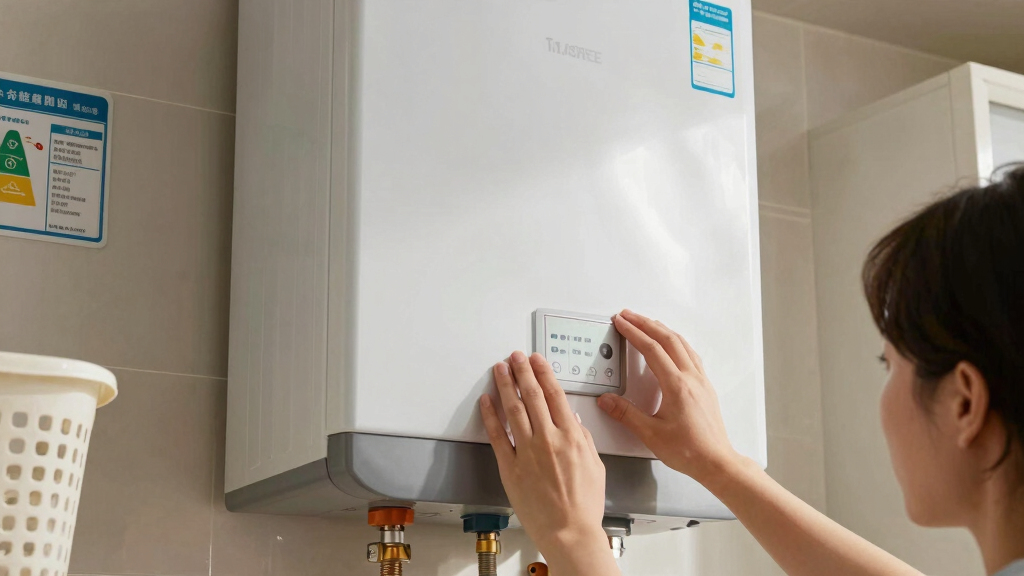
How We Picked
The products in this roundup were selected based on a combination of efficiency ratings, capacity, user reviews, and overall build quality. Priority was given to models with high UEF (Uniform Energy Factor) or Energy Star certification, as these indicate better energy performance. We also considered ease of installation, maintenance requirements, and value for money. Ranking reflects a balance between energy efficiency, capacity, and cost-effectiveness, aiming to help buyers find options suitable for different household sizes and budgets.Factors to Consider When Choosing Energy-efficient Heat Pump Water Heaters
Choosing the right energy-efficient heat pump water heater involves understanding key factors that impact performance, cost, and suitability. Considering these elements can help you avoid common pitfalls and select a model that truly saves energy and meets your household needs.Capacity and Size
Matching the water heater’s capacity to your household’s hot water demand is essential. A unit that’s too small will struggle to meet your needs, leading to cold showers, while an oversized model may waste energy and space. Consider your household size, peak usage times, and whether you want a unit that can handle simultaneous hot water needs. Larger models, like the Rinnai REHP80, are ideal for bigger families but come with higher upfront costs and installation complexity. Smaller units, such as the Rinnai REHP50, suit smaller households or spaces with limited room.
Efficiency Ratings
Focus on models with high UEF or Energy Star certification, as these metrics directly indicate better energy performance. An efficient heat pump water heater can reduce your energy bills significantly over its lifespan. However, keep in mind that the labeled efficiency often depends on climate; units perform better in moderate temperatures. Higher efficiency models may cost more initially but tend to pay for themselves through savings over time, especially if you use hot water frequently.
Installation and Space Requirements
Proper installation is critical for maximizing efficiency and longevity. Heat pump water heaters need adequate space for airflow, typically requiring a well-ventilated area. Some models are more compact, making them suitable for tighter spaces, while others need a dedicated zone. Installing in a poorly ventilated or unconditioned space can reduce efficiency and increase operational noise. Consulting a professional installer can help ensure your chosen unit is set up correctly, preventing unnecessary energy loss and maintenance issues.
Cost and Long-Term Savings
While upfront costs for energy-efficient heat pump water heaters are higher than conventional models, the savings on energy bills can offset this over time. Consider the total cost of ownership, including installation, maintenance, and potential rebates or incentives. Cheaper models may seem appealing initially but often lack the durability or efficiency of premium options. Conversely, investing in a high-efficiency model like the Rinnai REHP80 can be more economical in the long run, especially for larger households or areas with high utility rates.
Additional Features and Considerations
Features like Wi-Fi connectivity, programmable settings, and quiet operation can enhance usability and convenience. Some models come with self-cleaning functions or corrosion-resistant components, reducing maintenance costs. Evaluate your specific needs—if you want remote monitoring or a quieter operation, prioritize those features. Also, check for compatibility with existing plumbing and electrical systems to avoid unexpected expenses. A balanced approach ensures you select a model that offers value without unnecessary extras.
Frequently Asked Questions
How much can I really save on energy bills with a heat pump water heater?
Heat pump water heaters typically use 60% less energy than traditional electric models, leading to substantial savings over time. The actual savings depend on your household’s hot water usage, local energy rates, and the unit’s efficiency rating. While the initial investment is higher, many users find that the reduced operating costs offset this within a few years. It’s important to consider your climate, as heat pumps perform best in moderate temperatures, further enhancing savings.
Are heat pump water heaters suitable for cold climates?
While heat pump water heaters are less efficient in extremely cold conditions, many models are designed with features that allow them to operate effectively in colder climates. Some units include backup elements or can be installed in heated spaces to improve performance. For colder regions, choosing a model with a higher UEF and proper installation in a conditioned space can help maintain efficiency. Still, expect some reduction in performance compared to milder climates.
How long do energy-efficient heat pump water heaters typically last?
Most high-quality heat pump water heaters offer a lifespan of around 10 to 15 years, with proper maintenance. Factors like corrosion resistance, build quality, and usage frequency influence longevity. Regular servicing, such as cleaning filters and checking refrigerant levels, can extend their operational life. Investing in a reputable brand with good reviews often results in a more durable unit, providing ongoing savings and reliable hot water supply.
What are the common installation challenges with heat pump water heaters?
Installing a heat pump water heater requires sufficient space for airflow and ventilation, which can be a challenge in tight or poorly ventilated areas. Electrical requirements may also differ from standard models, sometimes needing dedicated circuits. Incorrect placement can lead to reduced efficiency and increased noise. Consulting a professional installer experienced with heat pump systems can help avoid these issues and ensure your unit performs as intended.
Is a higher-priced heat pump water heater always worth the investment?
Not necessarily, but higher-priced models often feature better efficiency, larger capacities, and longer warranties, which can translate into greater savings and peace of mind. If you have a large household or plan to keep the unit for many years, investing in a premium model like the Rinnai REHP80 may be worthwhile. However, for smaller households or limited budgets, a mid-range unit with strong efficiency ratings can still provide significant savings without the higher upfront cost.
Conclusion
The best overall choice for most households is the Rinnai REHP80 for its capacity and efficiency, making it ideal for larger families or high hot water demand. Budget-conscious buyers seeking solid performance should consider the Senville 50 Gallon Hybrid Heat Pump, which balances cost and savings well. For those new to heat pump technology, the American Standard AS EZHEAT-100 offers straightforward operation with reliable efficiency. Larger households or those needing premium features will find the Rinnai REHP65 or REHP80 to be worthwhile investments, while smaller homes or apartments might prefer more compact options with lower installation requirements.Columbus Day / Indigenous Peoples' Day Picks
long weekend sales
As an affiliate, we earn on qualifying purchases.