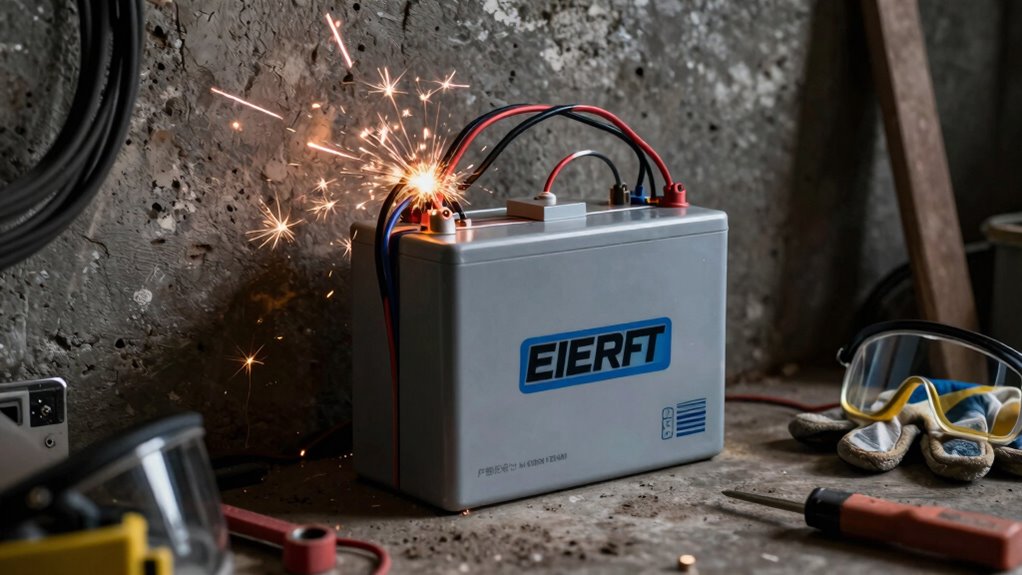

If you’re building your own energy storage system, safety should be your top priority. Handling batteries involves risks like fires, explosions, or damage if you don’t take proper precautions. Overlooking safety measures can cause thermal runaway, leaks, or short circuits. Understanding battery chemistry, monitoring systems, and installation practices help prevent accidents. Staying informed and prepared keeps you safe and guarantees your system runs reliably. Keep exploring to learn how to protect yourself and your setup effectively.

Get backup power and energy gear delivered free — and shop member deals
- Fast, free delivery on millions of items
- Access to Prime Big Deal Days deals on October 6–7
- Prime Video, Amazon Music and more included
Key Takeaways
- DIY energy storage systems often lack professional oversight, increasing risks of fire, thermal runaway, and equipment damage.
- Inadequate safety measures can lead to hazardous failures, emphasizing the need for comprehensive safety protocols.
- Proper management of battery chemistry and monitoring is essential to prevent dangerous overcharging or overheating.
- Installing in unsuitable environments raises fire and gas explosion risks, requiring awareness and proper site preparation.
- Training and safety gear are vital to minimize accidents, but many DIY setups overlook these critical safety practices.
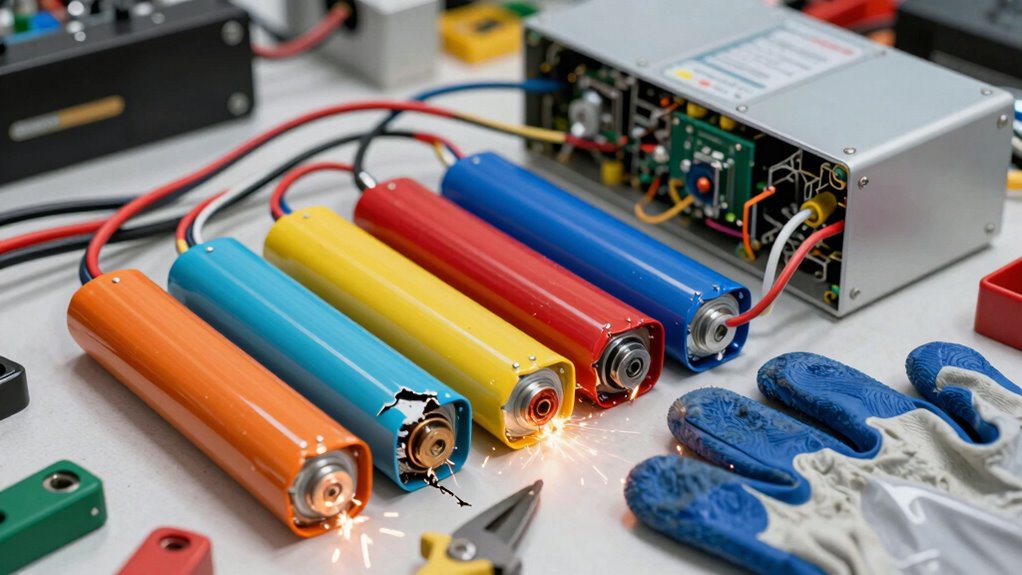
When it comes to DIY energy storage, safety should always be your top priority. Handling batteries, especially in homemade setups, involves risks that can’t be ignored. Without proper precautions, you might inadvertently create fire hazards or damage your equipment. That’s why understanding and implementing effective battery management is crucial. Battery management isn’t just about keeping your batteries charged; it’s about ensuring they operate within safe limits, preventing overcharging, deep discharging, or overheating. Over time, neglecting proper management can lead to dangerous situations, including thermal runaway—a condition where batteries overheat and potentially ignite.
Your approach to battery management should include regular monitoring of voltage, current, and temperature. Using reliable sensors and control systems helps you keep track of these parameters, so you can catch issues early before they escalate. Proper wiring and secure connections are equally vital. Faulty wiring or loose connections can cause sparks or short circuits, increasing fire hazards. Make sure all your components are rated for the current and voltage levels you’re working with, and double-check your wiring before powering up your system. Proper fusing and circuit breakers add an extra layer of safety, shutting down the system if something goes wrong.
It’s also important to consider your environment. DIY energy storage systems should be installed in well-ventilated areas, away from flammable materials, and on non-combustible surfaces. Overheated batteries can release gases or catch fire if they’re not ventilated properly. Additionally, proper ventilation helps dissipate heat and prevents dangerous gas buildup. Regular inspections for signs of swelling, corrosion, or leaks can catch potential problems early. If a battery begins to swell or emit a strange odor, treat it as an emergency—disconnect it immediately and move it to a safe area. Furthermore, understanding the chemistry of your batteries can help prevent mishandling and safety hazards. Knowing the safety profiles of different chemistries is equally important for proper handling and risk mitigation. Being aware of the standard safety practices for your specific battery type can significantly reduce the risk of accidents.
Educating yourself on the specific batteries you’re using is essential. Different chemistries have different safety profiles and handling requirements. Lithium-ion batteries, for example, are popular but require extra caution due to their fire hazards if damaged or improperly managed. Always follow manufacturer guidelines and safety datasheets. Don’t skip safety gear—gloves, goggles, and fire extinguishers suitable for electrical fires should be readily available. Additionally, training on battery handling can further reduce the likelihood of mishaps.
In the end, a bigger safety conversation means recognizing the risks and taking proactive steps to mitigate them. DIY energy storage can be rewarding, but it demands respect for the dangers involved. Proper battery management, vigilant monitoring, and a safety-first mindset are your best tools to keep your setup safe and reliable.
As an affiliate, we earn on qualifying purchases.
Frequently Asked Questions
What Are the Legal Regulations for DIY Energy Storage Systems?
You need to follow specific legal regulations for DIY energy storage systems, including strict adherence to battery certification and safety standards. These regulations guarantee your system is safe, reliable, and compliant with local laws. Check with your local authorities and industry standards to understand the requirements. Ignoring these rules can lead to safety hazards, legal penalties, and system failures, so always prioritize certification and safety standards when building your own energy storage.
How Do I Properly Dispose of Used Batteries From My System?
Think of your used batteries as tiny treasures that need careful handling. To properly dispose of them, you should follow battery recycling procedures and adhere to safety protocols. Take your batteries to certified recycling centers, never toss them in regular trash, and handle them with gloves if they’re damaged. By doing so, you protect the environment and prevent potential hazards, turning your disposal into a responsible act of care.
What Are the Signs of a Failing Energy Storage Unit?
You’ll notice signs of a failing energy storage unit if it starts to overheat or if you see leakage. Battery overheating often results in sudden temperature rises or a burning smell. Leakage detection involves observing any crusty, discolored, or liquid residue around the unit. If you spot these signs, power down the system immediately and consult a professional. Regular inspections help catch issues early and keep your system safe.
Can DIY Energy Storage Systems Be Integrated With Existing Home Wiring?
Think of your home wiring as a symphony, and the DIY energy storage system as a new instrument. You can indeed integrate DIY energy storage with existing home wiring, but it hinges on battery compatibility and proper wiring integration. If your system isn’t compatible or the wiring isn’t correctly integrated, it can cause discord or safety issues. Always double-check compatibility and consider professional help to keep your energy symphony playing in harmony.
What Is the Typical Lifespan of DIY Energy Storage Components?
You should expect DIY energy storage components, like batteries, to last about 5 to 15 years, depending on quality and usage. Proper battery management is vital for extending lifespan and preventing issues. Fire safety measures are necessary, as damaged or poorly managed batteries can pose fire risks. Regular inspections, correct installation, and using reliable components help guarantee your system remains safe and functional over time.
battery monitoring system for energy storage
As an affiliate, we earn on qualifying purchases.
As an affiliate, we earn on qualifying purchases.
Conclusion
You might be surprised to learn that nearly 60% of DIY energy storage accidents involve improper handling or safety measures. That’s a huge risk you can’t afford to ignore. By prioritizing safety, using proper protective gear, and understanding your system’s limits, you protect yourself and your home. Remember, taking time to learn and follow safety guidelines isn’t just smart—it’s essential. Keep safety at the forefront, and you’ll enjoy the benefits of DIY energy storage without unnecessary hazards.
fuse and circuit breaker for batteries
As an affiliate, we earn on qualifying purchases.
As an affiliate, we earn on qualifying purchases.
As an affiliate, we earn on qualifying purchases.
Halloween Picks
halloween
As an affiliate, we earn on qualifying purchases.