
To keep your ventilation system running efficiently, you need to regularly replace or clean your filters and clean the system’s core, like the coil or heat exchanger. Dirty filters block airflow and allow bacteria buildup, while a dirty core hampers heat transfer and increases energy use. Ensuring these components are well-maintained reduces strain on your system and lowers energy bills. If you want to learn more about effective maintenance steps, keep exploring further.

Get backup power and energy gear delivered free with Prime
- Fast, free delivery on millions of items
- Prime Video, Amazon Music and more included
- Member-only deals all year
Key Takeaways
- Regularly inspect and replace filters to prevent dust and pollutant buildup that hinder airflow.
- Clean the system’s core, such as coils or heat exchangers, to maintain optimal heat transfer efficiency.
- Follow manufacturer guidelines for maintenance schedules to ensure consistent system performance.
- Prevent mold and bacteria accumulation by maintaining clean filters and core components.
- Routine maintenance reduces energy consumption by ensuring unobstructed airflow and efficient system operation.
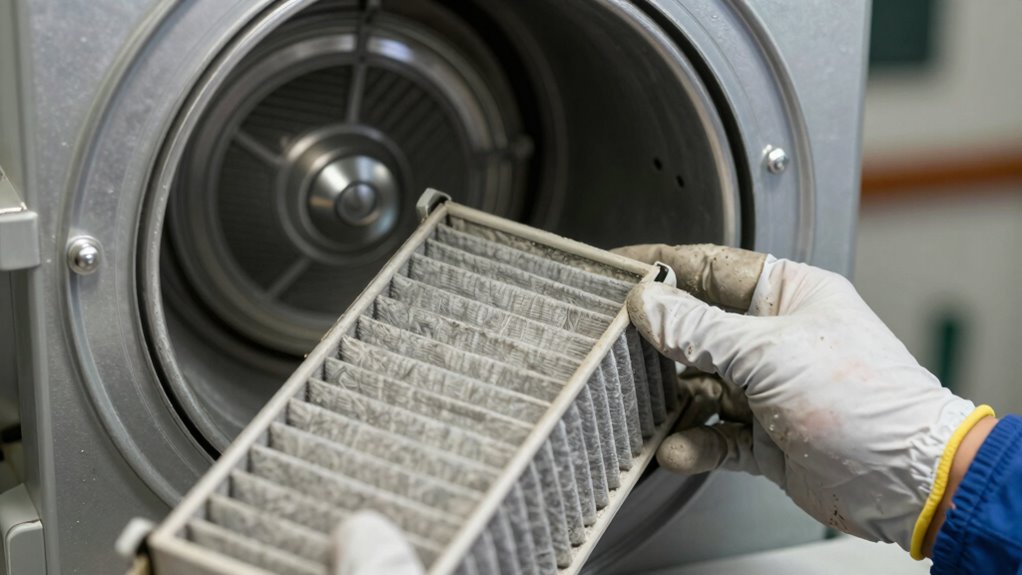
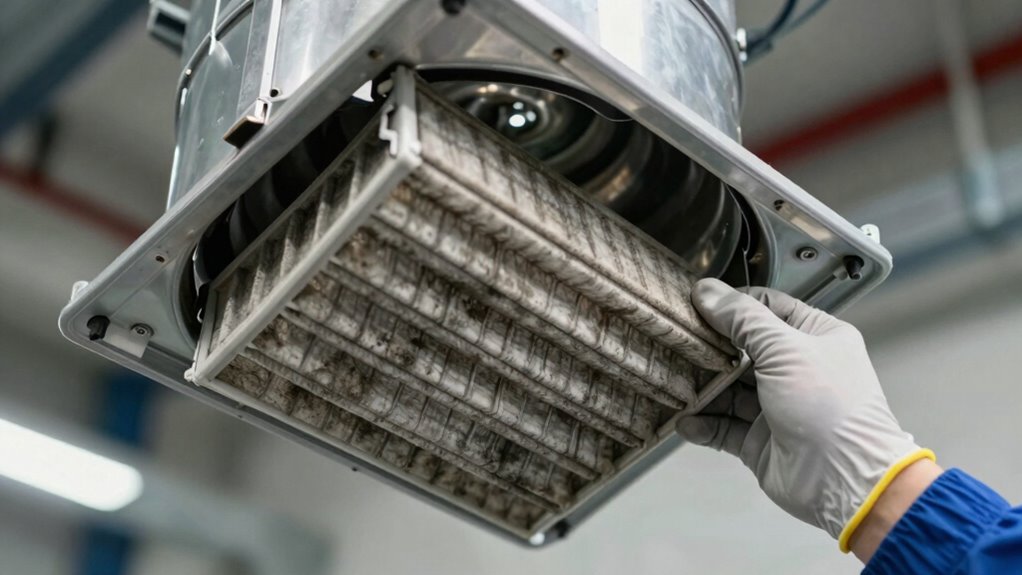
Have you ever wondered how your ventilation system keeps the air clean and fresh? It all comes down to proper filter and core maintenance. When you regularly check and replace your filters, you’re directly impacting the air quality inside your space. Dirty, clogged filters can’t trap dust, allergens, or pollutants effectively, allowing contaminants to circulate freely. This not only compromises the air you breathe but also strains your system. When filters are dirty, your ventilation system has to work harder to pull air through, which increases energy consumption. By maintaining clean filters, you promote better air quality and improve energy efficiency simultaneously.
Your filters serve as the first line of defense against airborne particles. Over time, they accumulate dust, pollen, pet dander, and even bacteria. If left unchecked, these particles can build up, reducing airflow and forcing your system to operate longer to achieve the same results. This inefficiency causes your energy bills to rise and puts unnecessary wear on your system components. Regularly inspecting your filters and replacing them as recommended guarantees effective airflow and helps maintain a consistent indoor environment. It also prevents the buildup of mold or bacteria on the filters, which could negatively impact air quality and potentially cause health issues. Additionally, following manufacturer guidelines for maintenance schedules ensures that your system remains in optimal condition. Incorporating proper cleaning techniques for your filters and core can further extend the lifespan of your equipment and enhance its efficiency.
Beyond filters, your system’s core—often the coil or heat exchanger—also requires attention. Over time, dirt and debris can accumulate on these components, blocking airflow and reducing heat transfer efficiency. When the core isn’t clean, your system struggles to do its job, leading to increased energy use and uneven temperature control. Routine cleaning of the core ensures that heat or cooling is transferred efficiently, which keeps your system running smoothly and effectively. This regular maintenance prevents costly breakdowns and prolongs the lifespan of your ventilation system. Regularly inspecting and cleaning the core is an essential part of maintaining optimal system performance and energy efficiency.
As an affiliate, we earn on qualifying purchases.
Frequently Asked Questions
How Often Should Filters Be Replaced in Commercial Ventilation Systems?
You should replace filters in commercial ventilation systems every 3 to 6 months, depending on their filter lifespan and usage. Regular maintenance frequency is crucial to keep your system running efficiently and prevent airflow issues. If your building experiences high dust or pollutant levels, consider more frequent replacements. Monitoring filter condition regularly ensures peak performance, improves indoor air quality, and extends the lifespan of your ventilation system.
Are There Specific Filters Best Suited for Different Environments?
Imagine matching the filter material to your environment like choosing the right paint for a wall. For dusty areas, you need high-efficiency particulate air (HEPA) filters, symbolizing a strong shield against pollutants. In environments with chemical fumes, activated carbon filters act like a sponge, absorbing toxins. Always prioritize environmental compatibility by selecting filters designed specifically for your setting, ensuring the best airflow and air quality while preventing system damage.
What Signs Indicate a Core Needs Maintenance or Replacement?
You’ll know your core needs maintenance or replacement when you notice reduced airflow, increased energy bills, or strange odors. Regular core inspection helps identify these issues early. Maintenance indicators include visible dirt, corrosion, or buildup inside the core. If you observe any of these signs, it’s time to clean or replace the core to sustain system efficiency and guarantee proper ventilation. Don’t ignore these cues to keep your system running smoothly.
Can Filter Maintenance Improve Indoor Air Quality Significantly?
Sure, because nothing says “healthy indoor environment” like breathing recycled dust bunnies, right? Regular filter maintenance can dramatically improve air quality by removing pollutants and allergens, boosting filtration effectiveness. When you keep filters clean, you guarantee cleaner air circulates throughout your space. Neglecting this step, however, lets dirt and debris build up, making your ventilation system less effective and your indoor air quality worse. So, yes, maintenance makes a real difference.
What Are the Risks of Neglecting Filter and Core Maintenance?
Neglecting filter and core maintenance risks letting airborne contaminants circulate freely, which can cause health issues like allergies or respiratory problems. It also decreases system efficiency, making your ventilation work harder and consume more energy. Over time, dirt buildup can damage components, leading to costly repairs. Regular maintenance ensures your system runs smoothly, filters airborne contaminants effectively, and maintains ideal efficiency, keeping your indoor environment healthier and cost-effective.
coil cleaning kit for ventilation systems
As an affiliate, we earn on qualifying purchases.
As an affiliate, we earn on qualifying purchases.
Conclusion
Think of your ventilation system as the heartbeat of your space; when you keep its filter and core clean, it breathes easy and runs smoothly. Regular maintenance is like giving it a fresh pair of lungs, ensuring pure air flows effortlessly. Don’t let dust and debris choke its importance—tend to it often, and your system will reward you with a steady, healthy rhythm that keeps your environment fresh and vibrant.
As an affiliate, we earn on qualifying purchases.
As an affiliate, we earn on qualifying purchases.
Columbus Day / Indigenous Peoples' Day Picks
long weekend sales
As an affiliate, we earn on qualifying purchases.