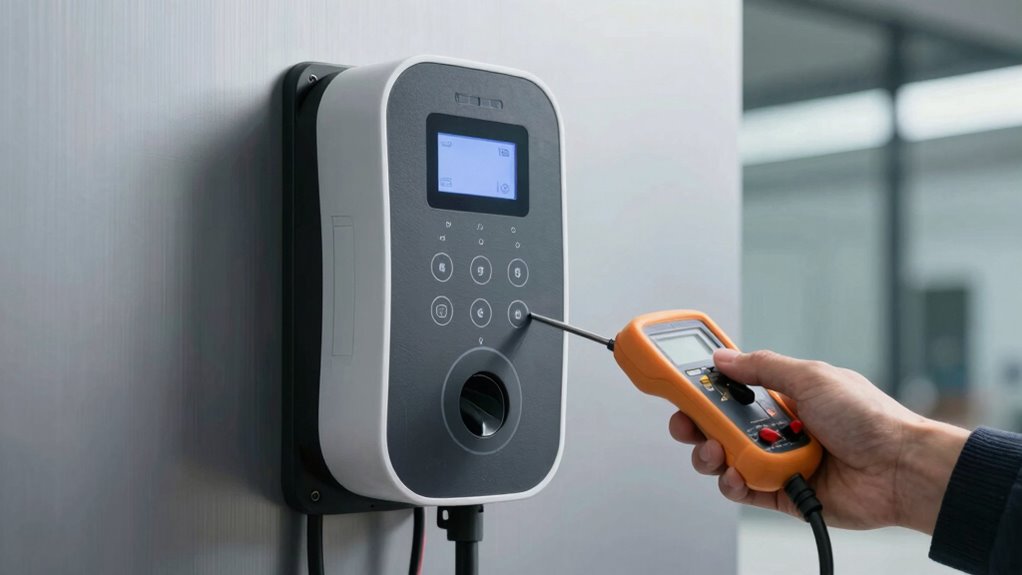

Before installing an EV charger, you need to check your home’s electrical circuit capacity to make certain it can handle the extra load safely. Understanding your current electrical system, including wiring and breaker ratings, is essential to prevent overloading, equipment damage, or safety hazards. Upgrading your system may be necessary if existing capacity is insufficient. Continuing will help you learn how to properly evaluate and prepare your home’s electrical setup for a reliable, safe charging experience.
Open a free Amazon Business account
Business pricing, bulk buying and tax-exempt orders.
As an affiliate, we earn on qualifying purchases.
Key Takeaways
- Assess your existing electrical panel’s amperage capacity to ensure it can support the EV charger’s power requirements.
- Verify wiring and breaker compatibility to prevent overloads and safety hazards before installation.
- Consider potential upgrades to your electrical system to accommodate the additional load safely.
- Evaluate future needs, such as adding more EV chargers or appliances, to plan for scalable capacity.
- Consult a qualified electrician to accurately measure circuit capacity and confirm safe compatibility.
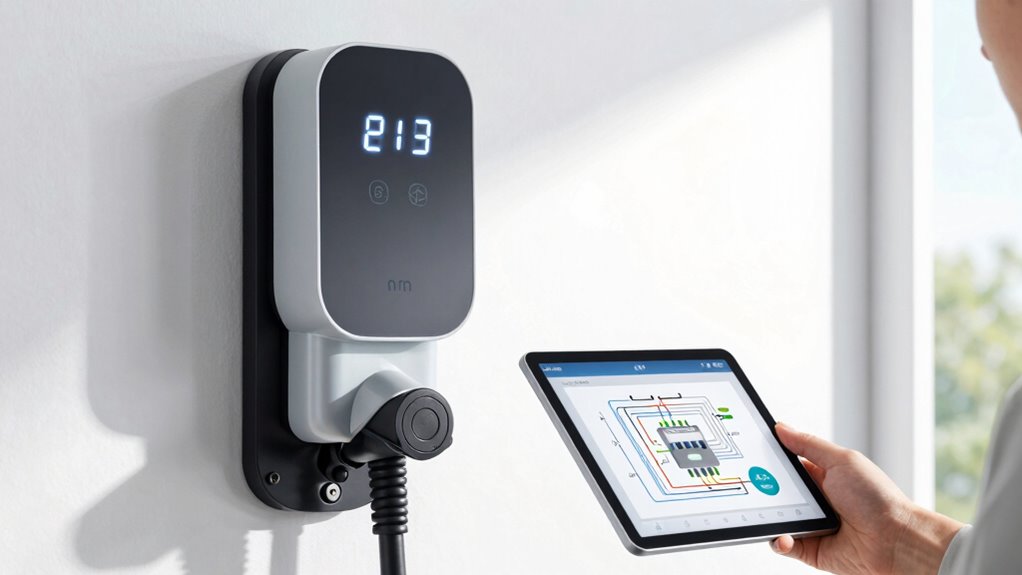
Have you ever wondered if your electrical circuit can handle the load of a new EV charger? Before you rush to install that shiny new charging station, it’s essential to evaluate your current electrical system. Your home’s electrical circuit must supply enough power to support the charger without overloading or causing safety hazards. This is where a thorough circuit capacity check becomes indispensable. The process begins by understanding the power requirements of the charging station you’re considering. Different chargers have varying amperage needs, and knowing these details helps you determine if your existing wiring and breaker panel can support them. If your circuit isn’t rated for the additional load, you risk tripping breakers, damaging equipment, or worse, creating a fire hazard.
Power management plays a pivotal role in this process. Modern homes often have multiple devices competing for power, and your electrical system needs to balance these loads efficiently. An inadequate power management strategy can lead to uneven distribution, leaving your EV charger underpowered or causing disruptions to other appliances. To prevent this, you may need to upgrade your electrical panel or install dedicated circuits for your charging station. These upgrades guarantee that your system can handle the increased demand without compromising safety or performance. Consulting a licensed electrician can help evaluate your current setup, identify potential issues, and recommend the best course of action.
When evaluating your circuit capacity, you should also consider future needs. If you plan to add more electric vehicles or expand your home’s electrical load, it’s wise to account for that now. Investing in a higher-capacity circuit or a smart power management system can save you time and money down the line. A smart system can monitor and control power distribution, ensuring your EV charger operates efficiently without overtaxing your home’s wiring. Additionally, understanding your circuit capacity is crucial to prevent overloads and ensure safety. Being aware of your home electrical system and its capabilities can help you make informed decisions about upgrades and integrations. Recognizing the importance of power requirements can assist you in planning for both current and future electrical demands. Properly assessing your electrical load can help avoid costly and dangerous problems in the future. Knowing the safe capacity of your electrical system can further assist in making modifications that maintain safety standards. Remember, the goal isn’t just to support your current charging needs but to create a safe, reliable environment for all your electrical devices.
EV charger circuit capacity tester
As an affiliate, we earn on qualifying purchases.
As an affiliate, we earn on qualifying purchases.
Frequently Asked Questions
Can I Upgrade My Existing Electrical Panel for Higher EV Charger Capacity?
Yes, you can upgrade your existing electrical panel for higher EV charger capacity, but you need to guarantee proper electrical wiring and panel compatibility. Consult a licensed electrician to assess your current setup, as they can determine if your panel can handle the increased load or if a new panel is necessary. Upgrading safely ensures your electrical system supports your EV charging needs without risking overloads or other issues.
How Long Does a Circuit Capacity Check Usually Take?
A circuit capacity check typically takes about 1 to 2 hours, depending on your electrical system’s complexity. During this process, an electrician guarantees electrical safety and assesses your panel’s ability to handle additional load, promoting power efficiency. They’ll inspect wiring, measure current capacity, and identify any upgrades needed. This quick check helps prevent overloads, ensuring your EV charger operates safely and efficiently without risking damage or safety hazards.
Are There Specific Permits Required for Upgrading Circuit Capacity?
You’ll need some permits for upgrading circuit capacity—surprised? Permit requirements aren’t just bureaucratic hoops; they’re about legal compliance and safety. Skipping this step risks fines or worse, unsafe wiring. It’s ironic how something so straightforward can become a legal maze. Always check with local authorities to verify you meet all permit requirements, protecting your investment and keeping your installation compliant with electrical codes.
What Are Common Signs My Circuit Might Be Overloaded?
You might notice electrical safety issues if your circuit load is overloaded. Common signs include frequent breaker trips, flickering lights, or burning smells near outlets. You may also experience outlets feeling warm or buzzing sounds. These signs indicate your circuit is struggling to handle the load, which can compromise safety. To avoid hazards, it’s crucial to evaluate your circuit load regularly and upgrade your wiring if you notice these warning signs.
How Much Does a Circuit Capacity Assessment Typically Cost?
A circuit capacity assessment typically costs between $100 and $300, depending on your location and the complexity of your electrical system. This assessment is essential for electrical safety and guarantees proper power distribution when installing an EV charger. By investing in this check, you prevent overloads and electrical hazards, maintaining a safe, reliable charging setup. Always hire a licensed electrician to perform the assessment for accurate results.
home electrical panel upgrade kit
As an affiliate, we earn on qualifying purchases.
As an affiliate, we earn on qualifying purchases.
Conclusion
Before you plug in your EV charger, don’t overlook the circuit capacity check. It’s the key to ensuring safe and efficient charging without tripping your breaker or damaging your home’s electrical system. Think of it as checking your oil before a long drive—better safe than sorry. Taking a moment to verify your circuit’s capacity will keep your EV charging smooth sailing, so you can hit the road with confidence and peace of mind.
dedicated EV charging circuit breaker
As an affiliate, we earn on qualifying purchases.
As an affiliate, we earn on qualifying purchases.
smart power management system for EV chargers
As an affiliate, we earn on qualifying purchases.
As an affiliate, we earn on qualifying purchases.
Flea & tick season Picks
flea and tick prevention
As an affiliate, we earn on qualifying purchases.