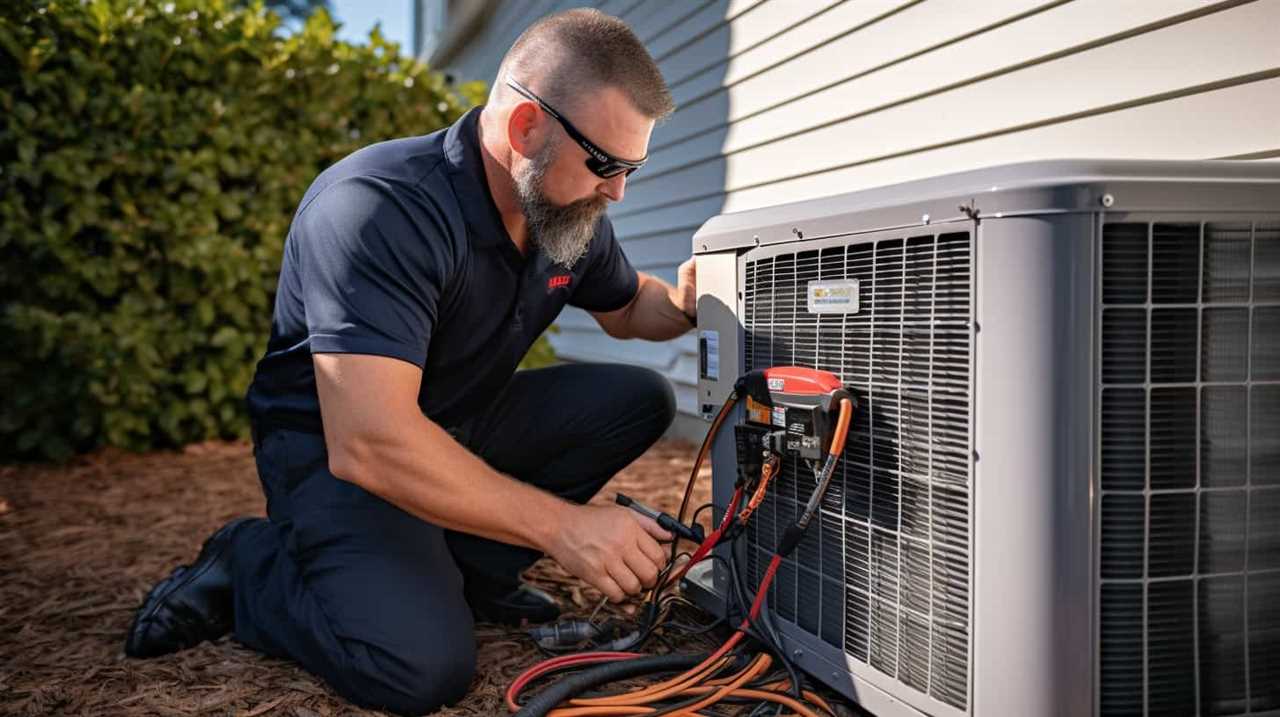
Choosing professional installation over DIY offers you safety, higher quality work, and long-term savings. Professionals have the experience, skills, and tools to do the job right the first time, reducing risks of mistakes, hazards, or code violations. While DIY might seem cheaper initially, it can lead to costly repairs later. To understand the true advantages and what to contemplate, explore how expert installation makes a difference and what you need to know.

Get backup power and energy gear delivered free with Prime
- Fast, free delivery on millions of items
- Prime Video, Amazon Music and more included
- Member-only deals all year
Key Takeaways
- Professional installers ensure faster, cost-effective projects with fewer mistakes, reducing long-term expenses.
- Skilled professionals deliver higher quality work, minimizing errors and ensuring durability and safety.
- Professionals adhere to safety standards and building codes, lowering risks of accidents and legal issues.
- DIY projects may save upfront costs but risk costly repairs and compromised safety if skills are insufficient.
- Hiring experts guarantees compliance, safety, and long-lasting results, making it a reliable investment.
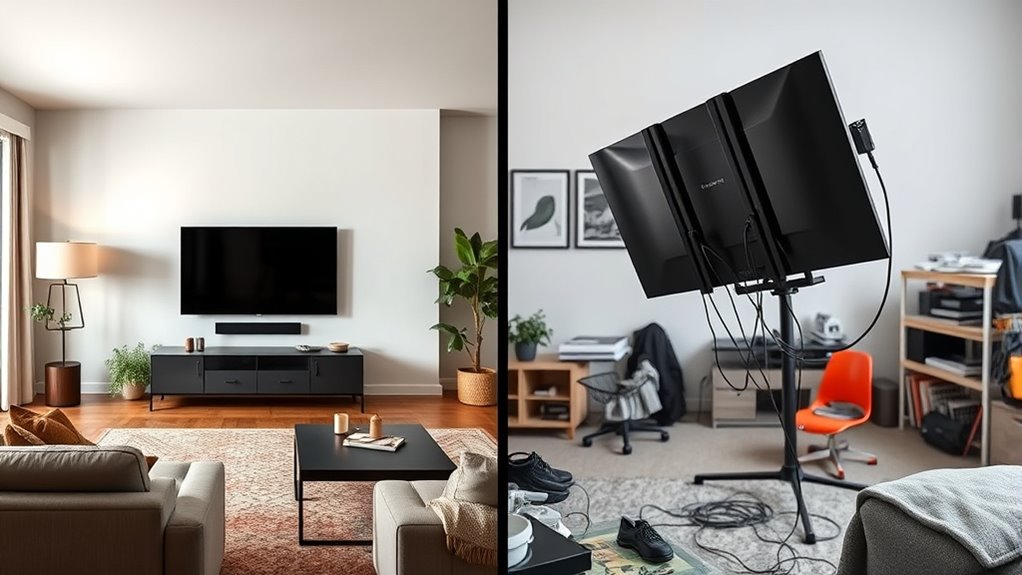
When it comes to tackling home improvement projects, deciding between professional installation and DIY can considerably impact your time, costs, and results. If you’re considering whether to hire experts or roll up your sleeves, understanding how each approach influences cost efficiency and safety standards is essential. Professional installers often bring extensive experience, which means they can complete projects faster and with fewer mistakes, ultimately saving you money in the long run. They have access to quality materials and tools, ensuring that the job is done correctly the first time. This level of expertise translates into better durability, fewer call-backs, and less need for costly repairs later. Additionally, professionals are well-versed in safety standards, reducing the risk of accidents or hazards that could arise from improper handling or installation. This is especially pivotal when working with electrical, plumbing, or structural components, where safety cannot be compromised.
Professional installers ensure quality, safety, and long-term savings through expertise and proper materials.
On the other hand, DIY projects can seem appealing due to their lower upfront costs and the satisfaction of completing a project yourself. However, if you lack the necessary skills or knowledge, you might end up spending more money fixing mistakes or correcting errors made during the process. While you might save on labor costs initially, poor installation can lead to higher costs down the line, particularly if safety standards aren’t met. For example, improperly installed electrical wiring can pose fire hazards, and subpar roofing work might result in leaks and water damage. When it comes to cost efficiency, carefully evaluating your skill level and the complexity of the project is vital. Sometimes, trying to save money by DIY can backfire if it results in substandard work that requires professional repair later.
Choosing the right approach also depends on the safety standards involved in your project, which professionals are trained to uphold and ensure. Furthermore, safety should always be a top priority. Professionals are trained to handle challenging aspects of installation with proper safety measures, reducing the risk of injury. They are also familiar with local building codes and regulations, ensuring your project complies with safety standards and passes inspections. If you decide to DIY, you must commit to thoroughly researching safety protocols and adhering to all guidelines, which can be time-consuming and overwhelming. Neglecting safety considerations not only endangers you and your family but can also lead to legal issues or fines if codes are violated.
Ultimately, whether you choose professional installation or DIY depends on your expertise, budget, and the specific project. For complex, safety-critical tasks, hiring professionals often proves more cost-efficient and safer in the long run. If you’re confident in your skills and the project is straightforward, DIY can be rewarding, but always prioritize safety and realistic expectations about costs and outcomes.
professional electrical wiring installation
As an affiliate, we earn on qualifying purchases.
As an affiliate, we earn on qualifying purchases.
Frequently Asked Questions
How Do Costs Compare Between Professional Installation and DIY?
The cost comparison shows that DIY projects usually cost less upfront, saving you on labor expenses. However, an expense analysis reveals that professional installation might be pricier initially but can prevent costly mistakes and damages. You should weigh the lower initial cost against potential future costs. If you’re confident in your skills, DIY saves money, but for complex tasks, investing in professional installation could be more cost-effective long-term.
What Safety Risks Are Involved With DIY Installation?
When you attempt a DIY installation, you risk safety hazards like electrical shocks or fires caused by improper wiring. Without proper training, you might misread instructions or overlook safety protocols, putting yourself and others in danger. Handling electrical components without expertise increases the chance of accidents. Always prioritize safety by knowing your limits and considering professional help to guarantee your installation is secure and compliant with safety standards.
How Long Does Professional Installation Typically Take?
Think of professional installation as a well-choreographed dance—efficient and smooth. Typically, the installation duration varies based on the system and your home, but you can expect it to take anywhere from a few hours to a full day. Timing expectations are generally clear, with professionals providing an estimated schedule upfront. This makes sure you know how long the process will take, allowing you to plan accordingly and avoid unnecessary delays.
Can DIY Installation Void Product Warranties?
Yes, DIY installation can void product warranties if you don’t follow the manufacturer’s instructions carefully. Warranty concerns arise because improper setup may damage the product or reduce its lifespan. Avoid DIY pitfalls by thoroughly reading the manual and seeking professional help if you’re unsure. This guarantees your installation complies with warranty terms, protecting your investment and ensuring maximum performance. Always check the warranty policy before attempting a DIY project.
What Skills Are Necessary for Successful DIY Installation?
You’ll need more than just a fancy toolkit to succeed in DIY installation. Basic skills like measuring accurately, reading instructions, and handling tools safely are essential. Expect to require the right tool requirements—screwdrivers, drills, level, and perhaps a wrench. Your skill level should include patience and problem-solving. Ironically, just because you can follow a YouTube tutorial doesn’t mean you’re ready for complex projects—know your limits before diving in.
As an affiliate, we earn on qualifying purchases.
Conclusion
Ultimately, choosing between professional installation and DIY hinges on your confidence and the stakes involved. Remember, even the most skilled DIYer can stumble without proper tools or expertise—like a house of cards waiting to fall. While DIY can be rewarding, sometimes it’s wiser to entrust the professionals who have the experience and precision to get it right the first time. After all, isn’t peace of mind worth the investment?
As an affiliate, we earn on qualifying purchases.
As an affiliate, we earn on qualifying purchases.
Halloween Picks
halloween
As an affiliate, we earn on qualifying purchases.