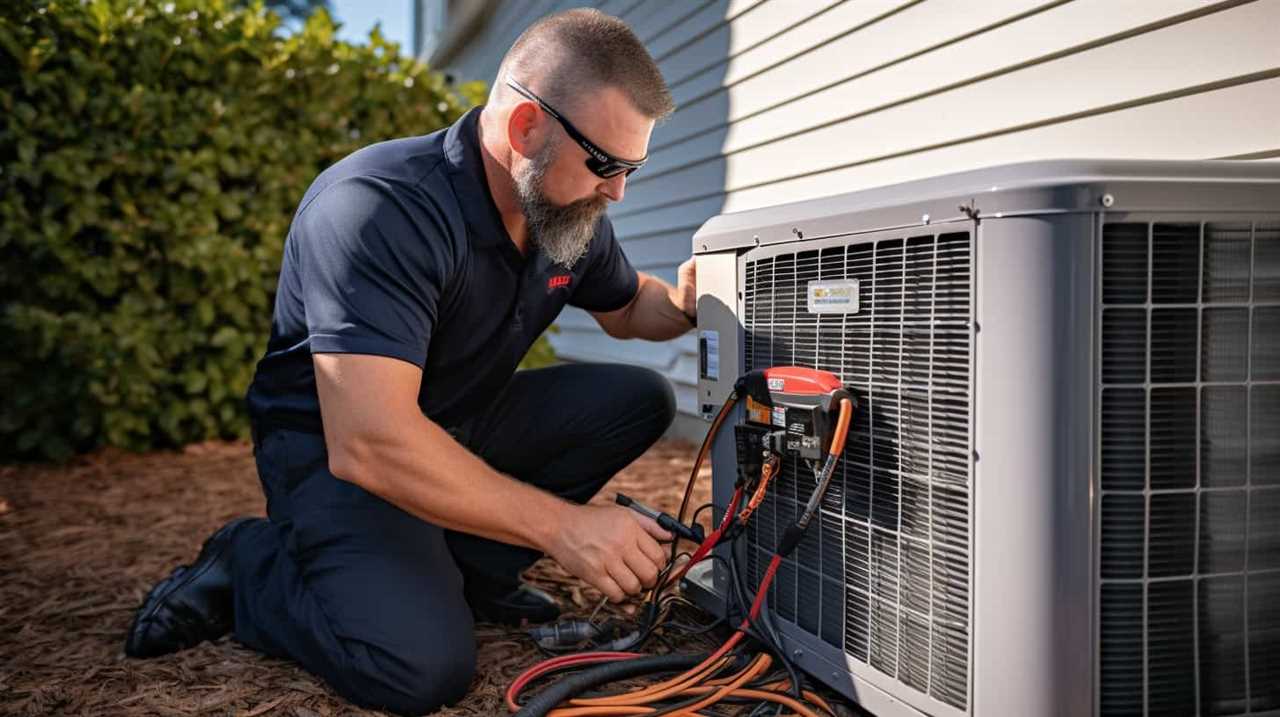
Dear audience, it is now the moment to reveal the reality. In the ongoing debate between heat pumps and traditional heaters, there have been numerous false beliefs and misunderstandings circulating.
But fear not, for today we will dismantle the falsehoods and reveal the facts. Join us as we delve into the world of energy efficiency, cost comparison, environmental impact, and the performance of heat pumps.
Prepare to be enlightened and empowered as we uncover the true potential and long-term savings of heat pump technology.
Key Takeaways
- Heat pumps are more energy efficient than traditional heaters, producing up to three units of heat per unit of electricity consumed.
- Heat pumps have a lower carbon footprint and contribute to reducing greenhouse gas emissions compared to traditional heaters.
- Heat pumps offer long-term savings due to lower installation expenses, lower energy bills, and reduced maintenance costs.
- Heat pumps are reliable, durable, and provide consistent heating and cooling performance throughout the year.
Energy Efficiency: Understanding the Numbers
Let’s delve into the numbers and understand the energy efficiency of heat pumps compared to traditional heaters.
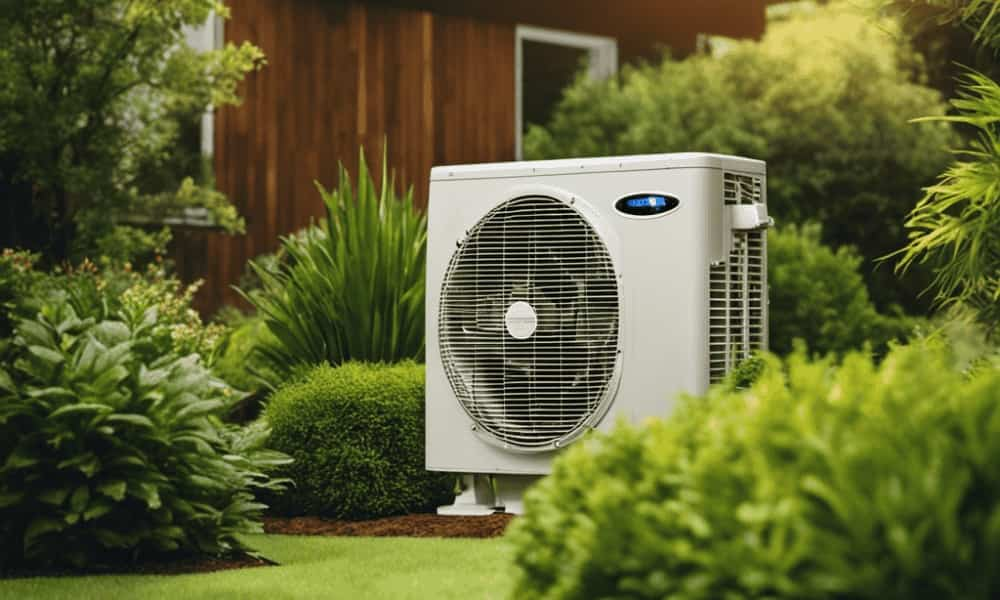
When it comes to energy savings, heat pumps have a clear advantage. They’re able to transfer heat from the air or ground, rather than generating heat directly. This means that for every unit of electricity consumed, heat pumps can produce up to three units of heat.
On the other hand, traditional heaters, such as furnaces, burn fuel to create heat, resulting in lower energy efficiency.
Additionally, heat pumps have a lower carbon footprint compared to traditional heaters. Since they rely on renewable energy sources, such as air or ground heat, they release fewer greenhouse gas emissions.
Cost Comparison: Heat Pumps Vs. Traditional Heaters
When comparing costs, heat pumps offer significant savings compared to traditional heaters. This is due to lower installation expenses and maintenance costs associated with heat pumps.
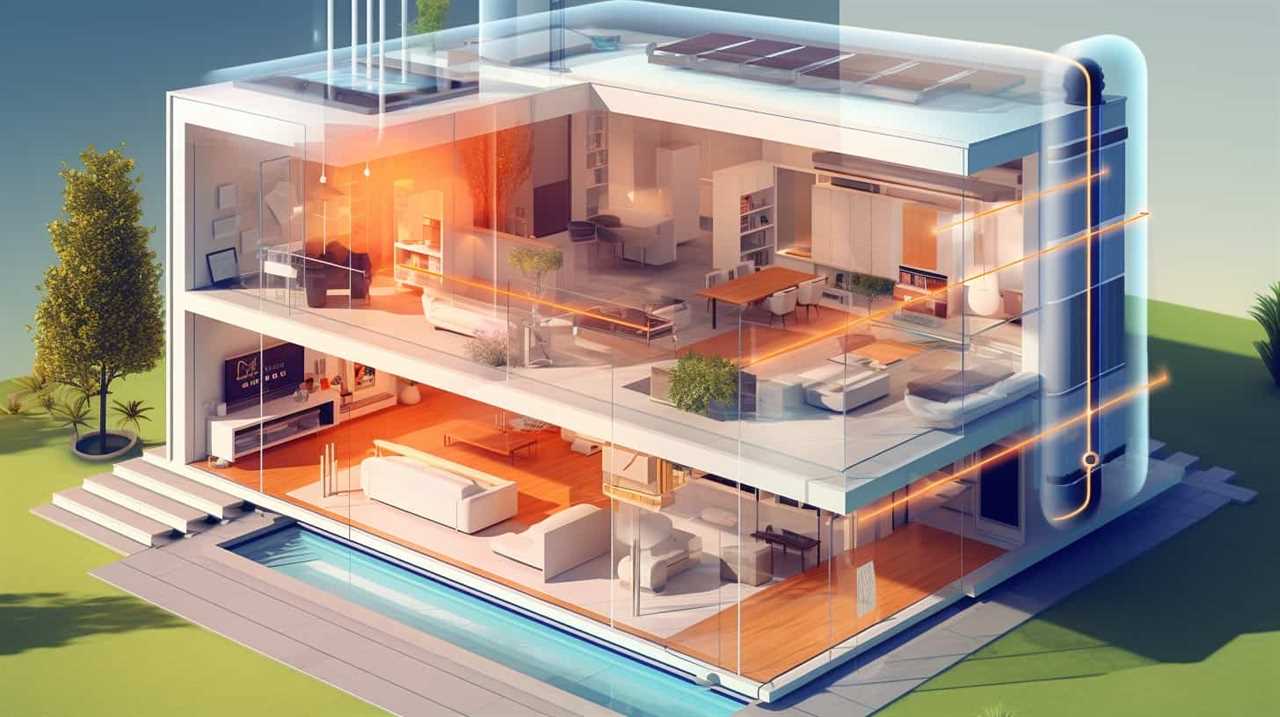
Here are three reasons why heat pumps are more cost-effective:
-
Lower installation expenses: Heat pumps require only one installation, as they serve both heating and cooling purposes. This eliminates the need for separate systems, saving you money on installation costs.
-
Reduced maintenance costs: Heat pumps have fewer moving parts compared to traditional heaters, resulting in lower maintenance needs and costs over time. This translates into long-term savings for homeowners.
-
Energy efficiency: Heat pumps are highly efficient, using less energy to produce the same amount of heat as traditional heaters. This means lower energy bills and more money in your pocket.
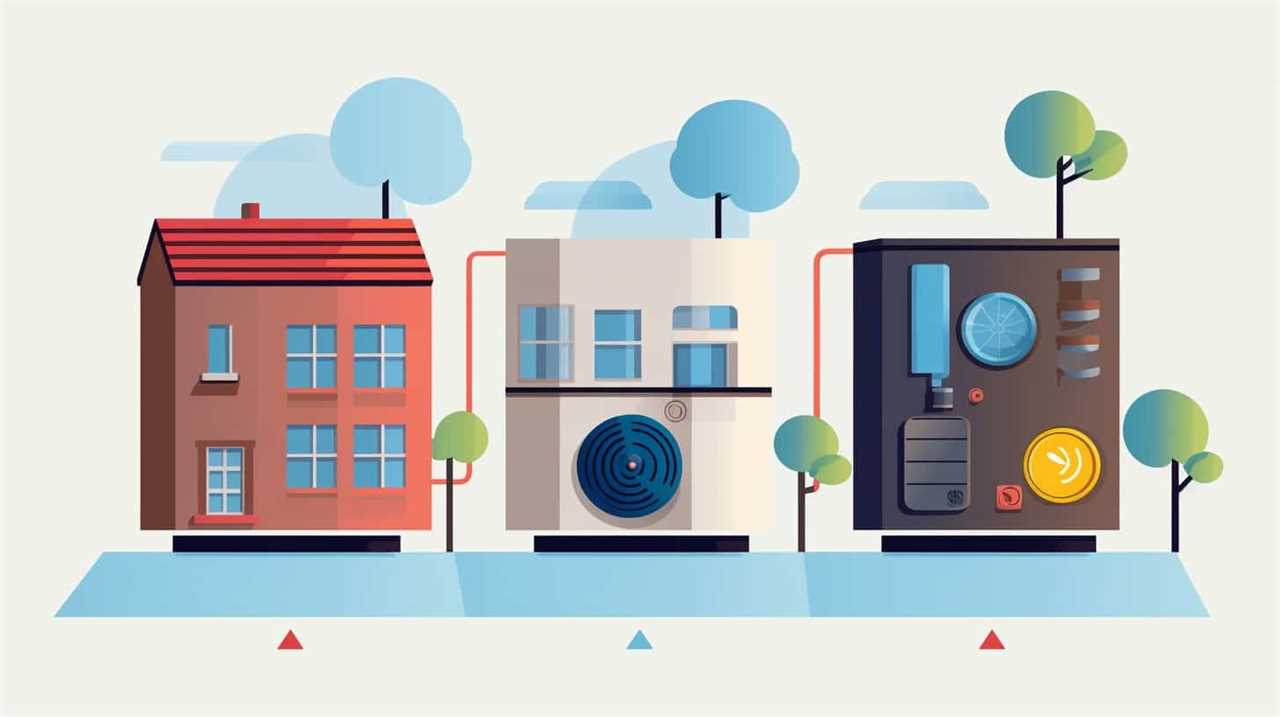
Environmental Impact: Assessing Electricity Usage
When considering the environmental impact of heat pumps versus traditional heaters, we need to assess their electricity usage.
Heat pumps are known for their energy efficiency, utilizing electricity to transfer heat rather than generating it. This results in lower electricity consumption compared to traditional heaters that rely on combustion.
By reducing the amount of electricity needed to heat a space, heat pumps contribute to a lower carbon footprint. The carbon footprint is a measure of the greenhouse gas emissions produced during the entire lifecycle of a product or service.
Since heat pumps have lower electricity consumption, they indirectly reduce the carbon emissions associated with electricity generation. This makes heat pumps a greener and more environmentally friendly option for heating homes and buildings.

Heat Pump Performance: Debunking the Myths
We’ve tested and debunked the myths surrounding heat pump performance. Contrary to popular belief, heat pumps are reliable and offer efficient heating and cooling solutions. Here’s what you need to know:
-
Heat Pump Reliability: Heat pumps are designed to last for many years, providing consistent performance with proper maintenance. They’re built with durable components that can withstand various weather conditions.
-
Efficient Installation: Heat pump installation is a straightforward process that can be completed by professionals in a timely manner. It involves connecting the indoor and outdoor units, as well as installing the necessary ductwork. With proper installation, heat pumps can efficiently heat or cool your space.
-
Consistent Performance: Heat pumps offer consistent heating and cooling throughout the year. They’re designed to maintain a comfortable indoor environment, regardless of the outdoor temperature. With advanced technology and smart controls, heat pumps can adapt to changing weather conditions and provide consistent performance.
Long-Term Savings: Investing in Heat Pump Technology
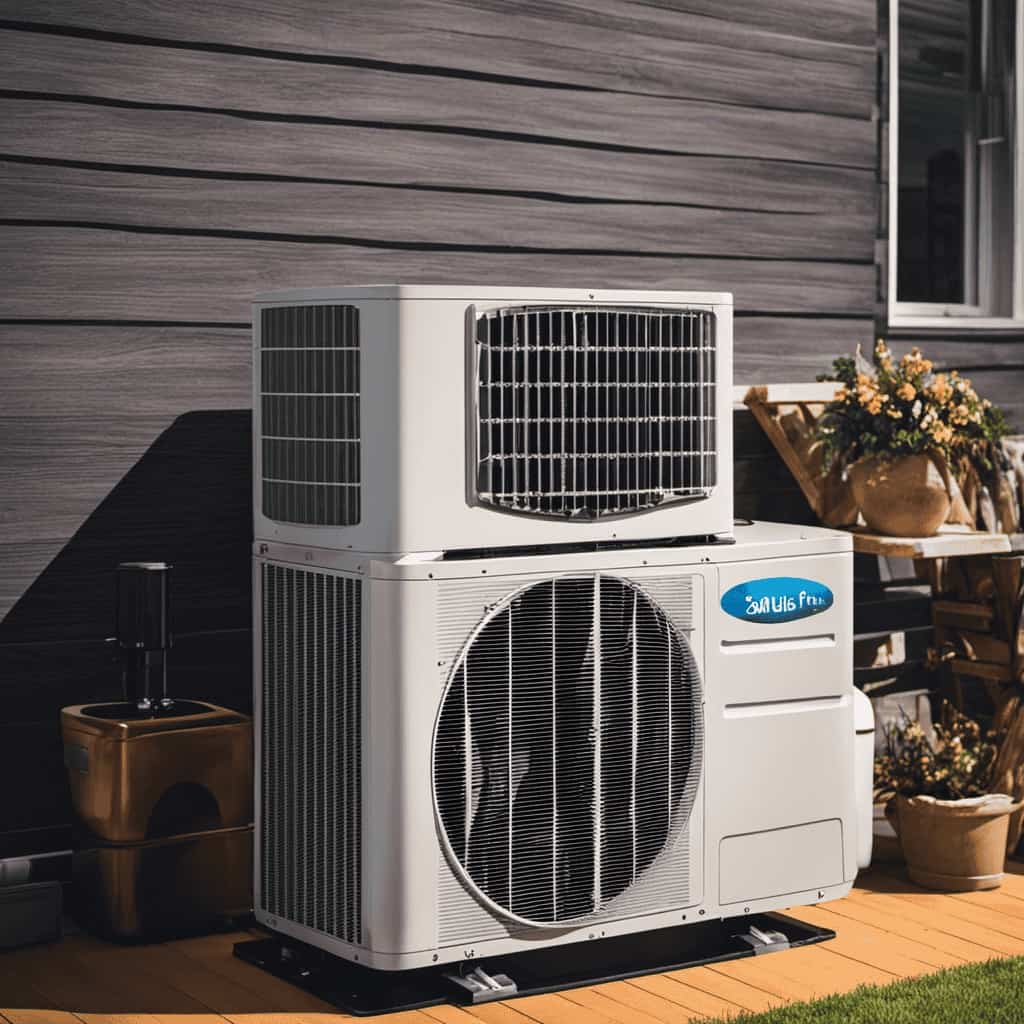
Investing in heat pump technology can provide long-term savings for homeowners. Heat pumps are highly efficient systems that use electricity to transfer heat from one place to another. Unlike traditional heaters, which rely on burning fuel to generate heat, heat pumps use the ambient air or ground as a heat source. This means that they can provide heating and cooling for your home, making them a versatile option.
The long-term benefits of heat pumps include lower energy bills, reduced maintenance costs, and a smaller carbon footprint. While the initial investment may be higher than traditional heaters, the return on investment is significant over time. Homeowners can expect to see a decrease in their energy consumption and enjoy a more comfortable living environment.
Frequently Asked Questions
Are There Any Government Incentives or Rebates Available for Installing a Heat Pump?
Yes, there are government incentives and rebates available for installing a heat pump. These incentives are aimed at promoting energy savings and reducing carbon emissions. They vary depending on location and can help offset the cost of installation.
How Noisy Are Heat Pumps Compared to Traditional Heaters?
Heat pumps are quieter than traditional heaters, making them a more peaceful option for your home. Additionally, their efficiency can save you money on energy bills, giving you the freedom to spend your hard-earned cash elsewhere.
Can a Heat Pump Be Used for Both Heating and Cooling Purposes?
Yes, a heat pump can be used for both heating and cooling purposes. It is highly efficient and offers numerous benefits like energy savings, year-round comfort, and eco-friendliness.
What Is the Average Lifespan of a Heat Pump?
Heat pumps offer efficient heating and cooling, making them a versatile choice. The average lifespan of a heat pump can vary depending on maintenance, but with regular care, they can last 15-20 years. Regular maintenance increases their longevity and ensures optimal performance.
Are Heat Pumps Suitable for All Types of Homes and Climates?
Heat pumps are suitable for most homes and climates, but efficiency may vary. They can efficiently heat and cool, saving on energy costs. Installation costs can be high, but long-term savings can outweigh initial expenses.
Conclusion
In conclusion, heat pumps offer a more energy-efficient and cost-effective heating solution compared to traditional heaters.
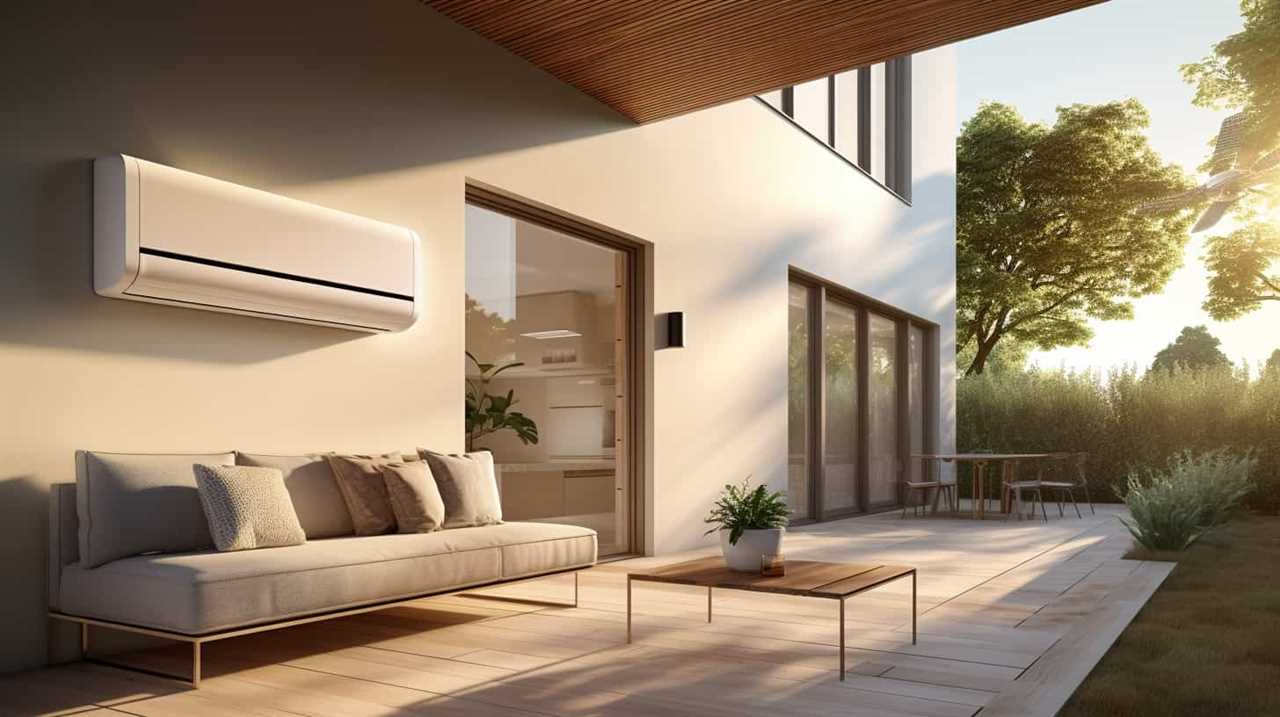
One interesting statistic to consider is that heat pumps can save up to 50% on energy costs compared to traditional heaters, leading to significant long-term savings.
By choosing heat pump technology, not only can we reduce our environmental impact, but we can also enjoy the benefits of lower utility bills.
It’s time to debunk the myths and embrace the efficiency of heat pumps.