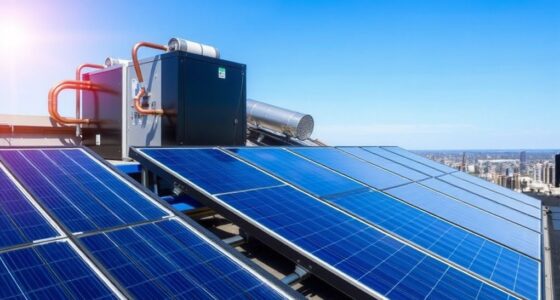
Adding EV chargers to your home means you’ll need to upgrade your electrical system, including your panel and wiring, to handle higher power demands safely. You’ll want to plan for dedicated circuits and consider integrating smart grid tech and battery storage for ideal energy use and resilience. These changes make your home more adaptable, future-proof, and efficient. To understand how all these pieces come together and what steps to take, keep exploring this topic further.

Get backup power and energy gear delivered free — and shop member deals
- Fast, free delivery on millions of items
- Access to Prime Big Deal Days deals on October 6–7
- Prime Video, Amazon Music and more included
Key Takeaways
- EV charging necessitates upgrading electrical panels and wiring to support higher power demands safely.
- Incorporating battery storage optimizes renewable energy use and reduces grid dependence for EV charging.
- Smart grid integration allows dynamic management of energy, prioritizing EV charging during low-demand periods.
- Whole-home upgrades should create a coordinated system for seamless EV integration and future electrification needs.
- Proactive planning ensures energy efficiency, system stability, and adaptability amid increasing EV adoption.
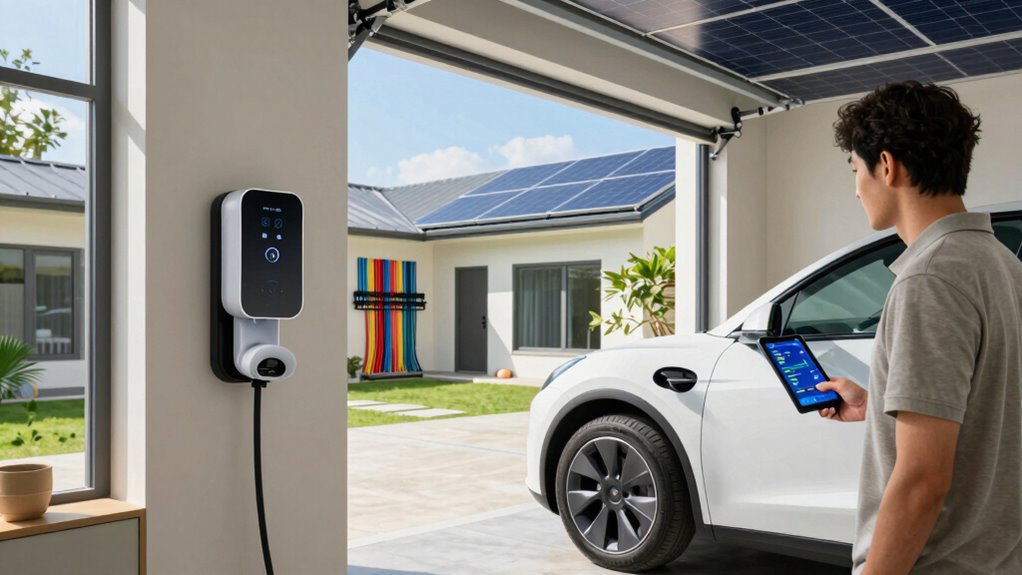
As electric vehicles (EVs) become increasingly popular, understanding how to effectively charge them and upgrade your home’s electrical system is essential. Your home’s electrical planning now involves more than just powering lights and appliances; it must accommodate the demands of EV charging and the integration of advanced technologies like battery storage and smart grid systems. Proper planning ensures you can charge your EV efficiently without overloading your existing system, while also leveraging new innovations that make your home more energy resilient and cost-effective.
Preparing your home for EVs involves smart upgrades, battery storage, and smart grid integration for efficiency and resilience.
When considering EV charging, you need to think about your electrical capacity. A standard home may not be equipped to handle the high power draw of fast chargers, so upgrading your electrical panel might be necessary. Installing a dedicated circuit for your EV charger helps prevent overloads and ensures safe, reliable charging. But beyond just the charger itself, your home’s overall electrification plan should incorporate battery storage solutions. Battery storage allows you to store excess energy generated from renewable sources, like solar panels, which can then be used to charge your EV during peak times or when electricity prices are high. This not only reduces your reliance on the grid but also enhances your energy independence.
This is where the smart grid comes into play. A smart grid system enables your home to communicate with the utility, optimizing energy use based on demand, availability, and cost. When integrated with your battery storage, a smart grid can automatically prioritize charging your EV during periods of low demand or high renewable output, reducing your overall energy costs. It also helps balance your home’s energy consumption, preventing overloads and ensuring that your electrical system functions smoothly as your EV charging needs grow.
Upgrading your home for EV charging isn’t just about adding a charger; it’s about creating a coordinated, efficient energy ecosystem. You’ll want to ensure your wiring, panel capacity, and backup power options are all aligned with future needs. Incorporating battery storage and a smart grid can turn your home into a more flexible, resilient energy hub capable of supporting your EV and other electrification upgrades. This holistic approach future-proofs your home, making EV charging not just convenient but seamlessly integrated into your daily energy use. As EV adoption continues to rise, proactive planning will help you enjoy the benefits of electric driving while maintaining a stable, efficient, and cost-effective home energy system.
As an affiliate, we earn on qualifying purchases.
Frequently Asked Questions
How Does EV Charging Impact Overall Home Energy Costs?
EV charging can increase your home energy costs, especially if you charge during peak hours. However, by integrating renewable energy sources, like solar, you can offset some of these costs. Using energy storage helps you charge your EV when electricity is cheaper and reduces reliance on the grid. This approach not only lowers your overall energy expenses but also supports sustainable, renewable integration for a more efficient home.
What Are the Best Locations for EV Chargers in a Home?
You should install EV chargers in your garage for convenience and protection from weather. Garage placement makes it easy to plug in overnight and keeps your vehicle sheltered. If garage space isn’t available, consider outdoor accessibility near your driveway or carport, ensuring the charger is weatherproof and easily reachable. Prioritize locations that align with your daily routine, making charging seamless and efficient without disrupting your home’s layout.
How Can Smart Technology Optimize Home Electrification With EVS?
Smart technology optimizes your home electrification by integrating renewable energy sources and managing demand efficiently. You can automate charging schedules, ensuring your EV charges when renewable energy is abundant, reducing reliance on the grid. Demand management features prevent overloads during peak hours, saving costs and extending your system’s lifespan. This seamless coordination enhances energy efficiency, lowers bills, and supports a greener lifestyle by maximizing renewable integration.
What Safety Considerations Are There for High-Capacity Home Charging?
When you’re setting up high-capacity home charging, prioritize safety protocols and proper electrical wiring. Guarantee your wiring can handle the load to prevent overheating or fires. Use certified chargers and follow manufacturer guidelines. Regularly inspect connections and circuit breakers for wear. Consulting a licensed electrician helps meet safety standards and improves electrical system resilience, giving you peace of mind while charging your EV efficiently and safely.
How Does EV Charging Influence Future Home Upgrade Plans?
Your EV charging needs influence future home upgrade plans by prompting you to improve garage insulation for better energy efficiency and to contemplate solar panel integration for sustainable power. Upgrading your electrical system becomes essential to handle increased load, ensuring safety and reliability. Planning these enhancements now helps you maximize your home’s energy savings, reduce long-term costs, and seamlessly incorporate future electric vehicle technology into your home’s infrastructure.
home electrical panel upgrade kit
As an affiliate, we earn on qualifying purchases.
As an affiliate, we earn on qualifying purchases.
Conclusion
As you embrace EV charging, you’re planting seeds for a brighter, more sustainable future. It’s like charting a new course through uncharted waters, where each decision shapes the landscape of your home’s energy ecosystem. With every upgrade and adjustment, you’re weaving a tapestry of innovation and responsibility—transforming your house into a beacon of progress. So, step confidently into this electrified journey; your choices today will illuminate the path for generations to come.
As an affiliate, we earn on qualifying purchases.
smart home energy management system
As an affiliate, we earn on qualifying purchases.
As an affiliate, we earn on qualifying purchases.
Halloween Picks
halloween
As an affiliate, we earn on qualifying purchases.