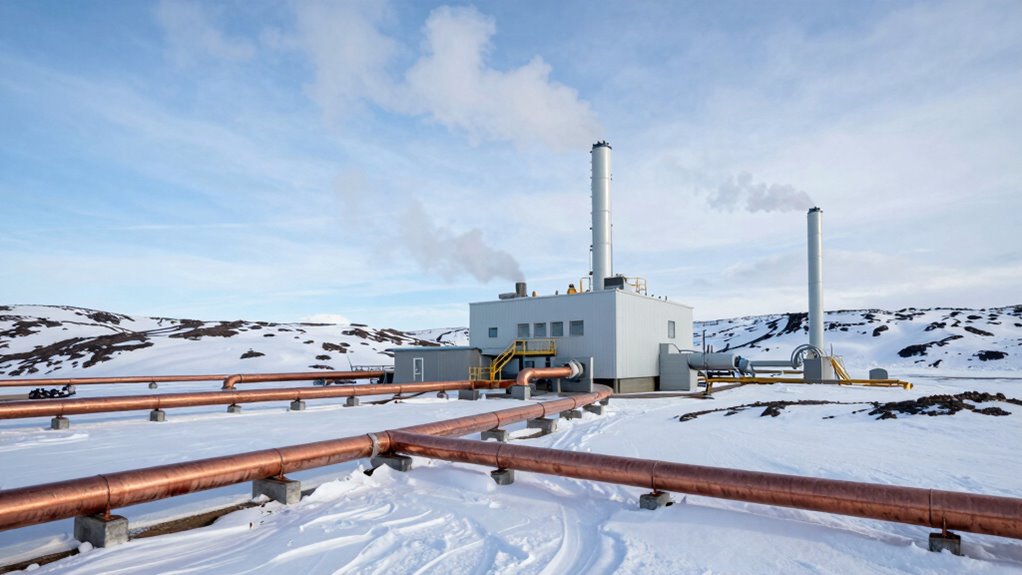

Many overlook that underground temperatures stay relatively steady year-round, making geothermal energy a more reliable and efficient heating option than surface-based renewables. This stability means your heat pump doesn’t have to work as hard, reducing energy use and costs. Unlike solar or wind power, geothermal isn’t affected by weather or seasonal changes. By understanding this key factor, you can make smarter choices for sustainable, cost-effective heating — and there’s more to uncover that could change how you see renewable solutions.

Get backup power and energy gear delivered free — and shop member deals
- Fast, free delivery on millions of items
- Access to Prime Big Deal Days deals on October 6–7
- Prime Video, Amazon Music and more included
Key Takeaways
- Many overlook underground temperature stability as a critical factor for geothermal system efficiency.
- Surface temperature fluctuations are often emphasized over the consistent underground heat source.
- Proper site assessment and depth selection are essential but frequently underestimated in geothermal planning.
- Recognizing underground temperature variability can significantly improve system performance and longevity.
- Emphasizing underground thermal stability shifts focus from renewable energy sources to highly efficient, reliable heating solutions.

Have you ever considered how geothermal energy can revolutionize renewable heating? It’s a topic that often gets overlooked in the broader conversation about sustainable solutions, yet it holds incredible potential. Central to this is the efficiency of heat pumps, which are key to harnessing geothermal energy effectively. Heat pump efficiency depends heavily on the stability of underground temperatures, making understanding underground temperature variability essential. Unlike surface temperatures that fluctuate daily and seasonally, underground temperatures tend to stay relatively constant year-round. This consistency allows heat pumps to operate more efficiently, providing reliable heating and cooling without the high energy costs associated with traditional systems.
When you think about underground temperature variability, it becomes clear why geothermal systems are so promising. The depth at which you install the system influences how much the temperature varies. Deeper ground layers tend to have more stable temperatures, generally ranging between 45 to 75 degrees Fahrenheit, depending on your location. This stability means that your heat pump doesn’t have to work as hard to extract or deposit heat, greatly boosting its efficiency. As a result, you save money over time because less energy is wasted, and your system performs reliably regardless of outside weather conditions. Additionally, understanding underground temperature variability is crucial for optimizing system design and ensuring long-term performance.
Many discussions about renewable heating focus on solar or wind energy, but geothermal energy’s unique advantage is that it provides a consistent heat source that isn’t affected by weather or daylight hours. This consistency directly impacts heat pump efficiency—when underground temperatures are stable, your system’s performance improves, and energy consumption drops. It’s a key point often missed in mainstream debates, which tend to emphasize intermittent sources like solar and wind. But geothermal offers a dependable backbone, especially when paired with high-efficiency heat pumps designed to leverage underground temperature stability. Additionally, advances in geothermal system design are making these solutions more accessible and cost-effective for homeowners and businesses alike.
Furthermore, understanding underground temperature variability helps in designing ideal geothermal systems. Proper site assessment ensures you install the system at the right depth, maximizing efficiency and lifespan. It’s a practical step that can make or break your system’s performance, yet many overlook this vital detail. When you prioritize this, you’re more likely to enjoy lower energy bills, fewer emissions, and a dependable heating solution that works year-round. Recognizing the importance of ground temperature stability can significantly enhance the overall effectiveness of geothermal solutions. For example, incorporating underground temperature monitoring can further refine system placement and efficiency.
In essence, the real power of geothermal energy lies in its ability to utilize underground temperature stability, which directly influences heat pump efficiency. Recognizing this factor shifts the conversation from just renewable to highly efficient and reliable. When you consider the underground temperature variability and its impact on system performance, you can make smarter choices about adopting geothermal heating—choices that benefit your wallet and the environment alike.
As an affiliate, we earn on qualifying purchases.
Frequently Asked Questions
How Long Does a Typical Geothermal Heating System Last?
A typical geothermal heating system lasts about 25 to 50 years, but with proper geothermal maintenance, you can guarantee its system lifespan. The underground loops tend to last even longer, often 50 years or more, while the equipment inside might need updates after 20-25 years. Regular inspections and timely repairs ensure your system remains efficient, helping you maximize your investment in renewable heating technology.
What Are the Initial Costs of Installing Geothermal Heating?
You’ll find the initial costs of installing geothermal heating range from $10,000 to $30,000, depending on your property size and system type. While the cost comparison shows higher upfront expenses than traditional systems, installation challenges like drilling and land space can add to costs. However, long-term savings on energy bills often offset these initial investments, making geothermal a smart, sustainable choice for renewable heating.
Can Geothermal Systems Be Combined With Existing Heating Methods?
Yes, you can combine geothermal systems with existing heating methods through hybrid integration. This approach allows you to optimize efficiency and reduce costs, especially during peak demand. When comparing costs, hybrid systems often have a lower initial investment than full geothermal setups alone, making them a practical choice. You benefit from renewable energy savings while maintaining reliable heating, balancing upfront expenses with long-term savings and flexibility.
How Does Geothermal Heating Perform in Extreme Cold Climates?
In extreme cold climates, geothermal heating often surprises you with its resilience. Deep freeze challenges are mitigated by frost line adaptations, where the system’s underground loops stay warm enough despite the frigid air above. This coincidence of technology and environment means your geothermal system can maintain efficiency, even when temperatures plunge well below freezing. Properly installed, it offers reliable warmth, proving that geothermal energy adapts impressively to the coldest climates.
What Environmental Impacts Are Associated With Geothermal Energy Extraction?
You should know that geothermal energy extraction has a relatively small environmental footprint, but it’s not entirely impact-free. It can cause seismic risks due to underground fluid injections or withdrawals, which might induce minor earthquakes. Additionally, there’s potential for land disturbance and the release of trace gases, like sulfur dioxide, during drilling. Overall, geothermal energy remains a cleaner alternative, but careful management is essential to minimize these environmental impacts.
As an affiliate, we earn on qualifying purchases.
Conclusion
By exploring the geothermal angle, you open the door to a quieter, more reliable source of warmth that often goes unnoticed. It’s a gentle reminder that sometimes, the most subtle shifts in thinking can lead to profound changes in our energy landscape. Embracing this beneath-the-surface solution might just be the gentle nudge needed to turn the tide toward truly sustainable heating. After all, the best warmth often comes from the most discreet sources.
geothermal system installation kit
As an affiliate, we earn on qualifying purchases.
As an affiliate, we earn on qualifying purchases.
As an affiliate, we earn on qualifying purchases.
Fall Picks
fall essentials
As an affiliate, we earn on qualifying purchases.