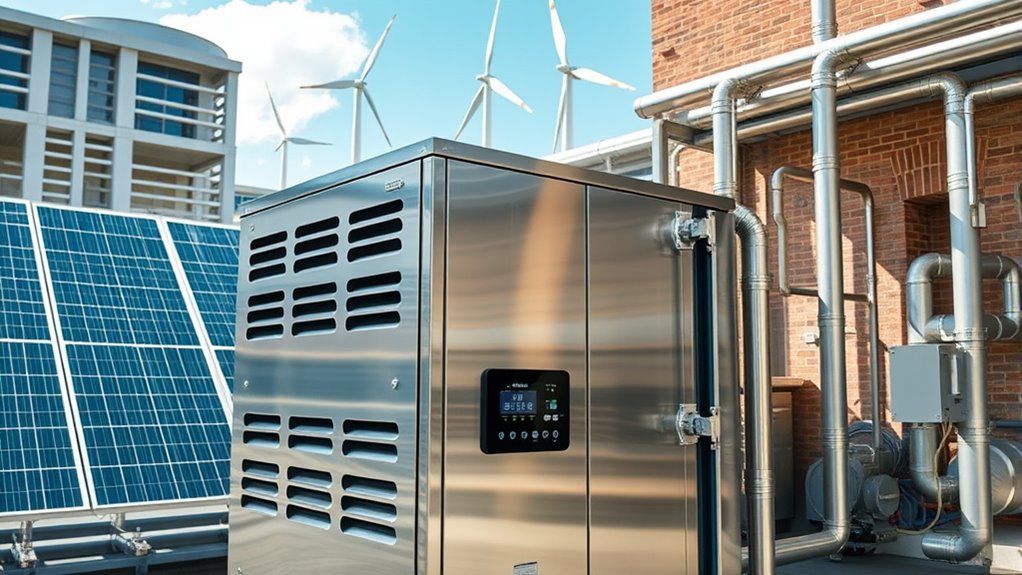

Heat pumps in district energy systems powered by renewables offer a sustainable and efficient way to heat and cool urban areas. They work with renewable sources like solar or wind to reduce reliance on fossil fuels, while thermal storage helps manage energy use and stabilize supply. This integration improves grid stability, lowers operational costs, and maximizes renewable energy benefits. To discover more about how these systems are transforming urban energy management, keep exploring the possibilities.
Key Takeaways
- Heat pumps efficiently provide heating and cooling in district energy systems using renewable energy sources.
- Integrating thermal storage allows for better management of renewable energy, smoothing supply fluctuations.
- Powering heat pumps with renewables reduces reliance on fossil fuels and decreases greenhouse gas emissions.
- System flexibility enables heat pumps to operate during renewable energy surpluses, optimizing grid stability.
- Enhanced control and energy management improve cost savings and support urban sustainability goals.
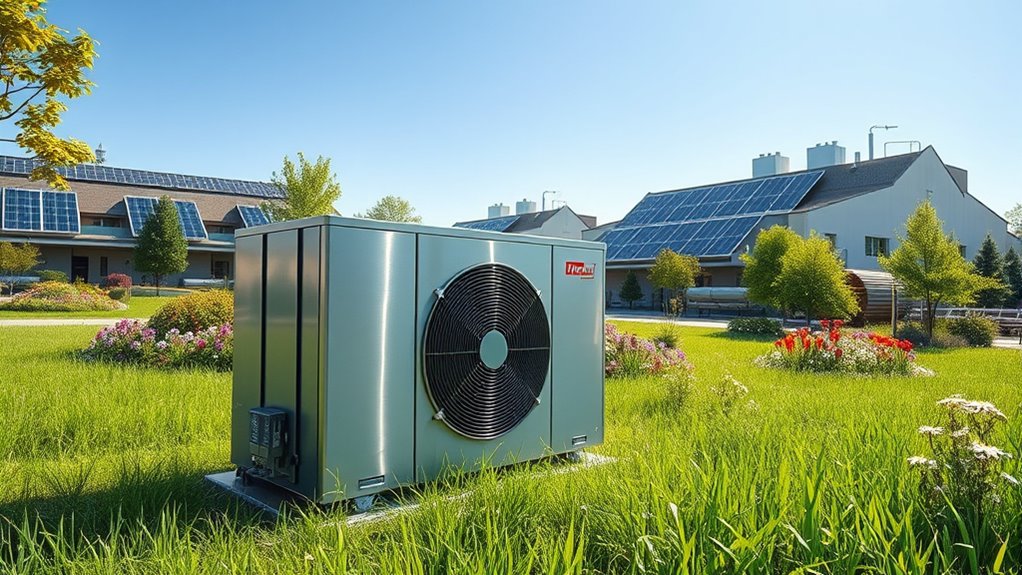
As cities seek sustainable ways to meet growing energy demands, heat pumps in district energy systems powered by renewables offer a promising solution. These systems can efficiently deliver heating and cooling across urban areas while reducing reliance on fossil fuels. One key advantage is their ability to integrate seamlessly with thermal storage, which allows you to store excess renewable energy generated during periods of high availability. This means that when sunlight or wind is abundant, your district can capture and store this energy for later use, ensuring a steady supply of clean energy regardless of weather conditions. Thermal storage acts as a buffer, smoothing out fluctuations in renewable generation and enhancing the overall stability of the system. This not only improves energy efficiency but also helps you manage peak loads more effectively, reducing strain on the grid.
Speaking of grid integration, heat pumps excel at working alongside existing energy infrastructure. They can be programmed to operate during times of surplus renewable energy, which optimizes grid stability and minimizes the need for fossil-fuel-based backup systems. When renewable generation is high, your district’s heat pumps can absorb excess power, preventing overloads and reducing the risk of grid instability. Conversely, during periods of low renewable output, the thermal storage system releases stored energy, ensuring continuous heating or cooling without overtaxing the grid. This dynamic interaction between heat pumps, thermal storage, and the grid makes your district more resilient and less dependent on traditional energy sources. It also offers the potential for cost savings, as operating during periods of high renewable availability can lower electricity prices and reduce operational costs.
Moreover, integrating heat pumps with thermal storage and the grid gives you greater control over your energy consumption. You can optimize operations based on real-time data, shifting energy use to times when renewable resources are plentiful. This flexibility allows for better demand management, which is essential as urban energy needs grow and renewable penetration increases. Additionally, utilizing energy storage technologies can further enhance system performance by providing additional capacity and reliability. The synergy between these elements helps you harness renewable energy more effectively, reducing greenhouse gas emissions and aligning with sustainability goals. As a result, your city can move toward a cleaner, more resilient energy future, all while maintaining reliable heating and cooling services for residents and businesses. In essence, by leveraging thermal storage and smart grid integration, heat pumps in district energy systems become a key tool in the transition to sustainable urban living.
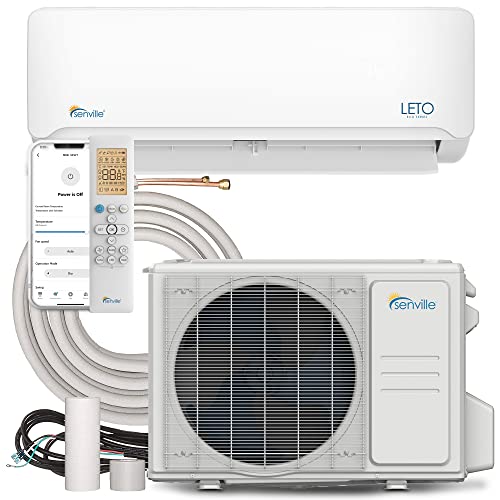
Senville LETO Series Mini Split Air Conditioner Heat Pump, 12000 BTU 110/120V, Inverter, Works with Alexa, SEER2 20.8, 1 Ton, White
Alexa Enabled Mini Split AC/Heating System: Integrate with voice control or app, allowing you to adjust your mini...
As an affiliate, we earn on qualifying purchases.
Frequently Asked Questions
What Are the Long-Term Cost Benefits of Using Heat Pumps?
Using heat pumps offers you significant long-term cost benefits through increased energy efficiency and substantial cost savings. They reduce your energy bills by efficiently transferring heat rather than generating it, which lowers operational costs over time. Plus, as renewable energy sources power district systems, your reliance on fossil fuels decreases, further boosting savings. Over the long run, these benefits help you cut costs while supporting sustainable, eco-friendly energy solutions.
How Do Heat Pumps Perform in Extremely Cold Climates?
Imagine a superhero battling the cold—that’s how heat pumps perform in extremely cold climates. They often maintain frost resilience, continuing to operate effectively even when temperatures drop below freezing. With efficiency optimization, modern heat pumps can extract heat from the cold air, ensuring reliable warmth. While performance dips slightly in extreme cold, advances in technology keep them a viable, eco-friendly option for heating in harsh environments.
What Are the Environmental Impacts of Large-Scale Heat Pump Deployment?
You might wonder about the environmental impacts of large-scale heat pump deployment. It can affect biodiversity through land use changes and habitat disruption, especially if extensive infrastructure is needed. However, when powered by renewables, heat pumps markedly reduce greenhouse gas emissions, benefiting the climate. Careful planning minimizes land use considerations and biodiversity impacts, making them a cleaner, sustainable option for heating and cooling at large scales.
How Do Heat Pumps Integrate With Existing District Energy Infrastructure?
You can integrate heat pumps with existing district heating systems by connecting them to the network’s hot water supply. This system integration allows heat pumps to efficiently provide thermal energy, reducing reliance on fossil fuels. You’ll need to adapt infrastructure, like thermal storage and control systems, to optimize performance and guarantee seamless operation within the district energy network, ultimately enhancing sustainability and energy efficiency.
What Are the Maintenance Requirements for Renewable-Powered Heat Pumps?
Your renewable-powered heat pump needs relentless attention, like a superhero guarding a city! You must regularly check for corrosion prevention to stop rust from ruining parts and manage refrigerant levels to keep it running smoothly. Clean filters, inspect electrical components, and guarantee proper refrigerant charge are essential. By staying vigilant, you’ll extend its lifespan and keep your district energy system operating efficiently, saving you from costly breakdowns.
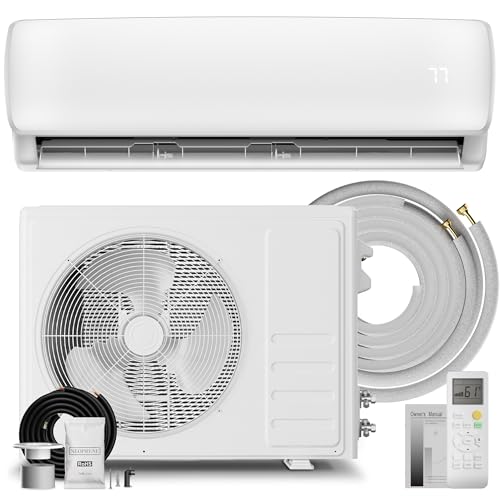
MEPTY 9000BTU Mini Split AC/Heating System, 19 SEER2 Energy Efficient Mini Split Air Conditioner with Heat Pump, 110V Cools Up to 450sq.ft, Ductless Inverter AC Unit with Pre-Charged Condenser
⭐Advanced Energy Saving: Advanced inverter technology with leading 19 SEER2 rating delivers superior performance through ensuring that the...
As an affiliate, we earn on qualifying purchases.
Conclusion
By integrating heat pumps into renewable-powered district energy systems, you can markedly reduce carbon emissions and increase energy efficiency. This approach not only supports sustainability goals but also offers economic benefits through lower operational costs. Isn’t it time you considered how these innovative solutions can transform your community’s energy landscape? Embracing heat pumps in district systems could be the key to a cleaner, more sustainable future for everyone.

DELLA Motto Series Mini Split AC, 208-230V 17.5 SEER2 Cools up to 550 Sq.Ft, 12000 BTU Air Conditioner & Heater with 1 Ton Pre-Charged Heat Pump, Works with Alexa and WiFi
QUIET OPERATION & INSTALLATION: This system mandates professional installation as it's not a DIY mini split AC. This...
As an affiliate, we earn on qualifying purchases.
![[Ultra] ECO-WORTHY 1200W 24V 5.52KWH Lithium Battery Solar System Off Grid:6pcs 195W Solar Panels+2Pcs 12.8V 280Ah Lithium Battery+60A MPPT Charge Controller+3000W Pure Sine Wave Inverter](https://m.media-amazon.com/images/I/511dZ9S3EPL._SL500_.jpg)
[Ultra] ECO-WORTHY 1200W 24V 5.52KWH Lithium Battery Solar System Off Grid:6pcs 195W Solar Panels+2Pcs 12.8V 280Ah Lithium Battery+60A MPPT Charge Controller+3000W Pure Sine Wave Inverter
[Power generation 5.52KWH ]: The ideal daily power output is 5.52WH (under 4 hours sunlight), suitable for Travel...
As an affiliate, we earn on qualifying purchases.