
Many electrified homes miss out by not fully integrating their solar, batteries, and grid management systems. You might have the equipment but overlook how smart technology and real-time data optimize energy use, save money, and provide independence. Neglecting advanced inverters or time-of-use rates can limit benefits. To truly maximize self-consumption and savings, you need a holistic approach that combines efficient storage, smart management, and grid integration—discover how to unleash your system’s full potential further inside.

Get backup power and energy gear delivered free with Prime
- Fast, free delivery on millions of items
- Prime Video, Amazon Music and more included
- Member-only deals all year
Key Takeaways
- Many homes overlook the importance of integrating smart grid technologies for optimal energy management.
- They often install solar and batteries without coordinating their use for maximum self-consumption.
- Limited use of real-time data and demand response reduces potential savings from dynamic energy pricing.
- Failing to leverage advanced inverters and energy management systems hampers system responsiveness.
- Ignoring grid integration misses opportunities to buy cheaper energy and sell excess power profitably.

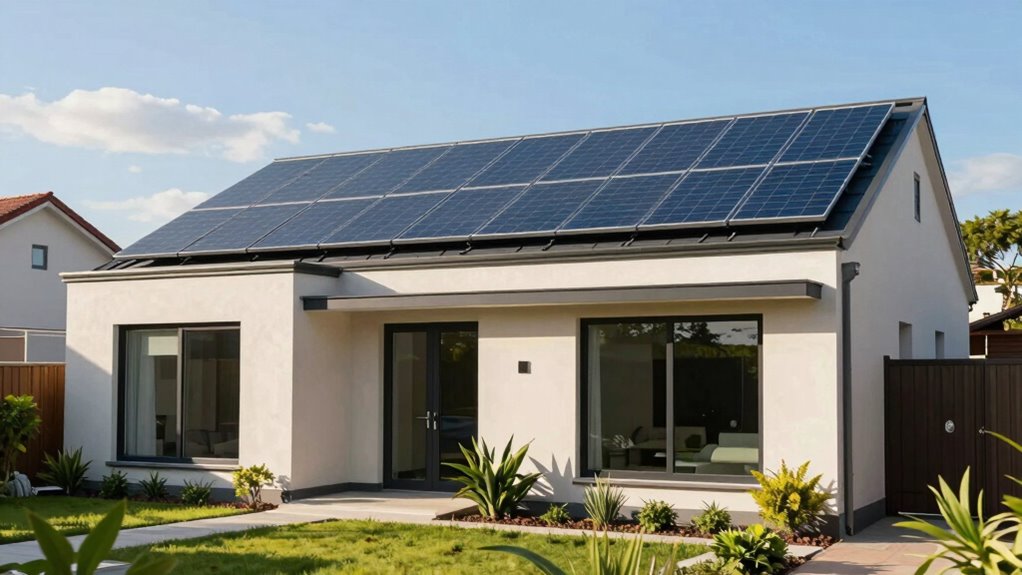
As more homes embrace electrification, developing an effective self-consumption strategy becomes essential to maximize energy efficiency and savings. Many homeowners focus on installing solar panels and hope to offset their energy bills, but they often overlook the critical role of battery storage and grid integration. Without these components working together, you’re missing out on the full potential of your investment and the ability to truly optimize your energy use.
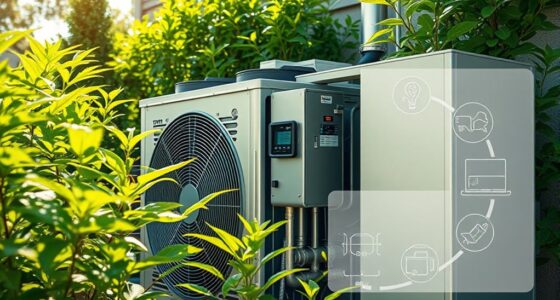
Battery storage is a game-changer. It allows you to store excess solar energy generated during the day for use at night or on cloudy days. Without a battery system, any surplus energy you produce simply goes back to the grid, which means you’re not fully benefiting from your solar panels. When you invest in quality battery storage, you gain control over your energy flow, reduce reliance on the grid during peak hours, and increase your self-sufficiency. This not only enhances your ability to save money but also provides a buffer during power outages, keeping your home powered when the grid fails. Additionally, improving system responsiveness through advanced inverters can help your home better adapt to changing energy demands and conditions.
Battery storage boosts self-sufficiency, cuts peak reliance, and provides backup during outages.
However, simply installing batteries isn’t enough. You need to focus on grid integration—making sure your home’s energy system communicates seamlessly with the local electrical grid. Proper grid integration allows your home to intelligently manage when to draw from the grid, when to use stored energy, and when to feed excess energy back into the grid. It’s about creating a smart energy ecosystem where your solar panels, batteries, and the grid work in harmony. This coordination enables you to take advantage of time-of-use rates, where electricity is cheaper during off-peak hours, and sell surplus energy when prices are high. Leveraging smart grid technology can further optimize this process and improve overall efficiency.
Many homeowners underestimate the importance of this integration. They might have solar panels and batteries but neglect to set up a system that optimizes their use based on real-time energy prices and demand patterns. Without it, you’re likely to miss out on potential savings and the opportunity to maximize your self-consumption. Technologies like smart meters, energy management systems, and advanced inverters facilitate this integration, allowing your home to respond dynamically to changing conditions. Incorporating advanced inverters can significantly improve your system’s responsiveness and efficiency.
In essence, the most overlooked self-consumption strategy is the combination of battery storage and grid integration. When you align these two elements, you create a more resilient, cost-effective, and energy-efficient home. It’s about moving beyond basic solar installation and adopting a holistic approach that leverages technology to make your home a true energy prosumer—producing, storing, and consuming energy in a way that benefits both your wallet and the environment. Additionally, understanding the impact of contrast ratio and color accuracy in your energy display interfaces can help you better monitor and optimize your system’s performance. Recognizing the importance of energy management systems can further enhance your ability to optimize energy consumption and savings.
As an affiliate, we earn on qualifying purchases.
Frequently Asked Questions
How Can I Start Implementing Self-Consumption at Home?
To start implementing self-consumption at home, first assess your energy needs and consider installing solar panels. Incorporate energy storage solutions like batteries to store excess power generated during the day. This way, you can reduce reliance on the grid and boost your grid independence. Monitor your energy usage regularly, optimize appliance operation, and explore smart home systems to maximize self-consumption and save on energy costs.
What Are the Common Challenges in Adopting Self-Consumption Strategies?
Think of adopting self-consumption like building a bridge; you need solid support. Common challenges include finding reliable storage solutions and ensuring smooth grid integration. Without proper storage, excess energy can go to waste. And if your system doesn’t connect seamlessly to the grid, you miss opportunities to save or earn. Overcoming these hurdles requires planning, investment, and understanding your home’s energy flow, turning your energy system into a well-constructed bridge.
Is Self-Consumption Cost-Effective for Small Households?
Yes, self-consumption can be cost-effective for small households, especially if you invest in energy storage systems. These allow you to store excess solar energy for later use, reducing your reliance on the grid and increasing grid independence. Over time, this can lower your energy bills and provide backup power during outages. While initial costs exist, the savings and increased energy autonomy often make it a worthwhile investment.
How Does Weather Impact Self-Consumption Efficiency?
Weather variability plays a vital role in your solar efficiency, like shifting clouds that dim sunlight’s glow. Sunny days boost your self-consumption, soaking up energy like a sponge, while cloudy or rainy weather dims the sunlight, reducing your system’s output. Wind, temperature, and seasonal changes alter solar efficiency, making your energy production unpredictable. Planning for these fluctuations helps you optimize your system and maximize your self-consumption, rain or shine.
What Incentives Are Available for Self-Consuming Homes?
You can take advantage of tariff incentives and government rebates to boost your self-consuming home’s efficiency. These financial incentives lower your upfront costs and encourage renewable energy use. Many regions offer specific rebates for solar panel installations and other sustainable upgrades. By leveraging these programs, you maximize savings and reduce your energy bills, making your home more self-sufficient and environmentally friendly. Always check local policies for the latest available incentives.
As an affiliate, we earn on qualifying purchases.
Conclusion
If you overlook the self-consumption strategy, your home becomes a ship lost at sea, drifting aimlessly without harnessing its own solar winds. Embracing this approach turns your house into a radiant sunbeam, capturing every photon and transforming it into power. Don’t let missed opportunities be the shadows that obscure your energy future. Instead, light the way with smart, electrified living—where every watt works for you, weaving a tapestry of sustainability and independence.
advanced inverter for solar panels
As an affiliate, we earn on qualifying purchases.
As an affiliate, we earn on qualifying purchases.
As an affiliate, we earn on qualifying purchases.
Halloween Picks
halloween
As an affiliate, we earn on qualifying purchases.