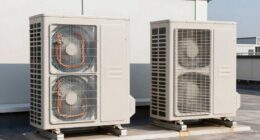
Understanding net metering policies helps you maximize your energy credits when installing a heat pump alongside solar panels. If your utility offers full retail rate credits for excess energy, running efficient heat pumps during sunny days can generate enough surplus to reduce your bills considerably. These credits, depending on your area’s rules, can roll over or expire, impacting your savings. To unleash the full potential of your system, knowing how these policies work is key—keep exploring to learn more.
Key Takeaways
- Net metering policies vary by utility, affecting how excess heat pump energy is credited and its impact on bills.
- Utilities may offer full retail rate credits or lower compensation for surplus energy generated by heat pumps.
- High-efficiency heat pumps produce more excess energy, increasing potential credits under net metering programs.
- Timing heat pump operation during daylight maximizes solar energy use and credits, optimizing savings.
- Understanding local net metering rules helps estimate energy credits, payback periods, and overall financial benefits.

If you’re considering installing a heat pump, understanding how net metering and energy credits work can help you maximize your savings. Net metering policies vary widely depending on your electric utility policies, so it’s essential to know how your provider handles excess energy production. When your heat pump operates efficiently, especially during sunny or windy days, it can generate more electricity than you consume. With favorable net metering policies, you can feed this surplus energy back into the grid, earning credits that offset your future electricity bills. This not only reduces your overall costs but also encourages the use of renewable energy sources, making your investment in a heat pump more beneficial.
Your electric utility may have specific rules about how credits are calculated and applied. Some utilities offer full retail rate credits, meaning you’re paid the same rate for excess energy as you pay for electricity. Others provide lower compensation, which can influence your decision on how large a system to install. It’s vital to understand these policies before installation to estimate your potential savings accurately. If your utility offers generous incentives, you might find that the payback period for your heat pump shortens noticeably, making the upgrade more attractive financially.
The efficiency of your heat pump plays a key role in how much energy you generate and consume. A high-efficiency heat pump produces more heat per unit of electricity, reducing your overall energy use and increasing the likelihood of generating surplus energy for net metering. When your heat pump operates at peak efficiency, especially in moderate weather, it consumes less power while delivering the same comfort levels. This means you’re less likely to draw substantial power from the grid during peak times, and when you do, your excess energy can be fed back, earning you credits. Over time, these credits can accumulate and help offset the costs of your system or reduce your electricity bills substantially. Additionally, staying informed about net metering policies can help you optimize your system’s performance and benefits.
To maximize these benefits, you should also consider the timing of your heat pump’s operation. Running it during daylight hours when your solar panels—if you have them—are active can boost your energy production and credits. Additionally, understanding how your utility handles energy credits—whether they roll over month to month or expire—can influence your usage patterns and installation size. Ultimately, aligning your heat pump’s operation with your utility’s policies and focusing on a high-efficiency model helps you leverage net metering to save money and promote cleaner energy use.

Westinghouse Natural Gas Tankless Water Heater Indoor Installation Max 7.9 GPM 180,000 BTU, WIFI Enable Temp Self Modulating Non Condensing High Efficiency for House or Commercial, APOLO Performance
【On-Demand Efficiency】 Westinghouse tankless water heater works only needed, saving energy and costs. Compact yet powerful for whole-home...
As an affiliate, we earn on qualifying purchases.
Frequently Asked Questions
Can Net Metering Credits Be Transferred Between Properties?
You can’t transfer net metering credits between properties directly. Credits earned at one location generally stay there unless your state allows an interstate transfer, which is rare. Be aware that credits often have a expiration date, so if you don’t use them within a certain period, they’ll expire. Always check your utility’s policies to understand transfer options and expiration rules, as these can vary by region.
Are There Specific Heat Pump Models Eligible for Energy Credits?
Yes, certain heat pump models are eligible for energy credits. You should look for specific models that meet the eligibility criteria set by the program, which typically include efficiency standards like ENERGY STAR certification. To guarantee you qualify, check the manufacturer’s specifications and confirm that the model is listed as eligible by the relevant authorities. This way, you maximize your chances of receiving the credits for your heat pump installation.
How Do Seasonal Changes Affect Net Metering Benefits?
Sure, seasonal variability can make your net metering benefits feel like a roller coaster ride. During summer, you might generate extra energy and earn credits, but in winter, those credits vanish faster than your patience in a snowstorm. Your billing cycle doesn’t wait for the seasons to change, so your savings could swing wildly. Stay vigilant, and remember: Mother Nature loves to keep things interesting!
What Are the Long-Term Financial Impacts of Heat Pump Incentives?
Investing in heat pump incentives can lead to significant long-term savings as you lower your energy bills over time. These incentives boost your initial investment returns by reducing upfront costs and improving system efficiency. Over the years, you’ll benefit from lower utility expenses, making the investment more worthwhile. Ultimately, this not only benefits your wallet but also supports sustainable energy use, ensuring you enjoy ongoing financial advantages.
Do These Programs Vary by State or Municipality?
Think of these programs as a patchwork quilt, each square shaped by state policies and local regulations. You’ll find that incentives and rules can vary widely from one place to another, like different melodies in a song. Some states roll out generous perks, while others have more modest offerings. So, if you’re considering a heat pump, you’ll want to check your specific state or municipality’s policies to understand what benefits might be waiting for you.
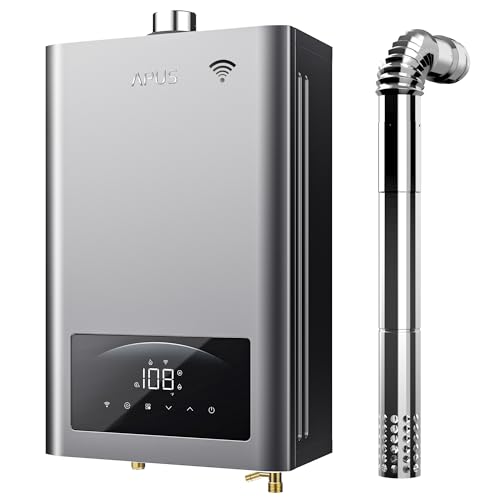
APUS Tankless Water Heater Propane, 140,000 BTU Indoor Installation Up to 6.8 GPM, Zero Cold Water Technology for Instant Hot Water on Demand, Smart Wi-Fi App Control
Instant Hot Water: This upgraded smart propane tankless water heater delivers consistent performance with its 140,000 BTU burner...
As an affiliate, we earn on qualifying purchases.
Conclusion
By understanding net metering and heat pump energy credits, you can truly make the most of your renewable energy investments. These programs are your golden ticket to cutting costs and boosting efficiency. Don’t let the opportunity slip through your fingers—seize the chance to save money and help the environment. When it comes to going green, it’s better to be safe than sorry, so explore your options today and reap the rewards tomorrow.

23000 BTU Mini Split AC & Heat Pump, 230v Energy Efficient Wall-Mounted Ductless Air Conditioner with WiFi Control, r32 Eco-Friendly Refrigerant, Cools/Heats Up to 1500 Sq.Ft, Quiet Operation
Powerful Cooling & Heating - This 23000 BTU mini split system delivers reliable cooling (63-90℉) and heating (32-80℉)...
As an affiliate, we earn on qualifying purchases.
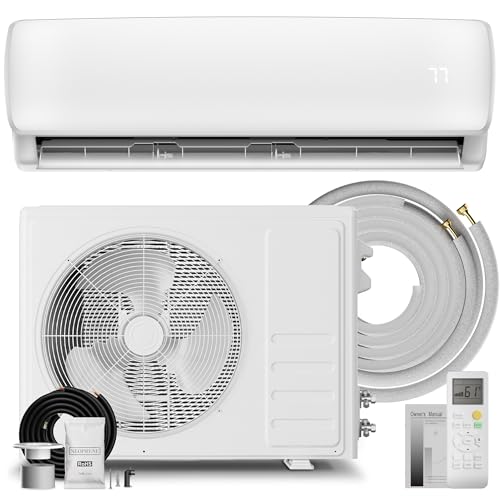
MEPTY 9000BTU Mini Split AC/Heating System, 19 SEER2 Energy Efficient Mini Split Air Conditioner with Heat Pump, 110V Cools Up to 450sq.ft, Ductless Inverter AC Unit with Pre-Charged Condenser
⭐Advanced Energy Saving: Advanced inverter technology with leading 19 SEER2 rating delivers superior performance through ensuring that the...
As an affiliate, we earn on qualifying purchases.