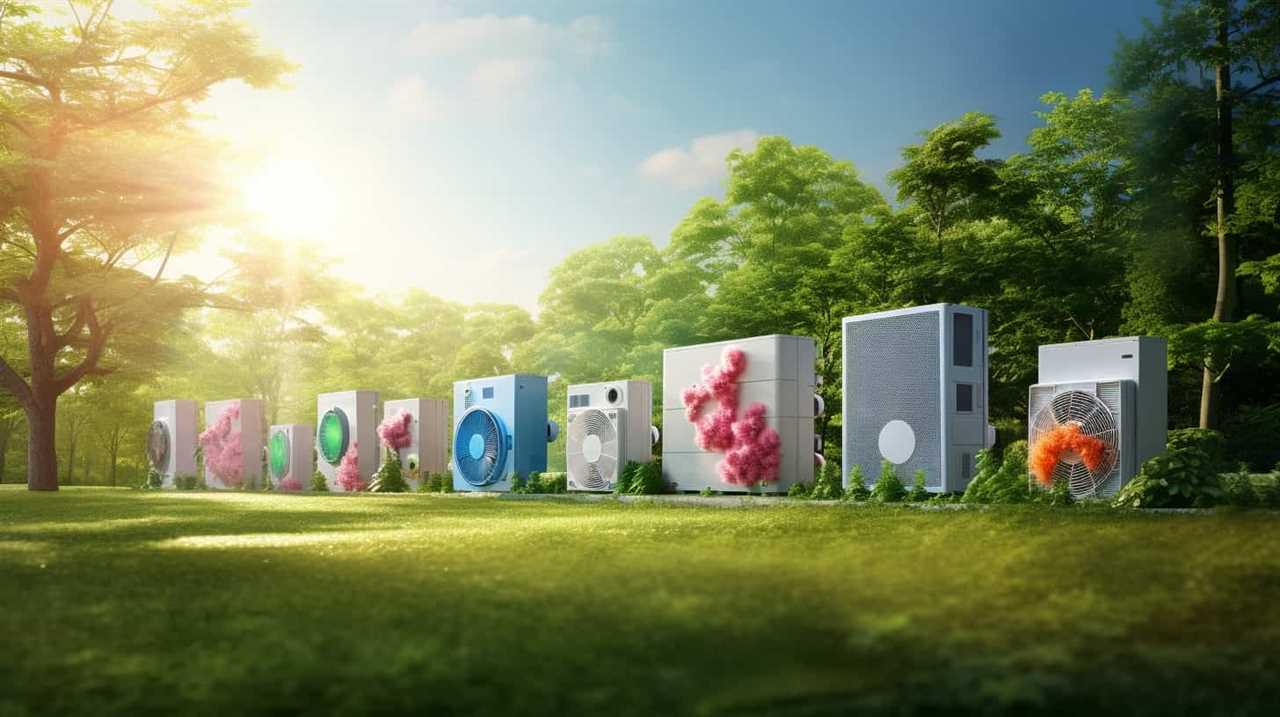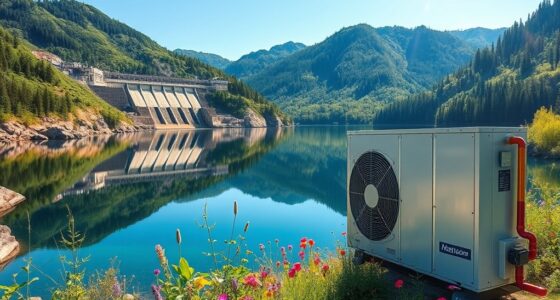
Renewable energy plays a essential role in making net-zero buildings with heat pumps sustainable and efficient. By integrating solar panels and energy storage, you can generate and store clean power to operate heat pumps, lighting, and other essential systems. This reduces your reliance on fossil fuels and lowers your carbon footprint. Smart management systems help optimize energy use, ensuring you make the most of renewable resources now and in the future—discover how all these elements work together for a greener building.
Key Takeaways
- Renewable energy sources like solar power are essential for achieving net-zero energy consumption in buildings.
- Solar panels generate clean electricity that reduces reliance on fossil fuels and supports building self-sufficiency.
- Energy storage systems store excess solar power, ensuring consistent operation of heat pumps and other systems during low sunlight.
- Integrating renewable energy with heat pumps lowers operational costs and reduces carbon emissions in building operations.
- Smart management and scalable systems optimize renewable energy use, enhancing efficiency and future-proofing net-zero buildings.
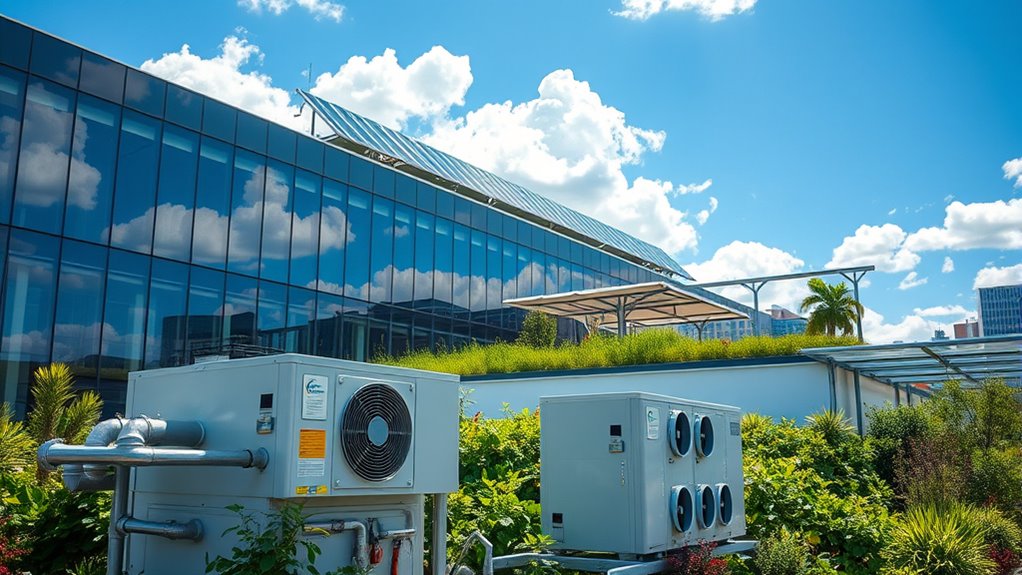
Renewable energy plays a crucial role in achieving net-zero buildings, which are designed to produce as much energy as they consume. To reach this goal, integrating renewable sources like solar energy is essential. Solar integration allows your building to harness sunlight directly, converting it into electricity through photovoltaic panels. By installing these panels on your roof or nearby property, you can generate clean power during daylight hours, reducing reliance on fossil fuels and lowering your carbon footprint. But solar energy alone isn’t enough. You need a robust system of energy storage to manage fluctuations in sunlight and guarantee a steady supply of power when the sun isn’t shining. Battery storage solutions let you store excess solar energy generated during sunny periods and draw from it when needed, maintaining a consistent energy flow.
When you combine solar integration with efficient energy storage, you create a self-sufficient energy system. This setup minimizes your building’s dependence on the grid, especially during peak energy demand or cloudy days. The stored energy can power heat pumps, lighting, and other essential systems, helping your building operate seamlessly around the clock. Heat pumps, which are highly efficient heating and cooling systems, benefit considerably from this renewable energy setup. They can draw power directly from your solar or stored energy, reducing operational costs and emissions. As a result, your building becomes more sustainable and cost-effective over time.
Implementing smart energy management systems can further enhance the efficiency of your renewable energy setup. These systems analyze your energy consumption patterns and adjust the operation of heat pumps and other appliances accordingly. By doing so, you maximize the use of renewable energy, minimize waste, and further reduce your carbon footprint. The key is to design your renewable energy setup with scalability in mind, so you can expand or improve it as technology advances or your energy needs change. Proper planning ensures your building stays on track to meet net-zero standards.

6-inch * 100 Foot Solar Panel Protective net, Black PVC Coated Rolled net, with 70 Sets of Fasteners, Anti cat/Squirrel/Bird Intrusion Solar Panel Internal Welding Protective net
6 inches x 100 feet, 1/2 inch hole spacing, 19 gauge wire diameter. This hardware deployment can encrypt…
As an affiliate, we earn on qualifying purchases.
As an affiliate, we earn on qualifying purchases.
Frequently Asked Questions
How Do Renewable Energy Sources Impact the Overall Cost of Net-Zero Buildings?
Renewable energy sources help reduce the overall cost of net-zero buildings by cutting long-term energy expenses and increasing efficiency. Although initial investment challenges exist, such as higher upfront costs and technology integration, these investments often lead to significant cost reduction over time. By focusing on renewable energy, you can lower operational costs, improve sustainability, and make your building more resilient against future energy price fluctuations.
What Are the Most Effective Renewable Energy Technologies for Heat Pump Integration?
You should prioritize solar integration and geothermal systems as the most effective renewable energy technologies for heat pump integration. Solar panels provide clean, abundant energy directly from the sun, reducing reliance on the grid. Geothermal systems tap into the earth’s stable temperature, enhancing heat pump efficiency. Combining these technologies ensures peak performance, lowers energy costs, and helps you achieve your net-zero goals more effectively.
How Does Seasonal Variability Affect Renewable Energy Performance in Net-Zero Buildings?
Seasonal variability impacts renewable energy performance in your net-zero building by causing fluctuations in solar variability and climate influence. During winter, shorter days and lower sun angles reduce solar energy, while colder temperatures increase heat pump demand. Conversely, summer offers more solar input and milder conditions, boosting efficiency. To maintain consistent performance, you should incorporate energy storage and adaptive systems that respond to these seasonal changes effectively.
What Policies Support Renewable Energy Adoption in Net-Zero Building Projects?
You might think policies don’t matter, but they do. Policy incentives and strong regulatory frameworks encourage renewable energy adoption in your net-zero building projects by reducing costs and streamlining approvals. Governments can offer tax credits, grants, or rebates, making sustainable choices more accessible. Clear regulations ensure compliance and foster innovation, helping you meet sustainability goals faster and more effectively. These policies turn your eco-friendly vision into reality.
How Can Renewable Energy Storage Solutions Improve Net-Zero Building Efficiency?
Renewable energy storage solutions boost net-zero building efficiency by enabling you to store excess energy generated from solar panels or wind turbines. With effective energy storage, you can utilize stored power during high demand or low generation periods, reducing reliance on the grid. Grid integration guarantees seamless flow of stored energy, optimizing overall energy use, lowering costs, and enhancing sustainability. This approach makes your building more resilient and environmentally friendly.

ECO-WORTHY (Cubix 100) 48V 100Ah LiFePO4 Lithium Battery w/Bluetooth | UL1973 & UL9540A & CEC Listed | 5120Wh Server Rack Battery for Solar Energy Storage, Home Backup Power
Upgraded to Cubix 100 (Feb 5, 2026) – The ECO-WORTHY 48V 100Ah Server Rack LiFePO₄ Battery V3 is…
As an affiliate, we earn on qualifying purchases.
As an affiliate, we earn on qualifying purchases.
Conclusion
By now, you see how renewable energy and heat pumps work together to make buildings truly net-zero. Isn’t it exciting to think that your choices could help reduce carbon footprints and protect the planet? Embracing these technologies isn’t just smart; it’s a step toward a sustainable future. So, why not take action today and turn your building into a shining example of clean, renewable energy? The future’s waiting—are you ready to make a difference?
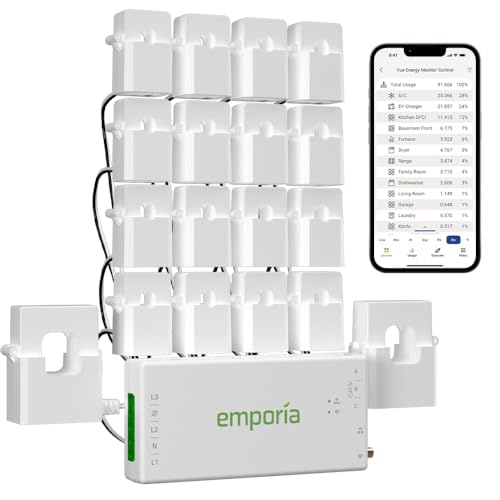
Emporia Vue 3 Home Energy Monitor – Smart Home Automation Module and Real Time Electricity Usage Monitor, Power Consumption Meter, Solar and Net Metering for UL Certified Safe Energy Monitoring
SAFETY YOU CAN TRUST WITH UL CERTIFICATION: With Emporia Energy, your home energy monitoring is safe, reliable, and…
As an affiliate, we earn on qualifying purchases.
As an affiliate, we earn on qualifying purchases.

Fundamentals of Geothermal Heat Pump Systems: Design and Application
As an affiliate, we earn on qualifying purchases.
As an affiliate, we earn on qualifying purchases.