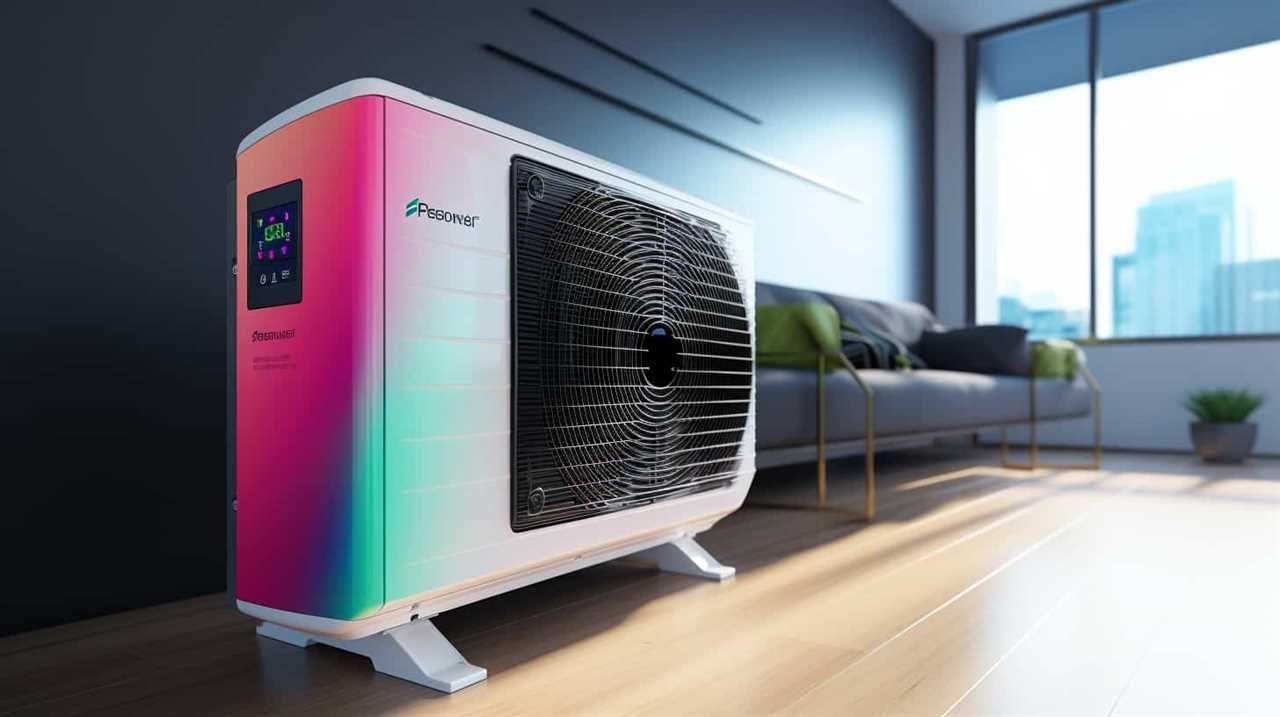
By combining thermal storage solutions with renewable heat pump systems, you can capture excess heat or cold for later use, improving energy efficiency and sustainability. These systems store thermal energy during periods of high renewable output, then release it when renewable sources are low. Choosing the right phase change materials and ensuring proper design can optimize performance and longevity. Continuing to explore this topic will reveal how integrating these technologies boosts system efficiency and reduces your carbon footprint.
Key Takeaways
- Thermal storage captures excess heat from renewable heat pumps for later use, increasing system efficiency.
- Phase change materials provide high energy density storage, optimizing heat retention and release in renewable systems.
- Proper material selection and encapsulation ensure long-term stability and safety of thermal storage solutions.
- Integrating thermal storage with heat pumps extends operational flexibility during low renewable energy periods.
- Combining these technologies reduces grid dependence and lowers carbon emissions in sustainable heating systems.
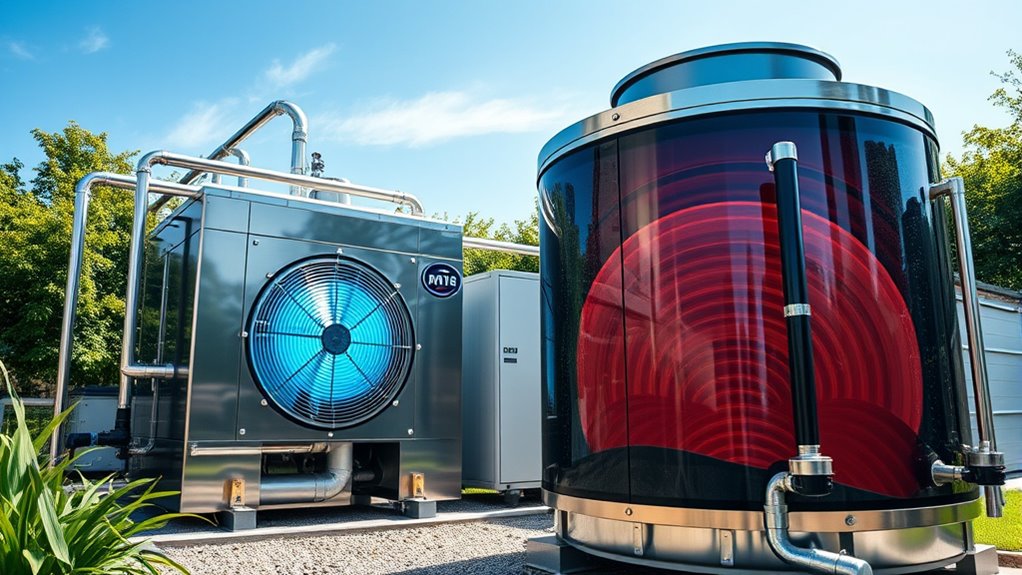
Thermal storage solutions play a vital role in optimizing energy use by capturing excess heat or cold for later use. When paired with renewable heat pump systems, they create a more efficient and sustainable energy cycle. One of the key factors in designing effective thermal storage is understanding phase change and the importance of material selection. Phase change refers to the process where a material absorbs or releases a significant amount of energy as it transitions between states, such as from solid to liquid or liquid to gas. This property allows for high energy density storage, making phase change materials (PCMs) especially suitable for thermal storage applications.
Thermal storage with phase change materials enhances energy efficiency and sustainability in renewable systems.
Choosing the right material is critical because it determines the system’s performance, longevity, and safety. You need to consider the PCM’s melting point to match the desired temperature range for your application. For instance, if you’re storing heat for space heating, you’ll want a material that melts at a temperature compatible with your heating system’s requirements. The selection process also involves evaluating the material’s thermal conductivity, which affects how quickly it can absorb or release heat. Higher conductivity means faster charge and discharge cycles, improving system efficiency.
Beyond thermal properties, you should also think about material stability over many cycles. The PCM should maintain its phase change characteristics without degradation, ensuring long-term reliability. Additionally, the material should be environmentally friendly and safe to handle, especially if you plan to install the system in a residential setting. Safety considerations include non-toxicity, non-flammability, and minimal environmental impact. You might also explore encapsulation techniques to contain the PCM, preventing leakage and protecting the material from external factors that could compromise its performance.
Integrating phase change materials into your thermal storage system requires careful design to maximize energy transfer. Proper container design facilitates effective heat exchange, while insulation minimizes heat loss. When used with renewable heat pumps, this setup allows stored thermal energy to be utilized during periods of low renewable energy availability, such as cloudy days or at night. This synergy extends the operational flexibility of your renewable system, reducing dependence on grid electricity and lowering your carbon footprint. Understanding phase change processes and their role in energy storage can significantly enhance system efficiency and sustainability.

Thermal Energy Storage : Phase Change Materials
As an affiliate, we earn on qualifying purchases.
As an affiliate, we earn on qualifying purchases.
Frequently Asked Questions
How Do Thermal Storage Systems Impact Overall System Efficiency?
Thermal storage systems boost your overall system efficiency by storing excess thermal energy during periods of low demand. This stored energy can be used later, reducing the need for continuous operation of your heat pump. With effective system integration, thermal energy is managed more efficiently, minimizing energy waste and optimizing performance. As a result, you save on energy costs while maintaining reliable heating, making your system more sustainable and cost-effective.
What Are the Maintenance Requirements for Combined Storage and Heat Pump Systems?
You need to follow a regular maintenance schedule for combined storage and heat pump systems, including inspecting and cleaning components like filters and heat exchangers. System monitoring is essential to detect issues early, ensuring peak performance. Check refrigerant levels, verify electrical connections, and test controls periodically. Keeping detailed records helps track performance trends, prevent breakdowns, and extend your system’s lifespan. Consistent maintenance keeps everything running smoothly and efficiently.
Can Thermal Storage Solutions Be Integrated With Existing Renewable Technologies?
Yes, you can integrate thermal storage solutions with existing renewable technologies. Imagine a system where thermal dynamics optimize heat transfer, allowing your current solar or wind setups to store excess energy efficiently. This integration enhances storage scalability, enabling your system to adapt as your energy needs grow. By combining these elements, you maximize renewable energy use, reduce costs, and improve overall system reliability, making your renewable setup more flexible and sustainable.
What Is the Typical Lifespan of Thermal Storage Components?
You can expect thermal storage components to last around 10 to 20 years, depending on factors like material degradation and capacity limitations. Over time, materials may deteriorate, reducing efficiency, and capacity limitations could affect storage performance. Proper maintenance helps extend lifespan, but eventually, replacement is necessary. Monitoring system performance regularly ensures you catch issues early, maximizing your investment in renewable energy solutions.
How Do Storage Solutions Affect the Initial Installation Costs?
Think of thermal storage solutions as the silent guardian of your energy system—they can raise initial costs but save money long-term. You’ll face higher upfront expenses due to additional equipment and installation, and space requirements might increase. However, these investments often pay off through improved efficiency and energy savings. So, while cost considerations are key, weigh them against the benefits of enhanced performance and reduced operational costs over time.

Fundamentals of Geothermal Heat Pump Systems: Design and Application
As an affiliate, we earn on qualifying purchases.
As an affiliate, we earn on qualifying purchases.
Conclusion
By combining thermal storage with renewable heat pump systems, you can boost efficiency and reduce energy costs. Did you know that thermal storage can cut heating energy consumption by up to 50%? This synergy not only saves you money but also helps cut carbon emissions. Embracing these solutions means you’ll enjoy reliable, sustainable heat while contributing to a greener future. It’s a smart choice for both your wallet and the planet.

Thermal Energy Storage Technology of Composite Phase Change Materials: Composite Phase Change Materials Preparation and Application in Heating System of Cold Region
As an affiliate, we earn on qualifying purchases.
As an affiliate, we earn on qualifying purchases.

Application of Phase Change Materials in Energy Storage and Conversion Systems
As an affiliate, we earn on qualifying purchases.
As an affiliate, we earn on qualifying purchases.