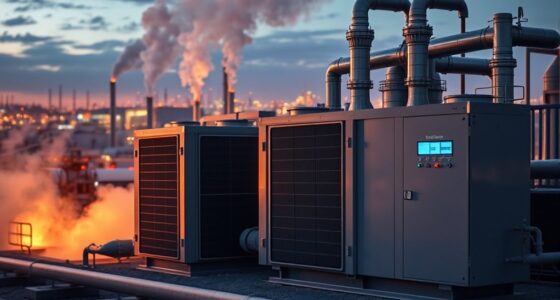
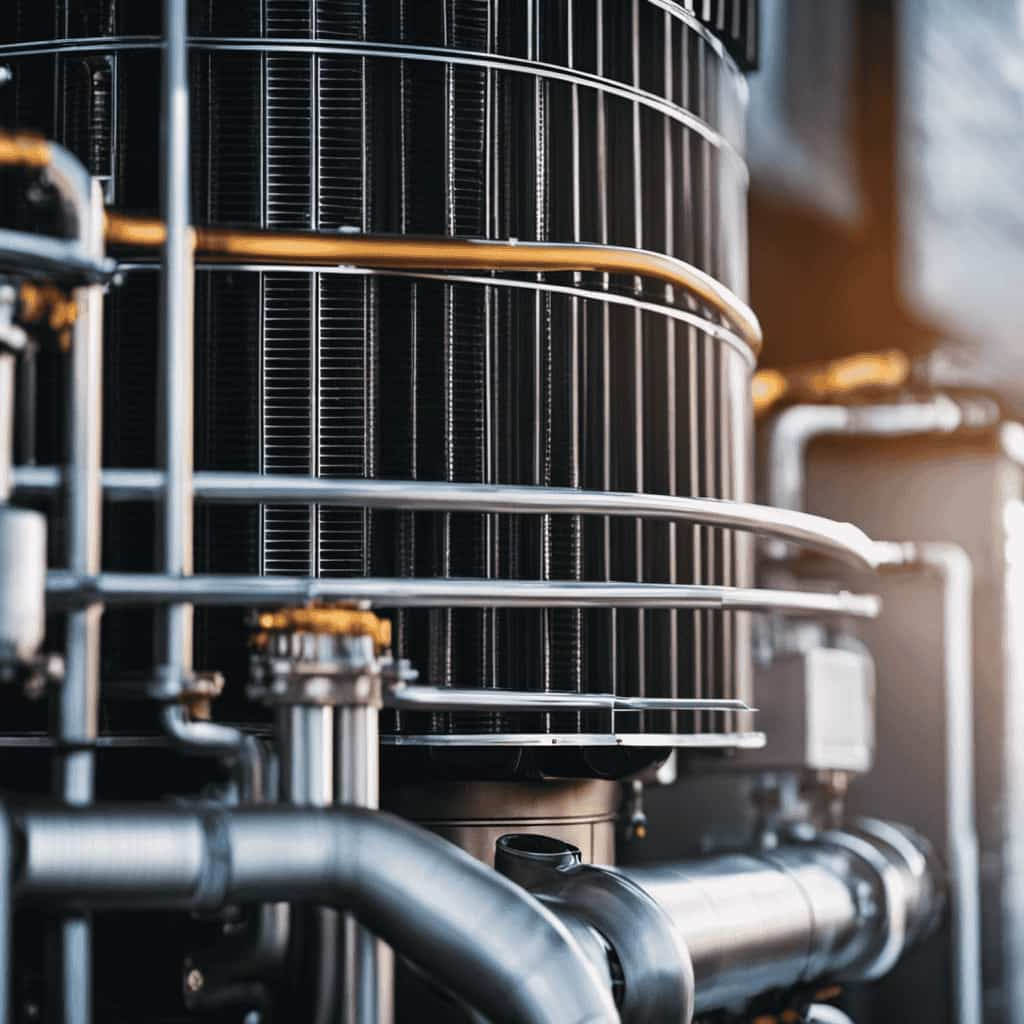
Ladies and gentlemen, come join us as we delve into the remarkable influence of heat pump technology in the realm of sustainable energy.
With its efficient and sustainable approach, heat pump technology has revolutionized the way we harness renewable energy.
Join us as we explore the history, advantages, types, and environmental impact of these systems.
Through captivating case studies and a glimpse into the future, we will uncover the immense potential and innovative solutions that await us in this exciting field.
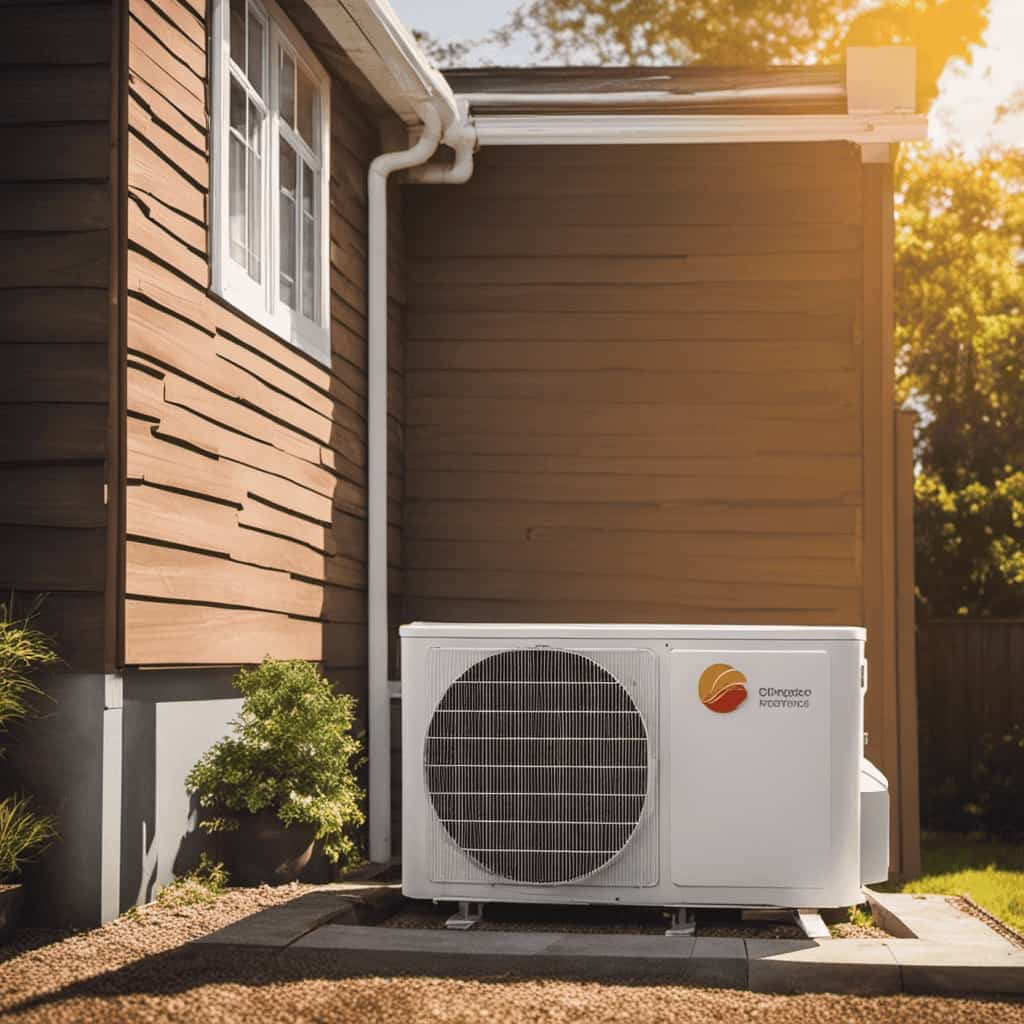
Key Takeaways
- Heat pumps have a long history and significant advancements, making them a crucial technology in the transition to green energy.
- Heat pumps offer cost-effectiveness, energy efficiency, and versatility, making them a promising solution for a more sustainable future.
- Geothermal and air source heat pumps are two types of heat pumps used in renewable energy systems, reducing energy consumption and promoting a greener future.
- Heat pump technology has a positive environmental impact by reducing energy consumption, improving air quality, and preserving natural resources.

Westinghouse Natural Gas Tankless Water Heater Indoor Installation Max 7.9 GPM 180,000 BTU, WIFI Enable Temp Self Modulating Non Condensing High Efficiency for House or Commercial, APOLO Performance
【On-Demand Efficiency】 Westinghouse tankless water heater works only needed, saving energy and costs. Compact yet powerful for whole-home...
As an affiliate, we earn on qualifying purchases.
History of Heat Pump Technology in Renewable Energy
We’ve come a long way in the history of heat pump technology in renewable energy. Heat pumps, which transfer heat from one location to another, have been used for centuries. However, it’s in recent years that significant advancements have been made in their applications and efficiency improvements.
One key application of heat pump technology is in heating and cooling systems for buildings. By extracting heat from the outside air or ground and transferring it indoors, heat pumps provide efficient and sustainable heating and cooling solutions. This reduces reliance on fossil fuel-based systems and helps decrease carbon emissions.
Efficiency improvements have also played a crucial role in the development of heat pump technology. Modern heat pumps are designed with advanced features such as variable speed compressors and smart controls, enhancing their performance and energy efficiency. This results in lower energy consumption and reduced utility costs for users.
As the demand for renewable energy solutions continues to grow, the history of heat pump technology serves as inspiration for further innovation. By continuously improving applications and efficiency, heat pumps have the potential to play a significant role in transitioning to a greener and more sustainable future.

APUS Tankless Water Heater Propane, 140,000 BTU Indoor Installation Up to 6.8 GPM, Zero Cold Water Technology for Instant Hot Water on Demand, Smart Wi-Fi App Control
Instant Hot Water: This upgraded smart propane tankless water heater delivers consistent performance with its 140,000 BTU burner...
As an affiliate, we earn on qualifying purchases.
Advantages of Heat Pump Technology in Green Energy
The advantages of heat pump technology in green energy are numerous, making it an attractive option for sustainable heating and cooling solutions. Here are some key advantages:
-
Cost effectiveness: Heat pumps can provide significant energy savings compared to traditional heating and cooling systems. They’re highly efficient in converting energy from the air or ground into heat or cool air, resulting in lower utility bills.
-
Energy efficiency: Heat pumps are known for their high energy efficiency, as they transfer heat rather than generate it. By harnessing the natural heat from the environment, they require less energy to operate, reducing greenhouse gas emissions and promoting a cleaner environment.
-
Versatility: Heat pumps can be used for both heating and cooling purposes, making them a versatile solution for year-round comfort. They can also be integrated with other renewable energy sources, such as solar panels, to further enhance their efficiency and sustainability.
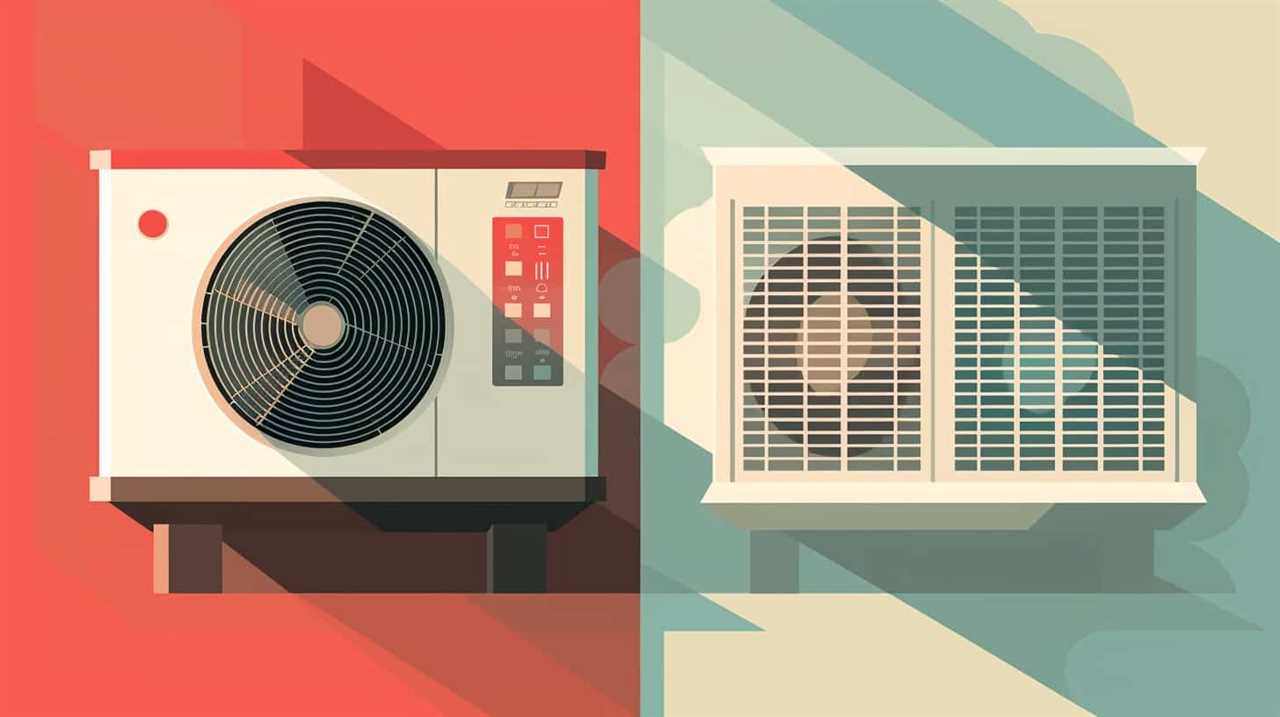
With their cost effectiveness, energy efficiency, and versatility, heat pump technology offers a promising solution for green energy and a more sustainable future.

23000 BTU Mini Split AC & Heat Pump, 230v Energy Efficient Wall-Mounted Ductless Air Conditioner with WiFi Control, r32 Eco-Friendly Refrigerant, Cools/Heats Up to 1500 Sq.Ft, Quiet Operation
Powerful Cooling & Heating - This 23000 BTU mini split system delivers reliable cooling (63-90℉) and heating (32-80℉)...
As an affiliate, we earn on qualifying purchases.
Types of Heat Pumps Used in Renewable Energy Systems
What are the different types of heat pumps used in renewable energy systems?
Two popular types are geothermal heat pumps and air source heat pumps.
Geothermal heat pumps utilize the constant temperature of the earth to provide heating and cooling for buildings. They extract heat from the ground during winter and transfer it indoors, and during summer they remove heat from indoors and transfer it back into the ground. This technology is highly efficient and can significantly reduce energy consumption.

On the other hand, air source heat pumps extract heat from the outdoor air and transfer it inside during winter, and vice versa during summer. They’re easier to install and more affordable compared to geothermal heat pumps.
Both types of heat pumps offer innovative solutions for renewable energy systems, helping to reduce carbon emissions and promote a greener future.
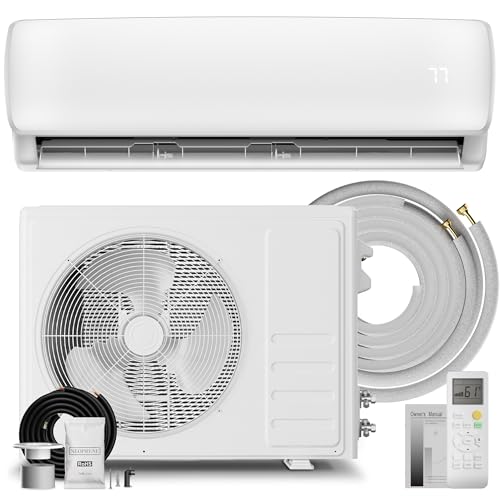
MEPTY 9000BTU Mini Split AC/Heating System, 19 SEER2 Energy Efficient Mini Split Air Conditioner with Heat Pump, 110V Cools Up to 450sq.ft, Ductless Inverter AC Unit with Pre-Charged Condenser
⭐Advanced Energy Saving: Advanced inverter technology with leading 19 SEER2 rating delivers superior performance through ensuring that the...
As an affiliate, we earn on qualifying purchases.
Environmental Impact of Heat Pump Technology in Green Energy
How do heat pumps impact the environment in green energy systems?
Heat pumps play a crucial role in reducing the environmental impact of energy consumption. Here are three ways in which heat pump technology contributes to a greener future:

-
Energy Efficiency: Heat pumps are highly efficient in converting energy from a renewable source, such as the air or ground, into heat or cool air for buildings. This efficiency reduces the overall energy consumption, resulting in lower greenhouse gas emissions.
-
Environmental Benefits: By utilizing renewable energy sources, heat pumps significantly reduce reliance on fossil fuels, thus reducing air pollution and carbon emissions. This helps mitigate climate change and improve air quality.
-
Reduced Resource Depletion: Heat pumps minimize the need for extracting and burning traditional energy sources, preserving precious natural resources for future generations.
Case Studies: Successful Implementation of Heat Pumps in Renewable Energy Projects
We have identified several case studies that demonstrate the successful implementation of heat pumps in renewable energy projects. These case studies highlight the economic viability of heat pump technology and provide insights into the integration challenges that were overcome.
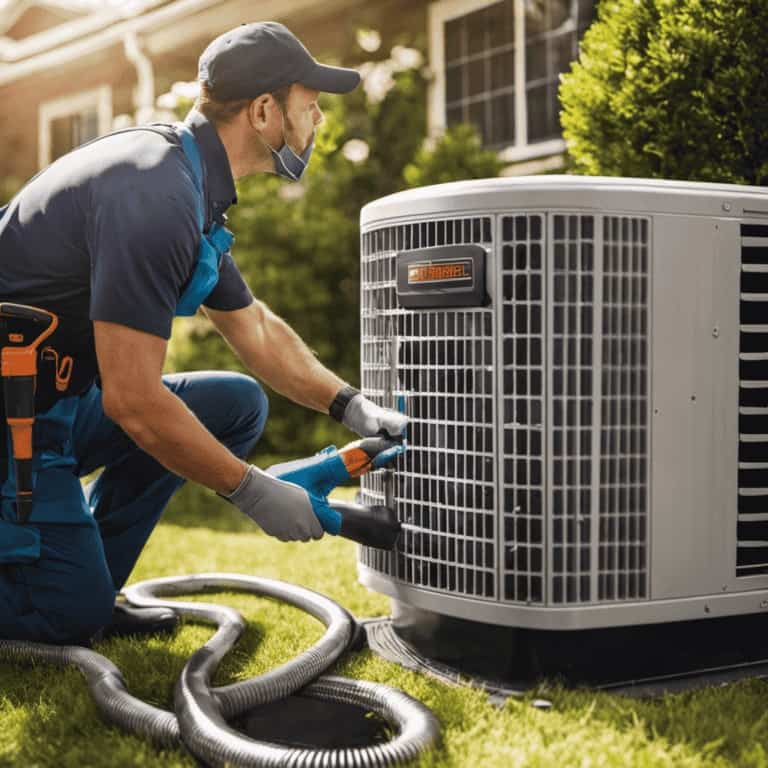
One such case study is the installation of heat pumps in a residential complex in a cold climate region. By utilizing heat pumps, the complex was able to significantly reduce its reliance on traditional heating systems, resulting in substantial energy cost savings for residents. The project demonstrated the economic viability of heat pumps in a real-world setting, showcasing their potential to be a cost-effective and sustainable alternative to conventional heating methods.
Another case study involves the integration of heat pumps in a large-scale industrial facility. The project faced challenges in integrating the heat pumps with existing infrastructure and optimizing their performance. However, through careful planning and collaboration with experts, the facility was able to successfully implement the heat pumps, resulting in reduced energy consumption and lower carbon emissions.
These case studies highlight the potential of heat pumps in renewable energy projects, showcasing their economic viability and the solutions to integration challenges. By learning from these successful implementations, we can further promote the adoption of heat pump technology in green energy initiatives.
Future Prospects and Innovations in Heat Pump Technology for Green Energy
As we look ahead, advancements in heat pump technology and the exploration of innovative solutions will play a crucial role in achieving sustainable and efficient green energy systems. The future prospects and innovations in heat pump technology hold great promise for further enhancing the integration of heat pumps into renewable energy projects.

Here are some key areas of development to look out for:
-
Smart grid integration: Heat pumps can be integrated into smart grid systems, allowing for better management of energy consumption and optimizing the use of renewable energy sources. This integration will enable heat pumps to operate at times of high renewable energy availability, reducing the reliance on fossil fuels.
-
Energy efficiency improvements: Ongoing research and development efforts are focused on improving the energy efficiency of heat pumps. This includes advancements in compressor technology, heat exchangers, and control systems, which can significantly enhance the overall performance and reduce energy consumption.
-
Innovative refrigerants: The development of environmentally friendly and low-global warming potential refrigerants is a key area of innovation. By using alternative refrigerants with lower environmental impact, heat pumps can further contribute to reducing greenhouse gas emissions.

These advancements and innovations in heat pump technology will pave the way for a greener and more sustainable future, where heat pumps play a significant role in achieving energy efficiency and reducing carbon footprints.
Frequently Asked Questions
How Does Heat Pump Technology Compare to Other Renewable Energy Sources, Such as Solar or Wind Power?
Heat pump technology, compared to other renewable energy sources like solar or wind power, offers unique advantages. It’s cost-effective in the long run, with a potential for geothermal energy integration, making it a promising solution for green energy innovation.
Are There Any Limitations or Drawbacks to Using Heat Pump Technology in Green Energy Systems?
There are limitations and drawbacks to using heat pump technology in green energy systems. However, with advancements in technology and ongoing research, we can overcome these challenges and continue to innovate in the field.
Can Heat Pump Technology Be Used in Both Residential and Commercial Settings?
Yes, heat pump technology can be used in both residential and commercial settings. It offers cost-effective solutions for heating and cooling in different applications. Its versatility makes it an innovative choice for those seeking sustainable energy solutions.

What Are the Main Factors That Contribute to the Efficiency of Heat Pump Systems?
Factors that contribute to the efficiency of heat pump systems include proper sizing, insulation, and regular maintenance. By optimizing these factors, we can maximize the energy-saving potential of heat pumps and contribute to a greener future.
Are There Any Government Incentives or Programs Available to Promote the Adoption of Heat Pump Technology in Green Energy Projects?
Yes, there are government incentives and programs available to promote the adoption of heat pump technology in green energy projects. These initiatives aim to encourage sustainable practices and support the transition to cleaner energy sources.
Conclusion
In conclusion, heat pump technology plays a crucial role in green energy by utilizing renewable sources to provide efficient heating and cooling solutions.
One interesting statistic to highlight is that heat pumps can reduce carbon dioxide emissions by up to 50% compared to traditional heating systems.

With ongoing advancements and innovations, the future of heat pump technology looks promising in contributing to a more sustainable and environmentally-friendly energy landscape.