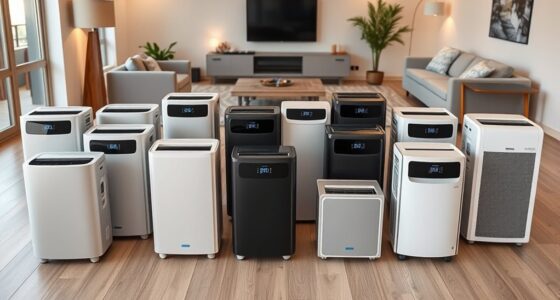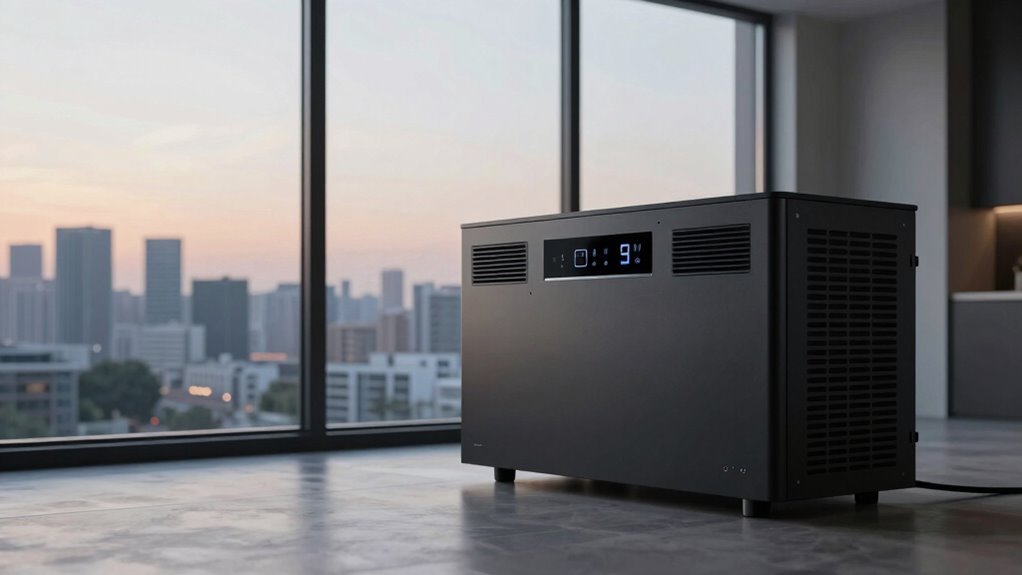
When selecting an ERV for continuous ventilation, the goal is to balance energy efficiency, effective air exchange, and ease of installation. The Aprilaire V22BEC stands out as the best overall choice, offering high capacity and reliable performance for large homes. The Panasonic FV-12ESC1 Intelli-Balance Plus is a premium option with advanced controls, while the VENTS-US Frigate ERV 120s provides solid value for budget-conscious buyers. The main tradeoffs involve balancing upfront cost, energy savings, and installation complexity. Keep reading for a detailed breakdown of each option and what to consider when choosing an ERV for continuous ventilation.

Get backup power and energy gear delivered free — and shop member deals
- Fast, free delivery on millions of items
- Access to Prime Big Deal Days deals on October 6–7
- Prime Video, Amazon Music and more included
Key Takeaways
- The Aprilaire V22BEC excels in large-home performance with high airflow capacity, making it ideal for bigger spaces.
- Premium models like the Panasonic FV-12ESC1 offer advanced controls and higher efficiency but come with a higher price tag.
- Ductless options such as the VENTS-US TwinFresh RB1-50-2 provide flexibility for retrofit installations but have lower airflow capacity.
- Energy efficiency and ease of maintenance vary significantly; higher-end units often feature better filters and smarter controls.
- Budget-friendly options still deliver reliable performance but may lack some of the advanced features of premium models.
| Aprilaire V22BEC Energy Recovery Ventilator (ERV), 120 CFM for Homes up to 6,000 sq. ft. |  | Best Overall for Whole-House Ventilation Balance | Airflow: 120 CFM | Suitable for: Homes up to 6,000 sq. ft. | Mounting options: Wall, ceiling, or floor | VIEW ON AMAZON | See Our Full Breakdown |
| VENTS-US Frigate ERV 120s Energy Recovery Ventilator |  | Best for Cold Climate Efficiency and Continuous Air Quality | Power Connector Type: 3-Pin | Voltage: 120 volts | Wattage: 94 watts | VIEW ON AMAZON | See Our Full Breakdown |
| Panasonic WhisperComfort 60 ERV Ventilation Fan | 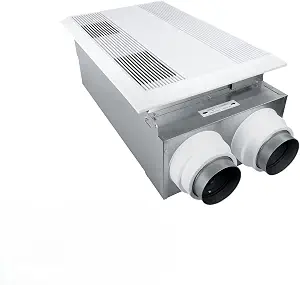 | Best for Quiet, Low-CFM Ventilation with Customization | Airflow: 20-50 CFM (low), up to 60 CFM (boost) | Mounting: Ceiling or wall | Certification: HVI | VIEW ON AMAZON | See Our Full Breakdown |
| Broan B210E75RS AI 206 CFM Wall or Ceiling Mounted Energy Recovery Ventilator |  | Best for High-Capacity Whole-House Ventilation | CFM: 206 | Mounting: Wall or Ceiling | Type: Energy Recovery Ventilator | VIEW ON AMAZON | See Our Full Breakdown |
| Panasonic FV-11ES1 Intelli-Balance Elite ERV, 110 CFM |  | Best for Intelligent, Quiet, High-Performance Ventilation | CFM: 110 | Motor Type: ECM | Filter Type: MERV 13 | VIEW ON AMAZON | See Our Full Breakdown |
| VENTS-US TwinFresh Comfo RB1-50-2 Ductless Energy Recovery Ventilator – 30 CFM with Remote Control |  | Best for Small, Ductless Spaces | CFM: 30 | Coverage Area: 500 sq ft | Power Consumption: 4.5 watts | VIEW ON AMAZON | See Our Full Breakdown |
| Panasonic FV-12ESC1 Intelli-Balance Elite Plus ERV, 120 CFM | | Best for Whole-House or Larger Spaces | Airflow: 30–120 CFM | Motors: Dual brushless ECM | Filters: Dual MERV 13, washable MERV 6 optional | VIEW ON AMAZON | See Our Full Breakdown |
More Details on Our Top Picks
Aprilaire V22BEC Energy Recovery Ventilator (ERV), 120 CFM for Homes up to 6,000 sq. ft.
This ERV stands out for its balanced approach to ventilation, making it ideal for larger homes up to 6,000 sq. ft. where maintaining indoor comfort efficiently matters. Compared with the Panasonic FV-11ES1, which offers more advanced airflow adjustment, the Aprilaire V22BEC emphasizes ease of use with simple push-button controls and straightforward installation. While it provides excellent air exchange and energy efficiency, its reliance on compatible thermostats and potential need for professional installation create some hurdles for DIYers. If you prioritize reliable, whole-house ventilation with minimal fuss, this model offers a solid balance of features and usability.
Pros:- Balanced, energy-efficient ventilation suitable for large homes
- Versatile mounting options including wall, ceiling, or floor
- Simple push-button controls for ease of operation
- Improves indoor air quality consistently
Cons:- Installation may require professional expertise
- Limited to homes up to 6,000 sq. ft.
- Requires compatible thermostats for smart features
Best for: Homeowners seeking a straightforward, energy-efficient whole-house ERV with easy controls
Not ideal for: Small apartments or DIY enthusiasts who prefer plug-and-play units without professional setup
- Airflow:120 CFM
- Suitable for:Homes up to 6,000 sq. ft.
- Mounting options:Wall, ceiling, or floor
- Controls:Push-button for airflow, supply, and exhaust
- Compatibility:Compatible with select AprilAire thermostats
Our verdict“This ERV is best suited for homeowners wanting reliable, whole-home ventilation without complex setup.”
VENTS-US Frigate ERV 120s Energy Recovery Ventilator
Compared to the Aprilaire V22BEC, the VENTS-US Frigate ERV 120s offers a higher maximum airflow of 162 CFM, making it better suited for larger or more air-demanding homes. Its freeze protection feature makes it an excellent choice for colder climates where outdoor conditions challenge continuous ventilation. The washable filters and humidity recovery enhance maintenance and overall indoor climate control, but the 94-watt power draw might be a concern for energy-conscious users. Its somewhat technical installation process, especially ceiling mounting, could be a barrier for DIY installation. For those needing robust cold-weather performance paired with high airflow, this model excels.
Pros:- High airflow capacity up to 162 CFM for large spaces
- Effective freeze protection suitable for cold climates
- Washable MERV 6 filters for low-maintenance operation
- Includes humidity recovery features
Cons:- Installation complexity may require professional help
- Power consumption of 94 watts could increase energy bills
- Limited noise level information available
Best for: Homeowners in cold climates requiring high airflow and freeze protection
Not ideal for: Small, thermally well-insulated apartments where high power consumption isn’t justified
- Power Connector Type:3-Pin
- Voltage:120 volts
- Wattage:94 watts
- Air Flow Capacity:162 CFM
- Filtration:Washable MERV 6 filters
- Features:Freeze protection, dual air filtration, humidity recovery
Our verdict“This ERV is ideal for cold-region homes needing high airflow and reliable freeze protection, even with a more involved setup.”
Panasonic WhisperComfort 60 ERV Ventilation Fan
Compared with higher-capacity units like the Broan B210E75RS, the Panasonic WhisperComfort 60 ERV is best for smaller spaces or rooms needing modest airflow. Its adjustable airflow—ranging from 20 to 60 CFM—enables tailored ventilation, ideal for maintaining neutral pressure and comfort. However, the lack of explicit noise level data raises questions about quiet operation, which is often a key benefit in residential settings. While easy to install on ceilings or walls, its limited airflow capacity makes it less suitable for whole-house ventilation but perfect for targeted rooms. If you need a quiet, customizable solution for smaller areas, this model fits well.
Pros:- Customizable airflow with multiple speed settings
- HVI certified for indoor air quality standards
- Easy to install on ceiling or wall
Cons:- No detailed noise level specs, making quiet operation uncertain
- Limited airflow capacity for whole-house use
- Requires access ports for airflow verification
Best for: Homeowners or tenants needing quiet, room-scale ventilation with flexible airflow settings
Not ideal for: Large homes or whole-house ventilation, where higher CFM units are necessary
- Airflow:20-50 CFM (low), up to 60 CFM (boost)
- Mounting:Ceiling or wall
- Certification:HVI
Our verdict“This ERV suits those seeking quiet, adjustable ventilation for individual rooms or small spaces.”
Broan B210E75RS AI 206 CFM Wall or Ceiling Mounted Energy Recovery Ventilator
Compared with smaller or more feature-rich models like Panasonic FV-11ES1, the Broan B210E75RS emphasizes sheer airflow capacity at 206 CFM, making it suitable for larger or very well-sealed homes. Its high-performance ERV core and side ports support efficient, continuous air exchange, enhancing indoor air quality with less energy waste. However, the limited available details about installation and no customer ratings or pricing information make it harder to gauge real-world performance. It’s a solid choice for those prioritizing high airflow and energy recovery but who are prepared for more technical installation and less user-guided features.
Pros:- High airflow of 206 CFM for large spaces
- Efficient energy recovery core reduces heat loss
- Versatile mounting options for wall or ceiling
Cons:- Limited product details and user feedback available
- Potentially complex installation process
- No pricing or customer ratings to assess value
Best for: Large, energy-efficient homes needing high airflow and reliable ventilation
Not ideal for: Small or budget-conscious households due to potential installation complexity and limited info
- CFM:206
- Mounting:Wall or Ceiling
- Type:Energy Recovery Ventilator
- Ports:Side Ports
Our verdict“This ERV is ideal for large, demanding homes requiring robust airflow and energy recovery, despite limited upfront info.”
Panasonic FV-11ES1 Intelli-Balance Elite ERV, 110 CFM
Compared with the Aprilaire V22BEC, the Panasonic FV-11ES1 offers more advanced features like dual brushless ECM motors that automatically adjust airflow, making it a more sophisticated choice for those who value quiet, efficient operation. Its adjustable CFM range from 30 to 110, combined with high-efficiency MERV 13 filters, makes it suitable for homes prioritizing indoor air quality and customizable comfort. However, its higher price and complex installation process may deter budget-conscious or DIY users. If you seek a smart, high-end ERV with quiet operation and adaptable airflow, this model is a compelling fit.
Pros:- Automatic airflow adjustment for quiet, efficient operation
- High-quality MERV 13 filters for superior indoor air quality
- Flexible installation options including Wi-Fi connectivity
- Dual brushless ECM motors enhance reliability
Cons:- Complex installation may require professional assistance
- Higher price point limits accessibility for some
- Installation complexity could be a barrier for non-experts
Best for: Tech-savvy homeowners wanting high-performance, quiet, and adjustable ventilation with smart features
Not ideal for: Renters or DIYers seeking straightforward, budget-friendly units without complex setup
- CFM:110
- Motor Type:ECM
- Filter Type:MERV 13
- Adjustable CFM Range:30–110
- Installation Options:Ceiling, wall, or floor mount
Our verdict“This ERV is best for those willing to invest in sophisticated, quiet, and smart ventilation solutions for optimal indoor quality.”
VENTS-US TwinFresh Comfo RB1-50-2 Ductless Energy Recovery Ventilator – 30 CFM with Remote Control
The VENTS-US TwinFresh Comfo RB1-50-2 stands out for its simplicity and suitability for small rooms where ductwork isn’t feasible. It provides a modest 30 CFM airflow, making it ideal for individual rooms up to 500 sq ft, unlike the Panasonic FV-12ESC1, which offers a broader range up to 120 CFM for larger spaces. This model excels in energy efficiency, thanks to its heat recovery feature, which can lower energy bills over time. Its ductless, wall-mounted design makes installation straightforward in tight spaces, but it’s only capable of serving one room at a time, meaning multiple units are needed for whole-house ventilation. The quiet operation at 0.2-0.5 sones and automatic humidity sensing enhance indoor comfort. However, its limited airflow and single-room focus could be drawbacks for those seeking comprehensive ventilation.
Pros:- Energy-efficient heat recovery reduces heating and cooling costs
- Ductless, wall-mounted design simplifies installation in tight spaces
- Very quiet operation at 0.2-0.5 sones
- Automatic humidity sensing improves air quality
Cons:- Limited to 30 CFM airflow, suitable only for small rooms
- Requires wall power source and installation effort
Best for: Homeowners needing quiet, energy-efficient ventilation for small, single rooms without ductwork.
Not ideal for: Larger homes or spaces requiring higher airflow, as it cannot support multiple rooms or whole-house ventilation.
- CFM:30
- Coverage Area:500 sq ft
- Power Consumption:4.5 watts
- Sound Level:0.2-0.5 sones
- Temperature Range:down to -4°F
- Filters:MERV 5
Our verdict“This pick makes the most sense for individuals seeking a quiet, energy-efficient solution for small, ductless rooms.”
Panasonic FV-12ESC1 Intelli-Balance Elite Plus ERV, 120 CFM
The Panasonic FV-12ESC1 offers a significant increase in airflow, with a range from 30 to 120 CFM, making it the better choice for larger homes or spaces needing more robust ventilation. Its dual brushless ECM motors provide not only higher efficiency but also quieter operation compared to basic models like the VENTS-US TwinFresh RB1-50-2. The high-quality filtration system, with dual MERV 13 filters, ensures superior indoor air quality, particularly in environments with pollutants or allergens. Installation is flexible—ceiling, wall, or floor mounting—and Wi-Fi compatibility allows for remote control and scheduling, unlike the simpler remote control of the RB1. The main tradeoff is a higher initial cost and the potential need for professional installation, which may be a hurdle for some buyers. However, it offers a comprehensive solution for those who demand both high capacity and smart controls.
Pros:- Adjustable airflow from 30 to 120 CFM for versatile use
- Quiet operation thanks to ECM motors
- High-efficiency dual MERV 13 filters improve indoor air quality
- Flexible installation options and Wi-Fi control
Cons:- Higher purchase price compared to basic ERVs
- Installation complexity may require a professional
Best for: Homeowners or building managers seeking a versatile, high-capacity ERV with advanced filtration and smart features.
Not ideal for: Small, budget-conscious users or DIY enthusiasts who prefer simple, low-cost units, as installation may require professional help.
- Airflow:30–120 CFM
- Motors:Dual brushless ECM
- Filters:Dual MERV 13, washable MERV 6 optional
- Installation:Ceiling, wall, or floor mount
- Controls:Wi-Fi compatible, touch screen
- Power Consumption:Variable, optimized for efficiency
Our verdict“This model is better suited to larger homes or spaces needing high airflow and advanced filtration with smart control options.”

How We Picked
In selecting these ERV units, I prioritized performance, build quality, ease of installation, and energy efficiency. I looked at airflow capacity to ensure the units can handle typical home sizes, especially for continuous ventilation needs. Maintenance requirements and control options also played a significant role, as these factors influence long-term usability. Price was considered, but I focused more on value—balancing features against cost. The ranking reflects a combination of these factors, aiming to recommend options suitable for different needs and budgets.Factors to Consider When Choosing Erv For Continuous Ventilation
Choosing the right ERV for continuous ventilation involves understanding several key factors. Beyond basic features, it’s important to consider how the unit integrates with your home, its energy performance, and ongoing maintenance needs. A well-chosen ERV can improve indoor air quality, reduce energy costs, and ensure reliable operation. This guide highlights the main considerations to help you make an informed decision.Airflow Capacity and Home Size Compatibility
Matching an ERV’s airflow capacity to your home size is critical. Too small, and it won’t provide adequate ventilation; too large, and it can waste energy and create unnecessary noise. For larger homes, units like the Aprilaire V22BEC with 120 CFM are ideal. Smaller or apartment dwellers may prefer compact models with lower CFM ratings, such as the Panasonic FV-11ES1. Always verify the recommended capacity for your space to ensure effective ventilation without excess energy use.
Energy Efficiency and Power Consumption
Energy efficiency directly impacts long-term costs and environmental impact. Look for ERVs with high heat recovery efficiency, typically above 70%, to maximize energy savings. Some models include smart controls that adjust operation based on occupancy or air quality, further reducing power consumption. However, higher efficiency units tend to be more expensive upfront, so weigh initial costs against potential savings over time. A good balance between efficiency and cost is key for continuous ventilation systems.
Ease of Installation and Maintenance
Ease of installation varies, especially between ducted and ductless models. Ducted units like the Broan B210E75RS require more complex setup but can handle larger airflow needs. Ductless options such as the VENTS-US TwinFresh are easier to retrofit into existing spaces but usually have lower capacity. Maintenance considerations include filter replacement frequency and ease of access, which can influence ongoing costs and effort. Choosing a model with straightforward access and clear instructions can save headaches later.
Control Features and Smart Integration
Advanced controls and smart features can enhance usability by allowing scheduling, remote operation, and air quality monitoring. Units with integrated humidity sensors and automation can optimize ventilation without user intervention, saving energy. However, more sophisticated controls often come at a higher price and may require more complex setup. Consider your comfort level with tech features and whether they align with your home automation system.
Cost, Warranty, and Long-Term Value
Initial purchase price is just one part of the equation. Be sure to evaluate warranty coverage, especially for critical components like heat exchangers. A slightly higher upfront cost for a durable, well-supported unit can pay off through lower maintenance and replacement costs. Also, consider the availability of replacement parts and customer support. Investing in a higher-quality unit with a solid warranty can provide peace of mind and better long-term value.
Frequently Asked Questions
Can I install an ERV myself, or do I need a professional?
While some ductless ERV models are designed for DIY installation, most ducted units require professional setup to ensure proper airflow and sealing. Correct installation is essential for optimal performance and energy efficiency, especially in larger or complex systems. If you lack experience with HVAC work, hiring a certified technician can prevent costly mistakes and ensure the system operates as intended. For small-scale or retrofit projects, some manufacturers provide detailed instructions suitable for confident DIYers.
How often do I need to replace filters in an ERV?
Filter replacement frequency depends on usage and air quality but generally ranges from every 6 to 12 months. High-quality ERVs often feature easy-access filters that can be swapped quickly. Regular maintenance isn’t just about filter changes; cleaning the heat exchanger and fans periodically can extend the unit’s lifespan. Staying on top of maintenance ensures your ERV continues to operate efficiently and maintains good indoor air quality.
Will an ERV increase my energy bills significantly?
Properly functioning ERVs are designed to reduce overall energy costs by recovering heat from exhaust air, thus lowering heating and cooling loads. While they do consume some electricity, especially in models with advanced controls, the savings from reduced HVAC energy use usually outweigh the additional power consumption. The key is choosing a unit with high heat recovery efficiency and integrating smart controls to optimize operation based on your home’s needs.
Are ductless ERVs suitable for large homes?
Ductless ERVs, like the VENTS-US TwinFresh RB1-50-2, are generally better suited for smaller spaces or retrofit situations due to their lower airflow capacity. For larger homes, ducted systems with higher CFM ratings, such as the Aprilaire V22BEC, provide more effective ventilation. Combining multiple ductless units can work in some cases, but it often complicates the system and reduces overall efficiency. Assess your home’s size and ventilation needs carefully before choosing ductless options for large spaces.
What features should I prioritize in a premium ERV?
Premium ERVs offer features like high heat recovery efficiency, quiet operation, smart controls, and durable construction. Prioritize units that provide detailed monitoring, automatic adjustments based on indoor air quality, and easy maintenance access. These features can significantly improve user experience and energy savings over time. However, balance these benefits against higher costs—sometimes, a mid-range model with essential features might be more suitable for your needs.
Conclusion
For large homes or those seeking maximum energy savings, the Aprilaire V22BEC remains the best overall choice. Budget-conscious buyers will find the VENTS-US Frigate ERV 120s offers reliable performance at a lower price. For homeowners wanting advanced controls and premium features, the Panasonic FV-12ESC1 Intelli-Balance Plus fits well. Beginners or DIY enthusiasts should consider ductless models like the VENTS-US TwinFresh RB1-50-2 for easier installation. Ultimately, selecting the right ERV depends on your home’s size, your budget, and the features you prioritize for continuous ventilation.”
Fall Picks
fall essentials
As an affiliate, we earn on qualifying purchases.